
Driving in Italy: Tips, Rules & Is Renting a Car Worth It?
Embarking on a road trip through Italy offers unparalleled freedom to explore its diverse landscapes, from rolling vineyards to ancient hill towns. But navigating Italian roads comes with its own set of unique rules and challenges. This guide will help you decide if renting a car is right for your Italian adventure and equip you with essential tips for a smooth journey.
Is Renting a Car in Italy Worth It?
The decision to rent a car in Italy largely depends on your itinerary. For those dreaming of scenic drives through the countryside, a rental car is almost indispensable. Imagine cruising through the picturesque hills of Tuscany, stopping at charming vineyards, or exploring the thermal springs of Saturnia and the medieval beauty of Montemerano at your own pace. A car provides the flexibility to reach destinations less accessible by public transport, offering a truly immersive experience.
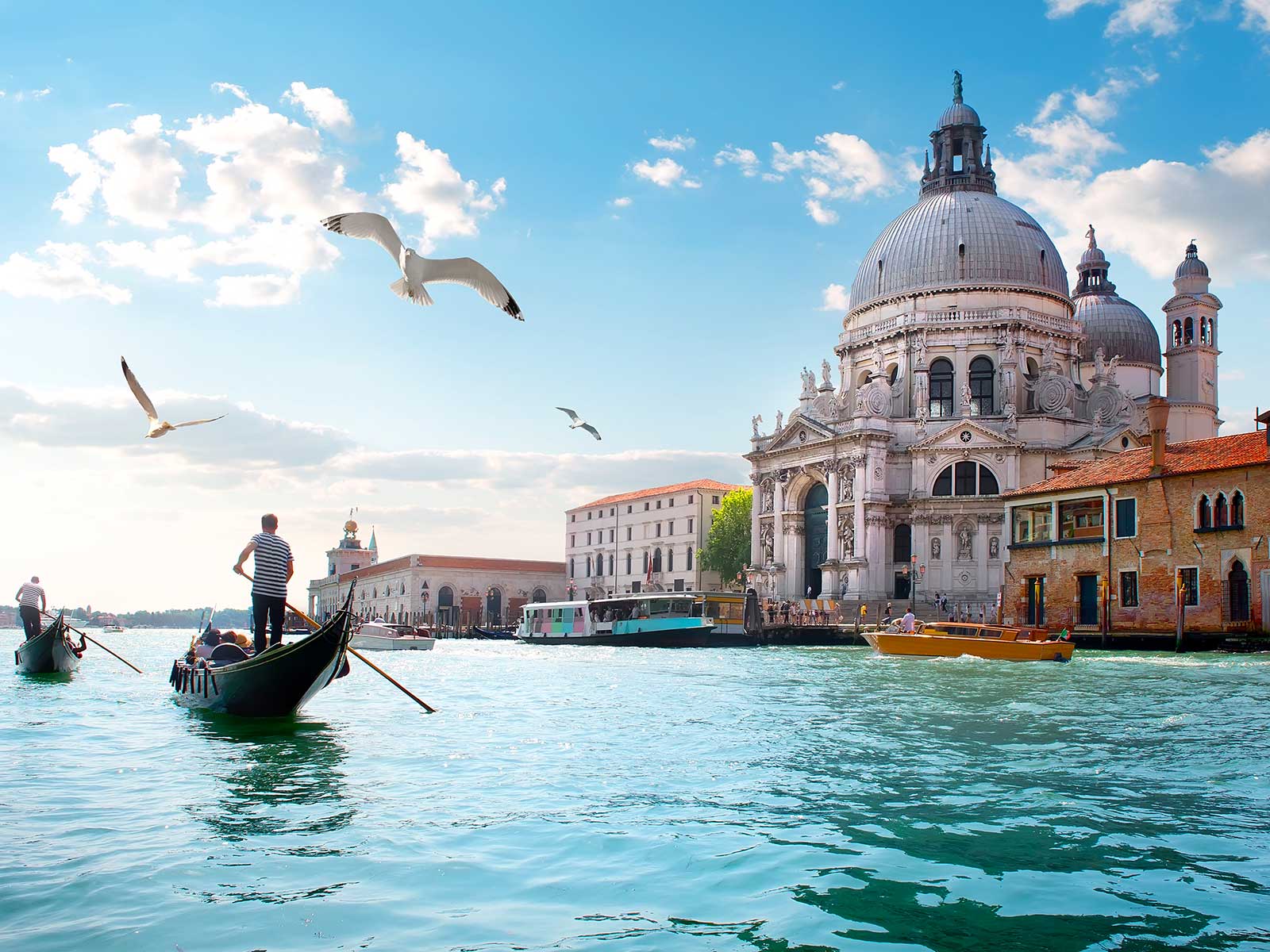
However, urban driving in Italy's major cities can be a daunting experience. Narrow streets, heavy traffic, and the notorious ZTLs (Zona a Traffico Limitato – Limited Traffic Zones) can quickly turn a leisurely drive into a stressful ordeal. Cities like Venice, with its car-free canals, and Cinque Terre, with its restricted vehicle access and challenging parking, are best explored using public transport or on foot. Parking can also be expensive and scarce in many popular areas.
Ultimately, a rental car shines for exploring rural Italy, connecting smaller towns, and enjoying the journey between destinations. For city-hopping, train travel is often more efficient and less stressful.
Essential Rules for Driving in Italy
Required Documents
To legally drive in Italy, you'll need more than just your home country's driver's license. Always carry:
- International Driving Permit (IDP):This is a translation of your driver's license and is legally required for non-EU citizens. Obtain it in your home country before you travel.
- Your valid national driver's license.
- Passport or valid ID.
- Vehicle registration and insurance documents:Provided by your rental company.
Speed Limits
Speed limits are strictly enforced, often by automated cameras (autovelox). Pay close attention to signage:
- Urban areas:Typically 50 km/h (31 mph)
- Minor roads outside urban areas:90 km/h (56 mph)
- Major roads outside urban areas:110 km/h (68 mph)
- Autostrade (motorways):130 km/h (81 mph)
Rain or poor visibility can reduce these limits, so always observe posted signs.
ZTLs (Zona a Traffico Limitato)
Perhaps the most common source of fines for tourists, ZTLs are designated areas in historic city centers where vehicle access is restricted or prohibited during certain hours. These zones are monitored by cameras, and unauthorized entry results in a hefty fine. Signs clearly mark ZTL entry points, often with a red circle on a white background. If your hotel is within a ZTL, contact them in advance; they may be able to register your license plate for temporary access.
Travel Tip:Never assume you can drive into a historic city center in Italy. Always look for ZTL signs and consider parking outside the zone and walking or using public transport.
Road Signs & Markings
Familiarize yourself with common Italian road signs, many of which are similar to international standards. Pay particular attention to parking lines:
- Blue lines:Paid parking. Look for nearby meters (parcometro) or tobacco shops (tabaccheria) to purchase tickets.
- White lines:Free parking (often scarce).
- Yellow lines:Restricted parking (e.g., for disabled drivers, residents, or loading zones). Avoid these to prevent towing or fines.
Toll Roads (Autostrade)
Italy's excellent motorway network (Autostrade) is largely tolled. At the entrance, take a ticket from the machine. At the exit, insert your ticket into the machine and pay using cash, credit/debit card, or the Telepass lane (avoid this unless your rental car has one, as it's for subscribers only).
Fueling Up
Fuel stations are common. Key terms to know:
- Benzina: Gasoline (petrol)
- Diesel: Diesel
- GPL: LPG (Liquefied Petroleum Gas)
Many stations offer both self-service (fai da te) and full-service (servito) options, with full-service usually being slightly more expensive. Outside of major cities and daytime hours, self-service pumps are often the only option and may require exact cash or a card that works with European systems.
Practical Tips for Driving in Italy
Car Rental Considerations
- Book in Advance:Especially during peak season, booking your rental car well ahead of time can secure better rates and availability.
- Manual vs. Automatic:Manual transmission cars are far more common and generally cheaper. If you only drive automatic, be sure to specify this when booking, and expect to pay a premium.
- Insurance:Understand your rental car insurance coverage. Standard Collision Damage Waiver (CDW) usually has a high excess (deductible). Consider purchasing additional zero-excess insurance for peace of mind.
- Size Matters:A smaller car is often easier to maneuver on narrow Italian streets and to park.
- Inspect Thoroughly:Before driving away, take photos or videos of any existing damage to the vehicle to avoid being charged for pre-existing issues upon return.
Navigation
A reliable GPS is essential. Google Maps and Waze are popular choices, offering real-time traffic updates. Download offline maps before you travel, especially if venturing into rural areas with spotty cell service. Be aware that GPS systems may not always account for ZTLs, so always look for physical signage.
Parking
In addition to understanding colored lines, consider using underground parking garages (parcheggi sotterranei) in cities like Pisa or Siena. They are safer and often easier than street parking, though they can be expensive. Never park illegally, even for a moment, as fines are swift and costly.
Driving Style & Etiquette
Italian drivers can be assertive. Maintain situational awareness, be prepared for sudden maneuvers, and don't take it personally. Use your turn signals, respect lane markings, and be patient. Horn use (clacson) is generally discouraged in urban areas except for immediate danger, unlike some stereotypes suggest.
Emergency Numbers
In case of an emergency, the universal European emergency number is112for police, ambulance, or fire services.
Where to Drive and Where Not To
Drive:A car is highly recommended for exploring Italy's stunning countryside and smaller towns. Popular regions include:
- Tuscany: Famous for its rolling hills, vineyards, and picturesque towns like Siena and Pisa.
- Dolomites: For breathtaking mountain scenery and hiking trails.
- Puglia: To discover charming coastal towns and unique trulli houses.
- Umbria, Lazio, and other rural regions, offering authentic experiences away from the crowds.
Don't Drive:For major cities and specific coastal areas, a car is often more of a hindrance than a help:
- Venice: Entirely car-free. Park at Piazzale Roma or Tronchetto and proceed by Vaporetto (water bus) or on foot.
- Cinque Terre: Roads are narrow, parking is extremely limited and expensive, and villages are best accessed by train or ferry.
- Large Historic City Centers: Florence, Rome, Milan, and Naples have extensive ZTLs. It's often best to park outside the center and use public transport.
Driving in Italy can be an incredibly rewarding experience, offering unparalleled freedom to discover hidden gems and stunning landscapes. By understanding the rules, preparing for the challenges, and choosing your destinations wisely, you can ensure a memorable and stress-free Italian road trip.