
Driving in Italy: Essential Tips for Tourists (Rules & Regulations)
Embarking on a road trip through Italy offers unparalleled freedom to explore stunning landscapes, charming villages, and historic cities at your own pace. While the allure of the open road is strong, navigating Italian rules and regulations requires preparation to ensure a smooth and enjoyable journey. This comprehensive guide provides essential tips for tourists planning to drive in Italy, covering everything from necessary documents to unique road customs.
Is Driving in Italy Right for Your Trip?
Before you even consider renting a car, it's worth assessing if driving is the best option for your Italian adventure. Driving offers incredible flexibility, allowing you to discover hidden gems in regions like Tuscany, or reach remote destinations such as the thermal baths of Saturnia and the picturesque village of Montemerano. However, it can be challenging in densely populated areas.
- Pros:Freedom to explore rural areas, flexibility with itineraries, access to less-traveled spots, scenic drives.
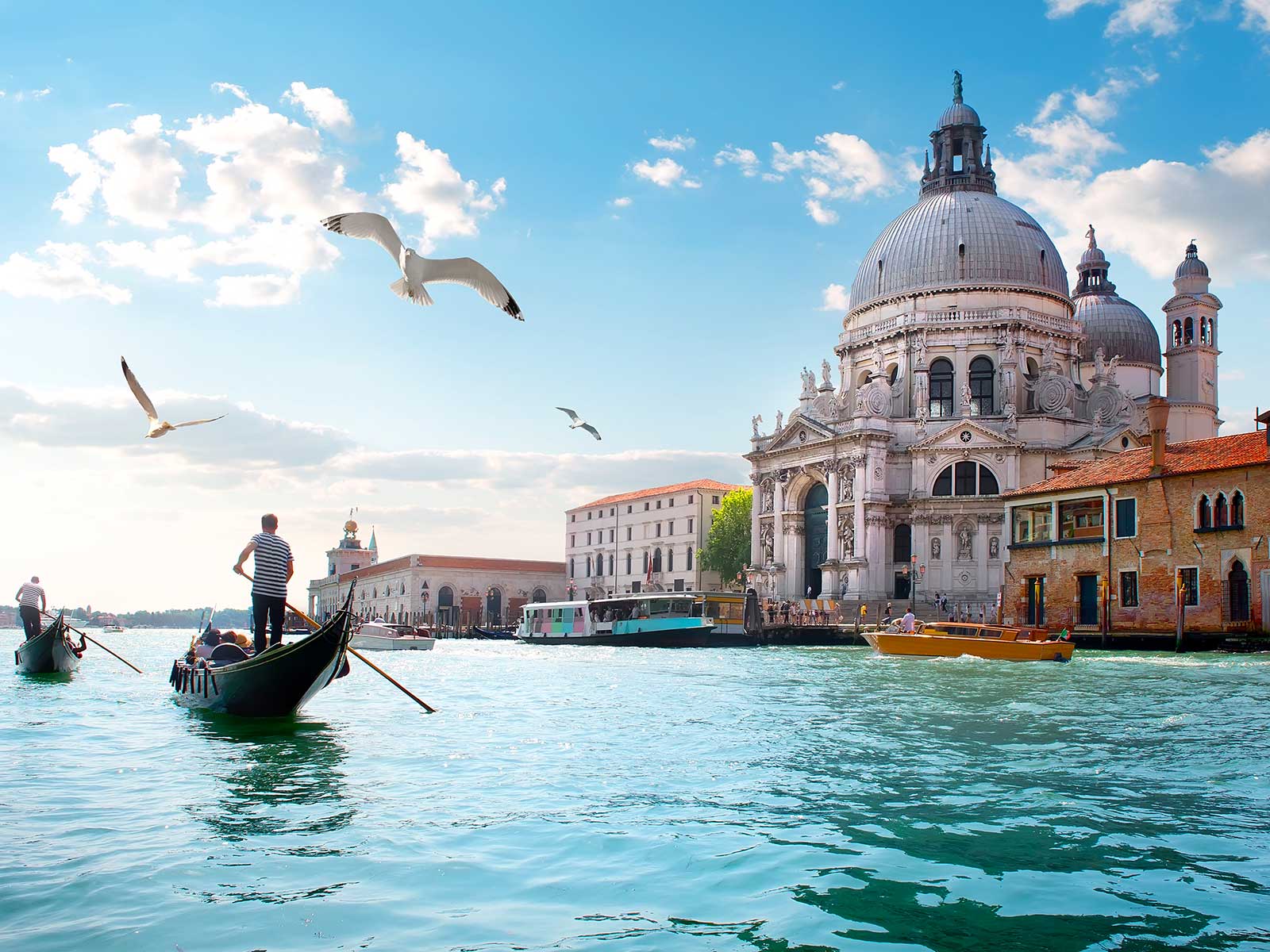
- Cons:Can be stressful in major cities, parking challenges, complex ZTL rules, high tolls, and aggressive local driving styles. For cities like Venice, driving into the historic center is impossible, requiring parking outside. Similarly, places like Cinque Terre are best explored by train or boat due to limited road access and parking.
Before You Go: Essential Preparations
Proper preparation is key to a stress-free driving experience in Italy.
International Driving Permit (IDP)
This is non-negotiable for non-EU citizens. While your home country's driver's license might be accepted by rental agencies, Italian law requires an International Driving Permit (IDP) alongside it. The IDP is essentially a translation of your license and is easily obtainable through your local automobile association before you travel.
Car Rental Essentials
- Age Requirements:Most rental companies require drivers to be at least 21 years old, and some charge a "young driver fee" for those under 25.
- Credit Card:A major credit card in the primary driver's name is essential for the security deposit.
- Insurance:Basic third-party liability insurance is mandatory. Consider additional coverage like Collision Damage Waiver (CDW) or Super CDW for peace of mind, as Italian roads can be narrow and parking dents are common.
- Booking in Advance:Especially during peak season, book your rental car well in advance to secure better rates and availability. Opt for a smaller car if you plan to navigate narrow city streets or country roads.
Documents to Carry
Always keep these documents with you while driving:
- Your valid home country driver's license
- Your International Driving Permit (IDP)
- Your passport or ID card
- Car rental agreement
- Proof of insurance
Italian Road Rules & Regulations
Driving Side & Overtaking
Italians drive on theright-hand side of the road. Overtaking is done on the left. On multi-lane highways (Autostrade), the left lane is strictly for overtaking.
Speed Limits
Always pay attention to posted signs, as limits can vary. General guidelines are:
- Urban areas:50 km/h (31 mph)
- Minor roads (outside urban areas):90 km/h (56 mph)
- Major roads (superstrade):110 km/h (68 mph)
- Motorways (Autostrade):130 km/h (81 mph)
Speed cameras are common and often unmarked. Exceeding the limit can result in significant fines.
Seatbelts & Child Seats
Seatbelts are mandatory for all occupants, front and rear. Children under 12 years old or under 150 cm (4'11") tall must use an appropriate child restraint system suitable for their size and weight.
Mobile Phones
Using a handheld mobile phone while driving is strictly prohibited. Hands-free systems are permitted.
Alcohol Limits
The legal blood alcohol content (BAC) limit is 0.05%. For new drivers (less than 3 years of experience) and professional drivers, the limit is 0.00%. Penalties for driving under the influence are severe.
Headlights
Low-beam headlights are mandatory at all times, even during the day, on highways (Autostrade) and major roads (superstrade) outside urban areas.
Emergency Equipment
By law, all vehicles must carry a reflective warning triangle and a high-visibility reflective vest. These are usually provided by rental companies. In case of a breakdown or accident, you must wear the vest when outside your vehicle on the road.
Navigating Italian Roads: What to Expect
ZTLs (Limited Traffic Zones)
This is perhaps the most crucial rule for tourists to understand. Many Italian towns and cities, including popular destinations like Siena or Pisa, have "Zone a Traffico Limitato" (ZTLs) – restricted traffic zones. These areas are usually historic centers and are monitored by cameras. Only authorized vehicles (residents, public transport, delivery vehicles) can enter during specific hours.
Crucial Tip:Do NOT drive into a ZTL unless you have explicit permission (e.g., your hotel has registered your license plate). Fines are issued automatically by camera and can arrive months later. Look for circular signs with a red border and white center, often accompanied by electronic signs indicating "Varco Attivo" (active access) or "Varco Non Attivo" (access not active).
If your hotel is inside a ZTL, contact them in advance to inquire about access and registration of your vehicle's license plate. Always park outside ZTLs and walk or use public transport to explore city centers.
Tolls (Autostrade)
Italy's motorways (Autostrade) are toll roads. Look for signs with a green background. When entering, take a ticket from the machine. When exiting, pay at the toll booth. Options usually include:
- Cash:Lanes marked with a hand or cash symbol.
- Credit Card:Lanes marked with card symbols.
- Telepass:Yellow lanes for electronic toll collection. Avoid these unless your rental car explicitly comes with a Telepass device.
Keep your toll ticket safe; losing it can result in being charged the maximum possible fare.
Parking
Parking can be challenging, especially in cities. Look for colored lines:
- White lines:Free parking (rare in cities).
- Blue lines:Paid parking. Look for nearby machines to purchase a ticket and display it on your dashboard.
- Yellow lines:Reserved parking (e.g., for disabled drivers, residents). Do not park here.
- Black/Yellow lines:No parking allowed.
Underground car parks are often the safest and most convenient option in urban areas, though they can be expensive.
Roundabouts
Roundabouts are common. Generally, vehicles already in the roundabout have priority, but always double-check local signage.
Road Signs
Most Italian road signs are standard European pictograms, but it's wise to familiarize yourself with some key ones, especially those related to ZTLs, speed limits, and no-parking zones.
Driving Style
Italian drivers can appear aggressive, but they are often predictable. Expect close following, frequent honking (often to signal presence rather than anger), and confident overtaking. Drive defensively, but also assertively, to blend in.
Specific Driving Scenarios
- City Driving:Can be stressful due to narrow streets, one-way systems, ZTLs, and dense traffic. Consider parking outside cities and using public transport.
- Country Driving:Offers beautiful scenery, especially in regions like Tuscany with its rolling hills and vineyards. Roads can be winding and narrow, so drive cautiously.
- Mountain Driving:Expect steep inclines, sharp bends, and potentially adverse weather conditions. Ensure your vehicle is suitable for mountain roads.
What to Do in Case of an Emergency
Knowing what to do in an emergency can save valuable time and reduce stress.
- Breakdown:Pull over safely, put on your reflective vest, place the warning triangle behind your vehicle, and call your rental company's roadside assistance.
- Accident:Ensure everyone's safety first. If minor, exchange details. If serious, call emergency services. Do not move your vehicle unless necessary for safety.
- Emergency Numbers:
- 112:Pan-European emergency number (Police, Ambulance, Fire)
- 113:State Police (Polizia di Stato)
- 118:Medical Emergency (Ambulance)
Final Tips for a Smooth Journey
- GPS is Your Friend:A reliable GPS system (either built-in, a dedicated device, or a smartphone app like Google Maps or Waze) is invaluable. Download offline maps in case of patchy signal.
- Patience is Key:Italian driving can be an experience in itself. Stay calm, be patient, and enjoy the journey.
- Embrace the Scenery:Driving through Italy is about the journey as much as the destination. Take your time, pull over at scenic viewpoints, and soak in the breathtaking landscapes.
With careful planning and an understanding of the local rules, driving in Italy can be an incredibly rewarding way to explore this magnificent country. Buon viaggio!