
Christmas Markets in Italy: A Festive Guide to the Best Markets
Italy, known for its rich history, exquisite cuisine, and stunning landscapes, transforms into a winter wonderland during the holiday season. From the snow-capped Dolomites to the bustling piazzas of its historic cities, Christmas markets offer a unique blend of traditional charm and Italian flair, promising an unforgettable festive experience.
The Alpine Charm: Northern Italy's Christmas Markets
Northern Italy, particularly the autonomous region of Trentino-Alto Adige/South Tyrol, boasts some of the most authentic and enchanting Christmas markets, heavily influenced by its Austrian and German heritage. Here, the aroma of mulled wine and gingerbread fills the crisp mountain air, against a backdrop of stunning Alpine scenery.
Bolzano (Bozen)
Often considered the capital of South Tyrol and home to Italy's largest Christmas market,Bolzano's"Christkindlmarkt" takes over Piazza Walther. Wooden chalets overflow with artisanal crafts, traditional decorations, and local delicacies like strudel, apple fritters, and a warming cup ofGlühwein. The market typically runs from late November through early January, offering a truly magical atmosphere.
Merano (Meran)
Nestled amidst vineyards and snow-capped peaks,Merano'smarket along the Passer River promenade is renowned for its idyllic setting and relaxing spa town ambiance. Beyond the festive stalls, visitors can enjoy ice skating, live music, and the beautiful thermal baths. It's an ideal destination for those seeking a blend of festive cheer and relaxation.
Trento
Set against the majestic backdrop of the Castello del Buonconsiglio,Trento'smarket in Piazza Fiera and Piazza Cesare Battisti is a spectacle of lights and tradition. With over 90 exhibitors, it showcases local handicrafts, delicious food, and a strong emphasis on sustainability. Don't miss the opportunity to sample local cheeses, cured meats, and the region's famous sparkling wines.
Bressanone (Brixen)
This charming medieval town hosts its market in front of the magnificent Duomo.Bressanone'smarket is known for its focus on traditional craftsmanship, from woodcarvings to hand-knitted wool products. Each year, it also features a spectacular light and music show projected onto the cathedral facade, creating an unforgettable experience.
Brunico (Bruneck)
Located in the heart of the Puster Valley,Brunico'smarket transforms the medieval town into a fairytale setting. It's smaller and more intimate than some of its counterparts, offering a cozy atmosphere where visitors can discover unique local products and enjoy the hospitality of the Dolomites.
Beyond the Alps: Central & Southern Italy's Festive Offerings
While the Alpine regions excel in traditional markets, Italy's central and southern cities offer their own distinct festive experiences, often blending classic Christmas traditions with regional customs.
Rome: Piazza Navona
The Eternal City celebrates Christmas with a festive market in the iconic Piazza Navona. While it has evolved over the years, it remains a lively hub for holiday shopping, with stalls selling toys, sweets, nativity scene figures (presepi), and traditional Italian treats. The carousel and street performers add to the joyful atmosphere.
"In Italy, the Christmas market season often begins in late November and continues until Epiphany on January 6th, marking the arrival of La Befana."
Florence: Piazza Santa Croce
The Tuscan capital hosts its main Christmas market, often called the "Weihnachtsmarkt," in Piazza Santa Croce, right in front of the magnificent Basilica. This market has a strong German influence, featuring stalls selling German specialities like pretzels, bratwurst, and beer, alongside Tuscan crafts and delicacies. It's a fantastic place to find unique gifts and enjoy a taste of international festive cheer in the heart of Tuscany.
Other towns in Tuscany, such as Siena and Pisa, also host smaller, charming markets, often focusing on local produce and artisanal goods.
Venice: Campo Santo Stefano
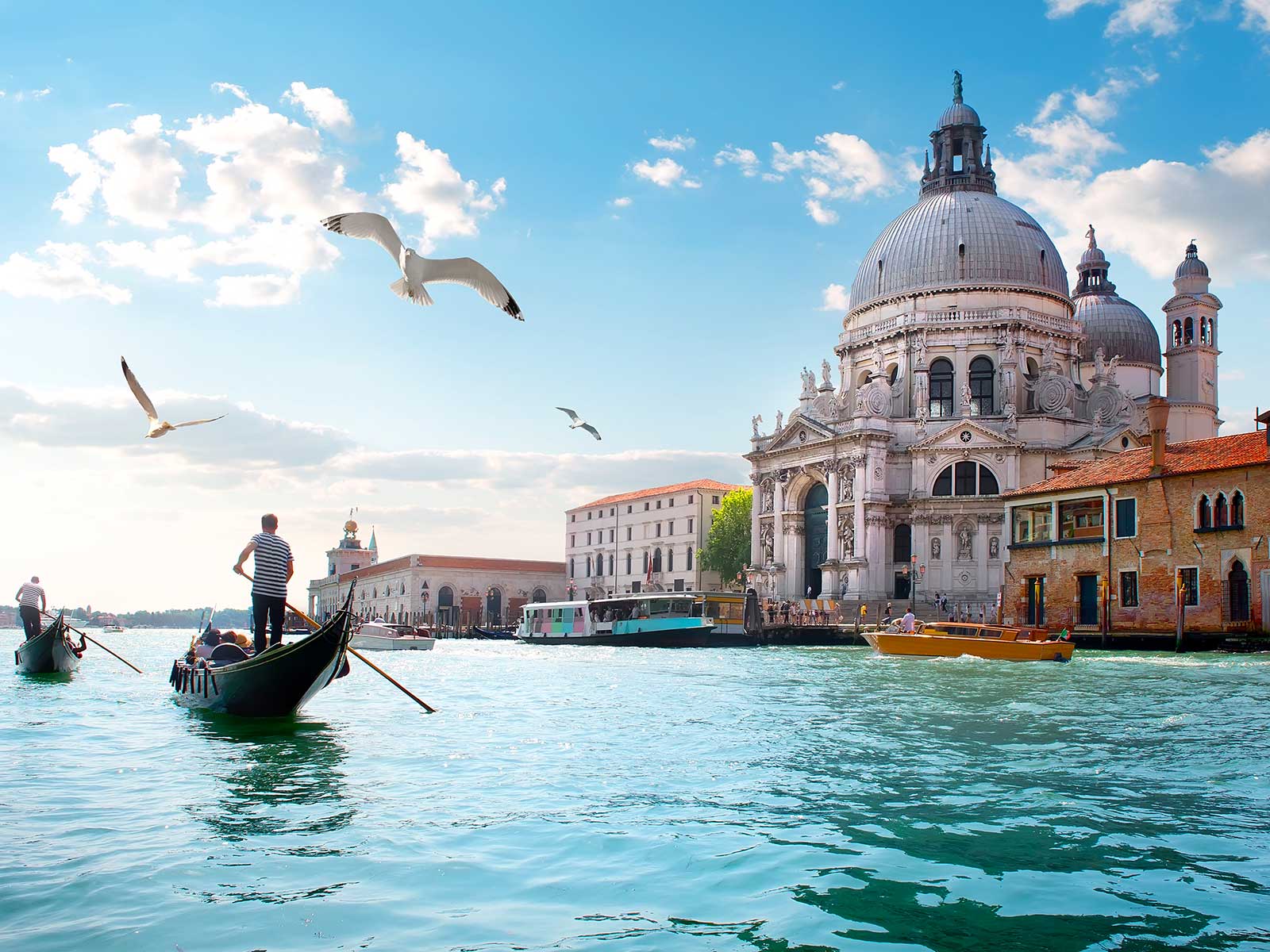
Even the floating city embraces the festive spirit. The main market in Venice is typically held in Campo Santo Stefano, near the Ponte dell'Accademia. Here, you'll find Venetian artisans showcasing Murano glass, Carnival masks, and other local crafts. The festive lights reflecting on the canals create a truly magical, romantic setting. Smaller markets and events can also be found in areas like Mestre (on the mainland) and other sestieri.
Naples: Via San Gregorio Armeno
Naples offers a unique Christmas experience centered around its renowned Nativity scene tradition. Via San Gregorio Armeno is famous year-round for its artisan workshops dedicated to crafting intricatepresepi(nativity scenes) and figurines. During Christmas, the entire street transforms into a bustling, vibrant market where you can find everything from traditional biblical figures to satirical caricatures of modern celebrities. It’s a truly Neapolitan festive spectacle.
Arezzo: Piazza Grande
In Tuscany, the city of Arezzo hosts a highly popular "Tyrolean Christmas Market" in its stunning Piazza Grande, renowned for its medieval architecture. This market brings the authentic atmosphere of the South Tyrolean markets to central Italy, complete with wooden chalets, Tyrolean food, and handcrafted gifts, making it a standout experience outside the northern regions.
What to Expect at an Italian Christmas Market
Regardless of the region, Italian Christmas markets share common threads that make them so appealing.
Artisanal Crafts and Gifts
From hand-carved wooden toys and intricate glass ornaments to bespoke jewelry and traditional ceramics, these markets are treasure troves for unique, handcrafted gifts. You'll often find locally made clothing, leather goods, and regional souvenirs.
Festive Food and Drink
Food is a central part of the Italian Christmas market experience. Expect to indulge in:
- Vin Brulé(Mulled Wine):A fragrant, spiced red wine, perfect for warming up.
- Sweet Treats:Strudel, apple fritters, panettone, torrone (nougat), and various regional biscuits.
- Savory Delights:Roasted chestnuts (caldarroste), local cheeses, cured meats (especially in the north), potato pancakes (Kartoffelpuffer), and regional street food.
Atmosphere and Entertainment
Beyond shopping and eating, the markets offer a vibrant atmosphere with festive lights, decorations, and often live music, carol singing, and entertainment for children. Many markets feature carousels, ice rinks, and visits from Santa Claus (orBabbo Natale, as he's known in Italy).
Tips for Visiting Italian Christmas Markets
To make the most of your festive trip, consider these practical tips.
- Timing is Key:Most markets open in late November and run until December 24th, with some extending to early January. Weekdays are generally less crowded than weekends.
- Dress Warmly:Especially in the northern regions, temperatures can be quite low. Layering is advisable, along with hats, gloves, and comfortable walking shoes.
- Go Cashless (Mostly):While many vendors accept card payments, it's always a good idea to carry some small notes for smaller purchases or independent artisans.
- Embrace Local Transport:Many cities have excellent public transport networks. Consider using trains or buses to navigate between markets, especially in Trentino-Alto Adige.
- Book Accommodation in Advance:December is a popular time for travel, so hotels and B&Bs can fill up quickly, especially in popular market towns.
- Savor the Flavors:Don't rush through the food stalls. Take your time to sample the regional specialties and enjoy a warm drink.
Conclusion
Italy's Christmas markets offer a captivating blend of tradition, craftsmanship, and culinary delights. Whether you're drawn to the Germanic charm of the Alpine regions or the unique cultural experiences of central and southern Italy, a festive journey through these markets promises to fill your holiday season with warmth, wonder, and unforgettable memories.