
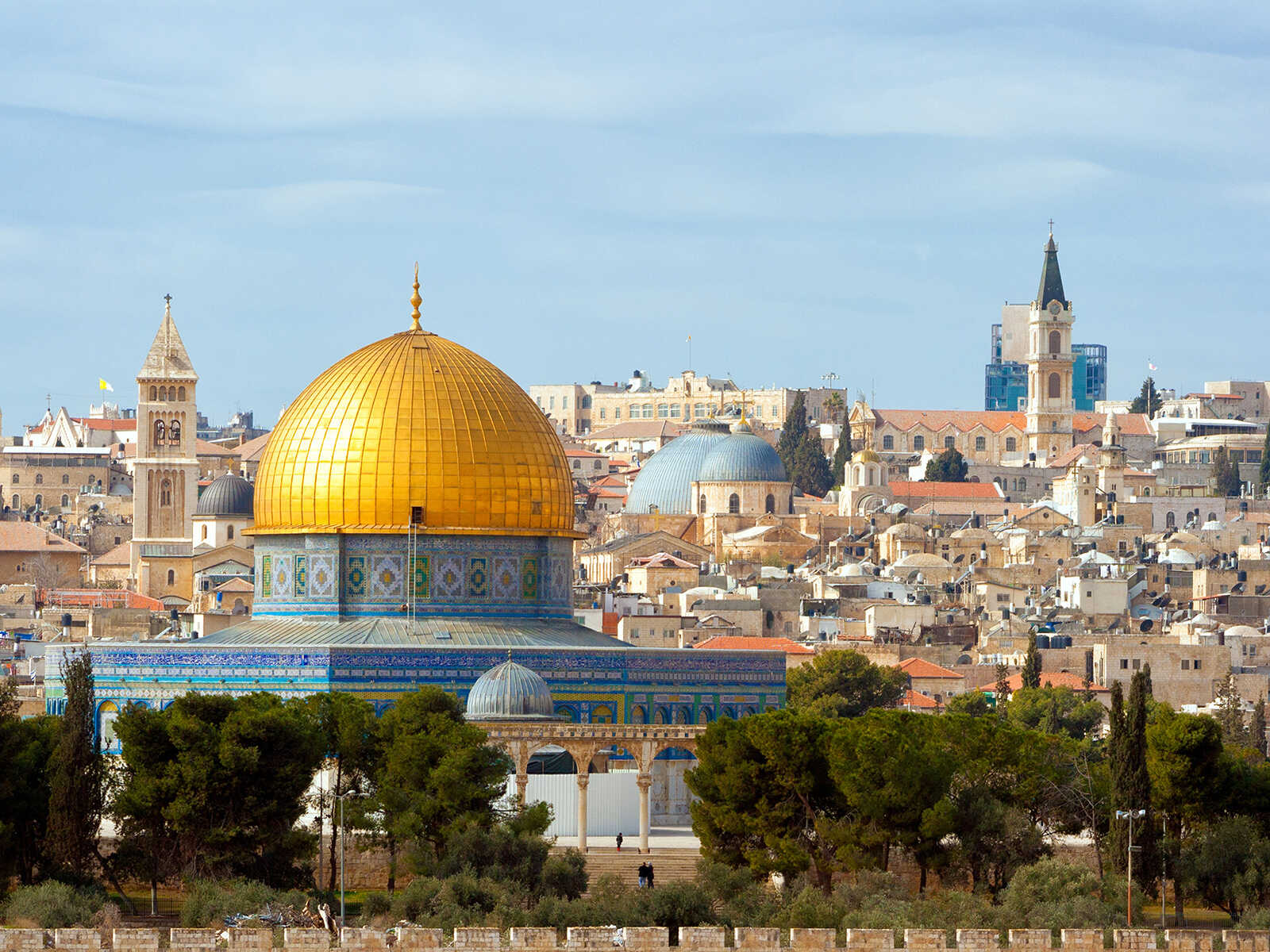
Israeli Culture and Customs: What Travelers Need to Know
Embarking on a journey to Israel promises an unforgettable experience, rich in history, spirituality, and vibrant modernity. To truly appreciate this remarkable country and connect with its people, understanding Israeli culture and customs is key. This guide offers practical insights to help you navigate and embrace the unique tapestry of life in the Holy Land.
A Tapestry of Traditions: Understanding Israeli Society
Israel is a melting pot, a dynamic blend of ancient traditions and cutting-edge innovation. Its population is incredibly diverse, encompassing various Jewish communities (Ashkenazi, Sephardic, Mizrahi), Arab Muslims and Christians, Druze, Bedouin, and many other groups, each contributing to the nation's rich cultural fabric. Family and community are paramount, fostering a strong sense of belonging and mutual support.
The term "Sabra" refers to a native-born Israeli, often characterized by a tough exterior but a sweet interior, much like the prickly pear cactus. This resilience and warmth are hallmarks of the Israeli spirit.
Shabbat: The Day of Rest
Shabbat, the Jewish Sabbath, is observed from Friday sunset until Saturday sunset and is a fundamental aspect of Israeli life. During this period, many businesses close, public transportation (buses and trains) largely ceases, and a general sense of calm descends upon the country, especially in more religious areas.
- Planning Ahead:If you're traveling during Shabbat, plan your movements and meals carefully. Stock up on essentials, arrange private transportation, or be prepared to walk.
- Dining:Many restaurants, particularly in secular cities like Tel Aviv-Yafo, remain open. Hotels typically offer Shabbat-friendly meal options.
- Observance:Be mindful of those observing Shabbat. Avoid loud noises, driving, or overtly commercial activities in religious neighborhoods.
Kashrut: Dietary Laws
Kashrut, the set of Jewish dietary laws, dictates what foods can be eaten and how they must be prepared. While not everyone in Israel keeps kosher, the principles of kashrut are widely integrated into daily life, especially in public establishments.
Key aspects include:
- Separation of Meat and Dairy:Kosher establishments will not serve meat and dairy products together. Restaurants are typically designated as either "milky" (dairy) or "fleishig" (meat).
- Pork and Shellfish:These are not kosher and are generally not found in kosher restaurants, though they can be found in some non-kosher eateries, particularly in Tel Aviv-Yafo and Arab communities.
- Availability:Most supermarkets and many restaurants throughout Israel are kosher-certified, making it easy to find suitable food options regardless of your own dietary preferences.
Greetings and Social Etiquette
Israelis are generally warm and hospitable. A simple "Shalom" (hello/peace) or "Boker Tov" (good morning) goes a long way. Handshakes are common, and direct eye contact is appreciated as a sign of sincerity.
Hospitality:Known asHachnasat Orchim, hospitality is deeply ingrained. If invited into someone's home, it's customary to bring a small gift, like flowers or a sweet treat.
Dress Code:While modern and casual attire is common in cities like Tel Aviv-Yafo or Eilat, modesty is important, particularly when visiting religious sites, historical landmarks like Masada National Park, or more traditional neighborhoods. For both men and women, it's advisable to cover shoulders and knees. Women may also be asked to cover their heads in certain holy places, such as parts of the Old City in Jerusalem or synagogues.
Navigating Religious Sites
Israel is home to countless holy sites sacred to Judaism, Christianity, and Islam. Respectful behavior is paramount when visiting these places.
- Dress Modestly:Always ensure shoulders and knees are covered. Carry a scarf or shawl for women to cover their heads if required.
- Be Quiet and Respectful:Maintain a low voice, turn off your phone, and be mindful of ongoing prayers or ceremonies.
- Follow Instructions:Heed any signs or instructions from site custodians regarding photography, access to certain areas, or specific rituals. This applies whether you're at the Western Wall in the Old City, a church near the Sea of Galilee, or the serene Baha'i Gardens in Haifa.
Tip:When visiting a synagogue, men are usually expected to cover their heads with a kippah (skullcap), often provided at the entrance. Women should also dress modestly. In mosques, shoes must be removed before entering, and women should cover their heads.
Israeli Directness and Communication Style
Israelis are known for their direct, often passionate, communication style. What might be perceived as bluntness in some cultures is often seen as honesty and efficiency in Israel. Don't be offended by direct questions or a lack of small talk; it's generally not meant to be rude.
Bargaining:In traditional markets (shuks), particularly in places like Acre or the Old City, bargaining is common and expected. It's part of the cultural experience and can be a fun interaction.
Security and Awareness
You'll notice a visible security presence throughout Israel, from airports to bus stations and popular tourist sites. This is a normal part of life and is there to ensure everyone's safety. Cooperate fully with security personnel and checks, and don't be alarmed by their presence.
Public Transportation and Getting Around
Israel has an efficient public transportation system, including buses, trains, and shared taxis (sheruts). However, remember the impact of Shabbat, when services are significantly reduced or halted. Planning is crucial for weekend travel.
- Sheruts:These shared taxis operate on fixed routes, often mirroring bus lines, and continue to run on Shabbat. They're a great way to get around cities and between major hubs.
- Car Rental:Renting a car offers flexibility, especially for exploring regions like the Golan Heights, the Dead Sea area, or the Ramon Crater.
Beyond the Basics: Unique Aspects
- Café Culture:Coffee shops are social hubs in Israel, bustling with conversation from morning till late. Embrace the opportunity to relax and people-watch, particularly in vibrant cities like Tel Aviv-Yafo.
- "Balagan":Literally meaning "mess" or "chaos," this term is often used with a sense of affection to describe the sometimes-unpredictable, yet often charming, organized chaos of Israeli life.
- Military Service:Compulsory military service for most Israelis creates a shared experience that significantly shapes national identity and camaraderie.
- Innovation:Israel is renowned as the "Start-up Nation," a hub of technological innovation and entrepreneurial spirit.
Enjoying Your Trip
An open mind and a willingness to engage are your best companions for exploring Israel. Don't be afraid to ask questions, try new foods, or strike up conversations. Learning a few basic Hebrew phrases like "Todah" (thank you) or "Slicha" (excuse me/sorry) will be greatly appreciated and enhance your interactions.
From the ancient stones of Caesarea National Park to the modern art at The Israel Museum, Israel offers a journey through millennia of human history and a vibrant contemporary culture. By understanding and respecting its customs, you'll ensure a deeper, more meaningful, and truly unforgettable adventure.