
Exploring Biblical Israel: A Journey Through Sacred Sites
Embark on an extraordinary journey through the land where ancient stories come to life. Israel offers a profound connection to history and faith, allowing visitors to walk in the footsteps of prophets, kings, and spiritual figures. This guide will help you navigate the sacred landscapes that have shaped Western civilization.
The Enduring Significance of Biblical Israel
For millennia, Israel has stood as a beacon for pilgrims and historians alike. It is the crucible where Judaism and Christianity were born, and a land revered by Islam. A journey here is not merely a sightseeing trip; it's an immersive experience that deepens understanding of biblical narratives, historical events, and the enduring human quest for meaning.
Jerusalem: The Heart of Three Faiths
No exploration of Biblical Israel is complete without spending significant time in Jerusalem, a city revered as holy by Jews, Christians, and Muslims. Its ancient stones whisper tales of prophets and kings, miracles and conflicts.
The Old City: A Labyrinth of History
Within the walls of the Old City, layers of history unfold in a mesmerizing tapestry. Divided into four quarters – Jewish, Christian, Armenian, and Muslim – it offers an unparalleled density of sacred sites.
- Western Wall (Kotel):The holiest site in Judaism, a remnant of the Second Temple complex. Visitors can place prayers in the cracks of the ancient stones.
- Church of the Holy Sepulchre:Revered by Christians as the site of Jesus' crucifixion, burial, and resurrection. Its labyrinthine interior houses numerous chapels and shrines.
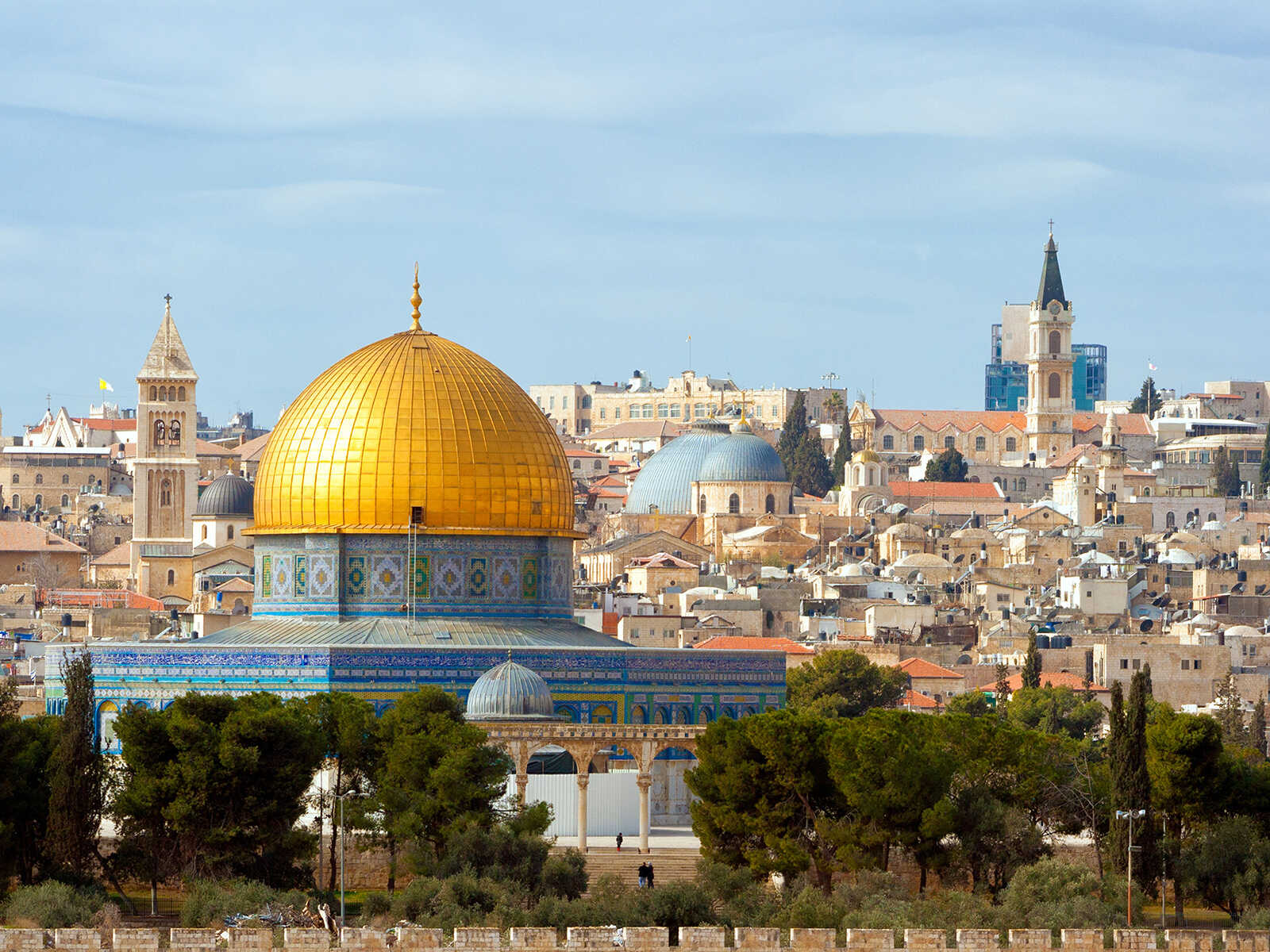
- Dome of the Rock and Al-Aqsa Mosque:Dominating the Temple Mount (Haram al-Sharif), these Islamic holy sites are breathtaking architectural marvels. Access to the Dome of the Rock interior is generally restricted to Muslims, but the complex itself is an essential view.
- Via Dolorosa:The "Way of Sorrows," traditionally the path Jesus took to his crucifixion, marked by 14 Stations of the Cross.
Beyond the Old City Walls
Just outside the Old City, other significant sites beckon:
- Mt Zion:Home to King David's Tomb, the Room of the Last Supper (Cenacle), and the Dormition Abbey, marking where Mary is believed to have fallen into eternal sleep.
- Garden of Gethsemane:At the foot of the Mount of Olives, this ancient olive grove is where Jesus prayed before his arrest.
- Yad Vashem:While not a biblical site, Israel's official memorial to the victims of the Holocaust offers a profound and necessary reflection on human history and resilience. It serves as a modern testament to the enduring spirit of the Jewish people.
- The Israel Museum:Houses the Shrine of the Book, home to the Dead Sea Scrolls, and a vast collection of artifacts that illuminate biblical times.
Travel Tip:When visiting holy sites in Jerusalem, especially the Old City, be prepared for security checks and dress modestly. Shoulders and knees should be covered as a sign of respect.
The Galilee: Echoes of Jesus' Ministry
North of Jerusalem lies the tranquil region of Galilee, the backdrop for much of Jesus' public ministry. The lush landscapes and the serene Sea of Galilee offer a stark yet beautiful contrast to the intensity of Jerusalem.
- Sea of Galilee(Lake Kinneret):Many biblical events took place on or around this freshwater lake, including Jesus walking on water and calming the storm. Boat rides offer a unique perspective.
- Capernaum:Known as "Jesus' own town," archaeological excavations reveal a 4th-century synagogue built over the synagogue where Jesus taught, and the house of Peter.
- Tabgha:The traditional site of the multiplication of loaves and fishes, marked by the Church of the Multiplication.
- Mount of Beatitudes:Overlooking the Sea of Galilee, this hill is traditionally where Jesus delivered the Sermon on the Mount.
- Nazareth:The childhood home of Jesus, featuring the Basilica of the Annunciation.
The Judean Desert & Dead Sea Region: Wilderness and Revelation
Southeast of Jerusalem, the dramatic landscapes of the Judean Desert roll down to the lowest point on Earth, the Dead Sea. This region is rich with biblical narratives of wilderness, refuge, and ancient communities.
- Qumran:Site where the Dead Sea Scrolls were discovered in nearby caves, offering unparalleled insight into Second Temple Judaism.
- Ein Gedi Reserve:An oasis where David sought refuge from King Saul, featuring waterfalls and abundant wildlife amidst the desert.
- Masada National Park:A UNESCO World Heritage site, this ancient fortress atop a plateau tells the dramatic story of Jewish zealots in revolt against the Romans. While not directly biblical in the Old/New Testament sense, its historical significance to the Jewish people is immense.
- Dead Sea:Experience floating effortlessly in the hypersaline waters, a unique natural phenomenon mentioned in biblical texts as the "Salt Sea."
The Coastal Plain: Roman Connections and Early Christianity
The Mediterranean coast also holds significant biblical and historical sites, particularly related to the Roman period and the early spread of Christianity.
- Caesarea National Park:Once a grand Roman city and a major port, Caesarea was the seat of Roman governors like Pontius Pilate and where Peter baptized Cornelius, the first Gentile convert. Paul was imprisoned here before being sent to Rome.
- Jaffa (Tel Aviv-Yafo):The ancient port city of Jaffa, now part of Tel Aviv-Yafo, is where Jonah set sail before his encounter with the whale and where Peter had his vision of clean and unclean animals.
Beyond Israel's Borders: Bethlehem
While often part of tours from Jerusalem, it's important to note that Bethlehem, the birthplace of Jesus, is located in the Palestinian territories. A visit typically involves crossing a checkpoint, and tour arrangements often differ from those within Israel proper. The Church of the Nativity stands as its central attraction.
Planning Your Biblical Journey
To make the most of your trip:
- Guided Tours:Consider joining a specialized biblical tour for expert insights and seamless logistics, especially for navigating different regions and historical contexts.
- Independent Travel:Renting a car offers flexibility, but be aware of driving conditions and local customs. Public transport is available but less direct for some remote sites.
- Best Time to Visit:Spring (April-May) and Autumn (September-October) offer pleasant weather. Summers can be very hot, especially in the Judean Desert and Galilee.
- Dress Code:Always carry a scarf or light jacket to cover shoulders and knees when entering religious sites.
- Stay Hydrated:Especially important when exploring desert sites or during warmer months.
Exploring Biblical Israel is an unforgettable experience, offering a tangible connection to the narratives that have shaped billions. From the bustling streets of Jerusalem to the serene shores of the Sea of Galilee, each site offers a unique window into a profound and sacred past. Prepare to be moved, inspired, and deeply connected to a history that continues to resonate today.