
Caesarea National Park: Roman Ruins on the Mediterranean Coast
Discover the grandeur of ancient Rome on Israel's stunning Mediterranean shore at Caesarea National Park. This remarkable archaeological site, once a bustling port city built by Herod the Great, offers a captivating journey through millennia of history, from Roman splendor to Crusader fortifications. Stroll through magnificent ruins, gaze at the azure sea, and immerse yourself in a bygone era.
Caesarea Maritima, as it was known in antiquity, stands as a testament to ambitious engineering and strategic importance. Its dramatic coastal setting and layered history make it one of Israel's most compelling archaeological destinations, inviting visitors to walk in the footsteps of emperors, gladiators, and crusaders.
A City Born of Herod the Great
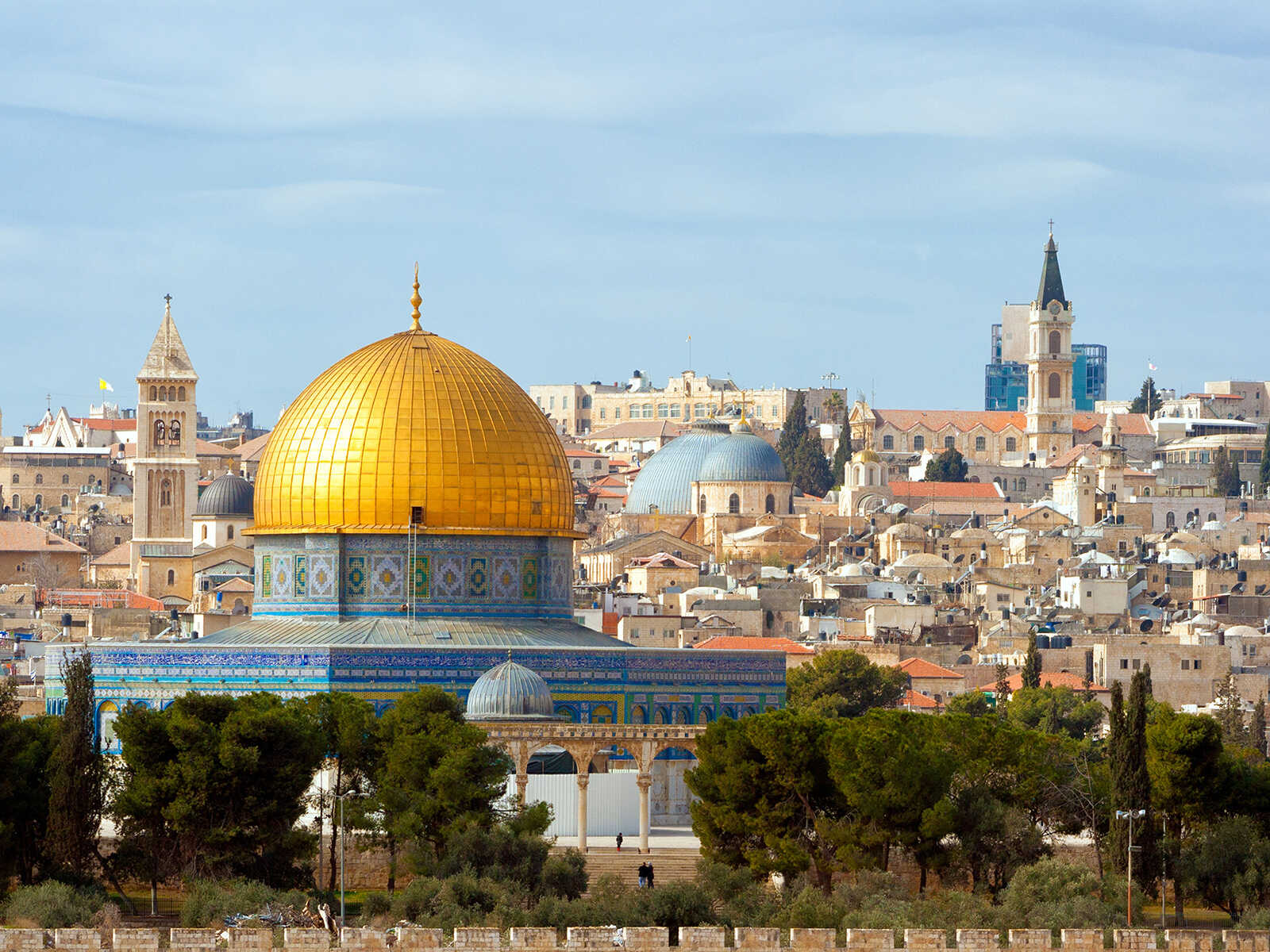
The story of Caesarea begins with Herod the Great, the Roman client king of Judea, who reigned from 37 to 4 BCE. Known for his ambitious building projects across the kingdom, including the renovation of the Second Temple in Jerusalem's Old City and the fortress palace of Masada National Park, Herod envisioned Caesarea as a grand port city that would honor his Roman patrons and serve as a gateway to the Roman world.
Between 22 and 10 BCE, Herod transformed a small Phoenician port into a magnificent urban center, naming it Caesarea in honor of Caesar Augustus. The crown jewel of this endeavor was the construction of the artificial deep-water harbor,Sebastos, an engineering marvel of its time. Using innovative hydraulic concrete, Herod's engineers created a breakwater that extended into the sea, making Caesarea one of the largest and most advanced ports in the eastern Mediterranean.
Caesarea quickly became the administrative capital of the Roman province of Judea, a role it maintained for centuries. It was a cosmopolitan hub, boasting temples, an amphitheater, a hippodrome, bathhouses, and a sophisticated aqueduct system, all reflecting the height of Roman architectural and urban planning prowess.
Key Attractions at Caesarea National Park
Today, Caesarea National Park meticulously preserves and presents these historical layers, offering visitors a rich tapestry of ancient life.
The Roman Theatre
One of the best-preserved structures, Herod's Roman Theatre, originally seated around 4,000 spectators. Its classic semi-circular design faces the sea, providing a dramatic backdrop for performances. Remarkably, this ancient venue is still in use today, hosting concerts and cultural events, allowing visitors to experience its acoustics and atmosphere as the ancients once did.
The Hippodrome (Chariot Racing Arena)
To the east of the theatre lies the vast Hippodrome, a 300-meter-long oval arena designed for chariot races and gladiatorial contests. With seating for approximately 10,000 spectators, it was a central venue for public entertainment. You can still visualize the thunder of hooves and the roar of the crowd as you walk along its elongated track.
Herod's Palace and Promontory Palace
Perched on a promontory jutting into the sea, the remains of Herod’s lavish palace complex are discernible. This architectural marvel included a freshwater swimming pool surrounded by colonnades, offering breathtaking views of the Mediterranean. It's a prime example of Herod's extravagant taste and his ability to blend luxury with strategic location.
Did you know?A significant archaeological discovery at Caesarea was the "Pilate Stone," an inscription found in the Roman Theatre that provides the only contemporary epigraphic evidence of Pontius Pilate, the Roman prefect of Judea, confirming his historical existence and role.
The Aqueduct
One of Caesarea's most iconic features is its impressive aqueduct, stretching for kilometers along the coast. This engineering feat brought fresh drinking water from springs in the Carmel foothills, approximately 10 kilometers away, into the bustling city. The surviving arches, particularly those visible from the beach, are a testament to Roman ingenuity and provide a stunning photo opportunity, especially at sunset.
The Crusader City
Centuries after Roman rule, Caesarea experienced a resurgence during the Crusader period. The Crusaders built formidable fortifications, including massive walls, gates, and a moat, enclosing a smaller but well-defended city. Exploring these Crusader remains, which share similarities with the impressive walls of Acre further north, provides insight into medieval military architecture and the intense religious conflicts of the era.
Beyond the Ruins: What to Do and See
Caesarea National Park is not just a collection of ruins; it's a vibrant destination that blends ancient history with modern amenities.
- The Port Promenade:The modern port area offers charming shops, art galleries, and a variety of restaurants and cafes where you can enjoy a meal with a view of the ancient harbor.
- Caesarea Harbor Experience:Engage with interactive exhibits and multimedia presentations that bring the history of Caesarea to life, offering virtual reconstructions of the city in its prime.
- Underwater Archaeology Park:For the adventurous, Caesarea offers a unique opportunity to explore submerged ruins. An underwater trail, accessible for snorkelers and divers, guides you through Herod's ancient harbor, revealing jetties, breakwaters, and even shipwrecks.
- Beaches:The beautiful Mediterranean beaches adjacent to the park, particularly near the aqueduct, are perfect for relaxing, swimming, and enjoying the sun.
Planning Your Visit to Caesarea
A trip to Caesarea National Park is easily integrated into any Israel itinerary, offering a fascinating contrast to the bustling modernity of Tel Aviv-Yafo or the spiritual depth of Jerusalem's Old City.
Getting There
Caesarea is conveniently located on Israel's northern coast, approximately an hour's drive north of Tel Aviv-Yafo and about 45 minutes south of Haifa. It's best reached by car, offering flexibility, though public bus services are available with transfers. Parking is readily available at the park entrance.
Best Time to Visit
Spring (April-May) and autumn (September-October) offer the most pleasant weather for exploring, with comfortable temperatures and less humidity. Summer months (June-August) can be hot, but the sea breeze provides some relief, and it's an excellent time for swimming. Winter (November-March) can be cooler and rainy, but the park is less crowded.
Duration and Accessibility
Allocate at least 3-5 hours to fully explore the park, including time for walking, visiting exhibits, and perhaps a meal. The park is generally accessible, with paved pathways leading to many of the main attractions. Some areas, particularly around the Crusader ruins, may involve uneven terrain.
Facilities
The park is well-equipped with visitor facilities, including restrooms, cafes, restaurants, and gift shops, particularly around the modern port area. Comfortable walking shoes, a hat, sunscreen, and plenty of water are highly recommended, especially during warmer months.
Combining your visit to Caesarea with other nearby historical sites like Acre or even a scenic drive towards the Sea of Galilee can create a memorable day trip or multi-day adventure, showcasing the diverse beauty and history of Israel.