
Best Time to Visit Iceland: Northern Lights, Midnight Sun & Weather
Deciding when to visit Iceland can be as dynamic as its ever-changing landscapes. From the ethereal dance of the Northern Lights to the perpetual glow of the Midnight Sun, each season offers a unique spectacle and distinct travel experience.
Understanding Iceland's Seasons
Iceland, a land of fire and ice, experiences four distinct seasons, though the line between them can often blur. Weather conditions are famously unpredictable, with the saying "If you don't like the weather, just wait five minutes" holding true year-round. Understanding these seasonal shifts is key to planning your perfect Icelandic adventure.
Chasing the Northern Lights: Winter (September - April)
For many, the primary draw to Iceland is the chance to witness the spectacular Aurora Borealis. Winter offers the darkest skies and longest nights, maximizing your chances of seeing this celestial phenomenon.
Why Visit in Winter?
- Northern Lights:The prime time for aurora viewing is between late September and early April, when nights are long and dark. While sightings are never guaranteed, these months offer the best atmospheric conditions.
- Winter Wonderland Activities:Explore breathtaking Skaftafell Ice Cave formations, witness glaciers calving into the Jökulsárlón Glacier Lagoon, or go snowmobiling across vast ice caps.
- Fewer Crowds:Generally, outside of the peak holiday season (Christmas/New Year), winter sees fewer tourists than summer, offering a more serene experience at popular spots like the Blue Lagoon and the Golden Circle.
- Cozy Atmosphere:Embrace the hygge spirit in charming towns and the vibrant Reykjavík City Center, enjoying warm drinks and local cuisine.
What to Expect: Weather & Daylight
Winter in Iceland is characterized by short daylight hours, with as little as 4-5 hours of daylight around the winter solstice (December). Temperatures typically hover around 0°C (32°F) but can drop much lower, especially with wind chill. Expect snow, ice, and strong winds. Road conditions can be challenging, with F-roads (mountain roads) completely inaccessible, and even main routes occasionally closed due to blizzards.
Tip:Dress in layers, including waterproof and windproof outerwear. Always check road conditions (road.is) and weather forecasts (vedur.is) before heading out.
Top Winter Experiences
Beyond the Northern Lights, winter is ideal for exploring the South Coast's dramatic waterfalls like Gullfoss Waterfall(often partially frozen!), visiting geothermal spas, and enjoying city life in Reykjavík. Whale watching tours are available year-round, though species vary by season.
Embracing the Midnight Sun: Summer (June - August)
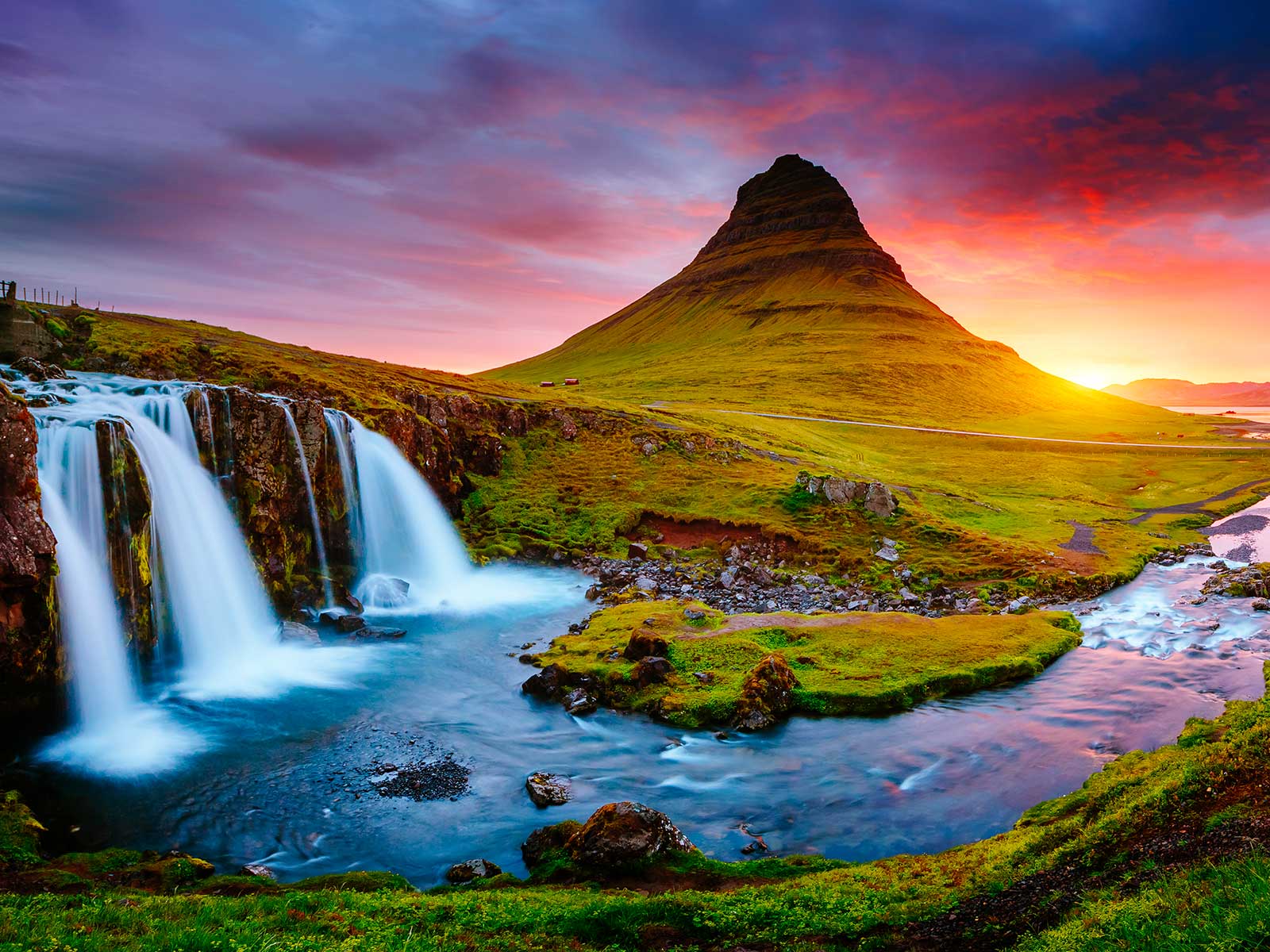
If endless daylight and access to the rugged interior are your priority, summer is your season. The phenomenon of the Midnight Sun bathes the country in a perpetual, soft glow, allowing for extended exploration.
Why Visit in Summer?
- Midnight Sun:From late May to early August, the sun barely dips below the horizon, offering nearly 24 hours of daylight. This allows for longer days of sightseeing and activities.
- Accessibility:All roads, including the F-roads to the Highlands, are typically open, granting access to remote and stunning areas like Landmannalaugar Nature Reserve and Askja Caldera.
- Hiking & Outdoor Activities:Enjoy world-class hiking, camping, horseback riding, and rafting. The landscapes are lush and green.
- Puffin Season:From May to August, millions of puffins nest along Iceland's coasts, making it the best time for wildlife enthusiasts to spot these charming birds, especially in places like The Westman Islands or the Westfjords.
What to Expect: Weather & Daylight
Summer brings the mildest temperatures, typically ranging from 10-15°C (50-59°F), though warmer days are possible. While snow is rare at lower elevations, rain and strong winds are still common. It's the peak tourist season, meaning popular attractions like the Golden Circle(featuring Strokkur Geysir and Gullfoss Waterfall) and accommodations can be crowded and require advance booking.
Fun Fact:The Midnight Sun can make it tricky to sleep! Bring an eye mask or choose accommodations with blackout curtains.
Top Summer Experiences
Summer is perfect for a Ring Road adventure, exploring diverse regions from the dramatic waterfalls of Dettifoss in the north to the glacial lagoons in the south. Discover the charm of the Snaefellsnes Peninsula, embark on a multi-day hike in the Highlands, or enjoy whale watching in warmer conditions.
The Shoulder Seasons: Spring (May) & Autumn (September - October)
For those seeking a balance between accessibility, fewer crowds, and a chance at both daylight activities and Northern Lights, the shoulder seasons offer compelling options.
Spring (May)
May is a transition month, as the country shakes off winter's chill. Days grow rapidly longer, snow begins to melt in lower elevations, and migratory birds return. Most main roads are open, but Highland roads remain closed. You might still catch the Northern Lights early in the month, while enjoying longer daylight hours for sightseeing. It's an excellent time for photography as the landscape awakens.
Autumn (September - October)
Autumn brings a beautiful palette of red, orange, and yellow hues to Iceland's landscapes. The days shorten, and the Northern Lights become increasingly visible again. Hiking conditions are often still good, especially in September, and the sheep round-ups (réttir) offer a unique cultural experience. As winter approaches, temperatures drop, and some F-roads start to close, but generally, accessibility is still good for the main attractions.
Key Factors to Consider When Planning Your Trip
Your Primary Interest
- Northern Lights:Aim for winter (September-April).
- Hiking & Highlands:Summer is best (June-August).
- Puffins:Late spring to early summer (May-August).
Budget
Summer is generally the most expensive due to high demand for flights and accommodations. The shoulder seasons and winter (excluding holiday periods) can offer better value.
Crowds
Summer is peak season. For a more tranquil experience, consider the shoulder seasons or deeper winter.
Accessibility
If exploring the rugged interior and F-roads is a priority, summer is your only option. For the main Ring Road and popular attractions, most are accessible year-round, though winter conditions require caution.
Driving Conditions
Driving in winter can be challenging due to snow, ice, and strong winds. Summer offers the easiest driving conditions, although gravel roads and unpaved sections are common.
Conclusion
There's truly no single "best" time to visit Iceland; it entirely depends on what you wish to experience. Whether you dream of witnessing the dancing Northern Lights under a blanket of snow, hiking through vibrant green valleys under the never-ending Midnight Sun, or finding a balance in the transitional beauty of spring or autumn, Iceland promises an unforgettable adventure whenever you choose to visit.