
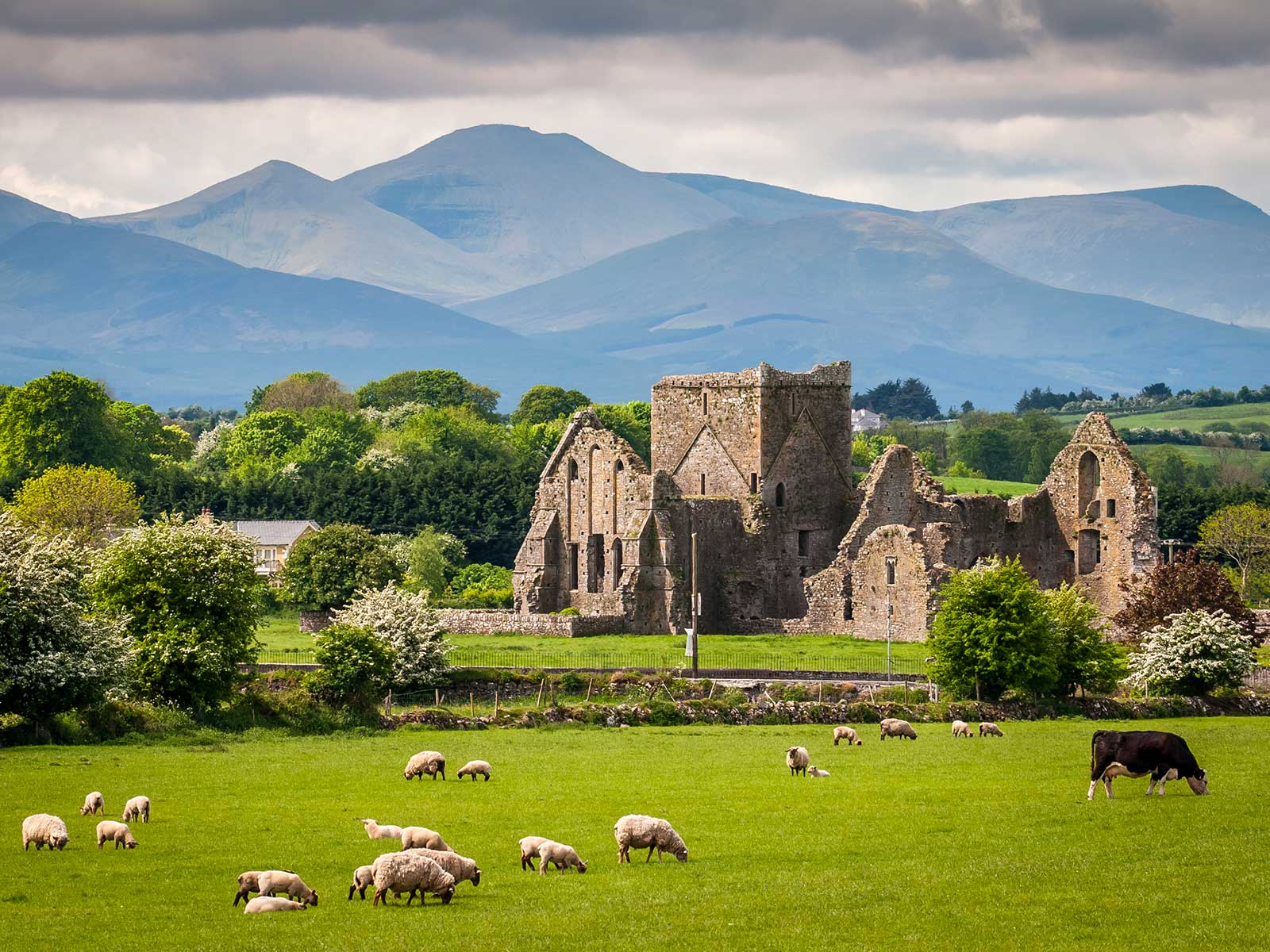
Wild Atlantic Way Road Trip: Your Ultimate Planning Guide
Embark on an unforgettable journey along the Wild Atlantic Way, Ireland's breathtaking coastal touring route. This comprehensive guide provides all the essential information you need to plan a seamless and spectacular road trip, ensuring you make the most of every mile.
What is the Wild Atlantic Way?
Stretching for over 2,500 kilometers (1,550 miles) along Ireland's western seaboard, the Wild Atlantic Way is the longest defined coastal touring route in the world. From the rugged headlands of Donegal in the north to the charming towns of West Cork in the south, it encompasses nine counties, offering a spectacular tapestry of landscapes, culture, and adventure. Expect dramatic cliffs, pristine beaches, vibrant towns, ancient monuments, and an abundance of traditional Irish hospitality.
Planning Your Route: North, Mid, or South?
Due to its immense length, most travelers choose to explore a specific section of the Wild Atlantic Way rather than attempting the entire route in one go. This allows for a deeper immersion into the local culture and landscapes without feeling rushed. Consider your interests and available time when deciding which region to focus on.
The Northern Headlands (Donegal, Sligo, Mayo)
This section is characterized by its wild, untamed beauty. Here, you'll find some of Ireland's most remote and dramatic scenery, perfect for those seeking solitude and raw natural power. Highlights include the towering sea cliffs of Slieve League, the pristine sands of Ballymastocker Beach(often voted among the world's most beautiful), and the surf-pounded shores of Donegal and Sligo. It's a region rich in ancient history, traditional music, and outdoor adventures like hiking and surfing.
The Surf Coast & Bay Coast (Mayo, Galway, Clare)
Moving south, this central section offers a blend of exhilarating surf spots, bustling towns, and iconic geological formations. Galway city serves as a vibrant hub, known for its lively arts scene and traditional pubs. Further south, County Clare boasts the world-famous Cliffs of Moher, a truly awe-inspiring natural wonder. The unique limestone landscape of the Burren, with its rare flora and ancient dolmens, also falls within this captivating stretch.
The Southern Peninsulas (Kerry, Cork)
Often considered the most popular section, the southern Wild Atlantic Way is famed for its lush green landscapes, picturesque peninsulas, and charming villages. The Ring of Kerry, a scenic drive looping around the Iveragh Peninsula, is a classic choice, offering stunning vistas and access to Killarney National Park. The Dingle Peninsula, with its rugged coastline, vibrant town, and friendly locals, is another must-visit. From here, you can also arrange boat trips to the mystical Skellig Islands, a UNESCO World Heritage site.
Best Time to Go
The timing of your trip significantly impacts the experience. Ireland's weather is famously unpredictable, but certain seasons offer distinct advantages:
- Summer (June-August):Offers the longest daylight hours and generally the warmest weather. This is peak season, so expect larger crowds and higher prices. Booking accommodation and popular attractions well in advance is essential.
- Shoulder Seasons (April-May, September-October):Often considered ideal. You'll find fewer crowds, potentially more favorable weather than winter, and many services are still fully operational. The landscapes are particularly beautiful in spring with blooming wildflowers and in autumn with changing foliage.
- Winter (November-March):Experience the Wild Atlantic Way at its most dramatic and quietest. Days are shorter, and weather can be challenging (rain, wind), but you'll have many places to yourself. Some smaller attractions or accommodations might be closed.
Essential Packing List
Be prepared for all four seasons in one day! Layers are your best friend.
- Waterproofs:A good quality rain jacket and waterproof trousers are non-negotiable.
- Warm Layers:Fleece, wool jumpers, and thermal base layers, even in summer.
- Sturdy Footwear:Waterproof walking shoes or hiking boots are crucial for exploring trails and uneven terrain.
- Camera and Power Bank:You'll want to capture the stunning scenery, and power outlets might be scarce on the go.
- Sunscreen and Hat:Yes, even in Ireland! UV rays can be strong, even on cloudy days.
- Adapter:Ireland uses Type G outlets (the same as the UK).
- Small Backpack:For day trips and carrying essentials.
Getting Around: Car Rental is Key
A car is absolutely essential for exploring the Wild Atlantic Way, offering the freedom to stop at countless scenic viewpoints and hidden gems. Remember these key points:
- Drive on the Left:Ireland drives on the left-hand side of the road.
- Narrow Roads:Be prepared for winding, often single-lane roads, especially on the peninsulas. Take your time, use caution, and be aware of oncoming traffic, sheep, and tractors.
- Manual vs. Automatic:Manual transmission cars are more common and often cheaper to rent. If you're not comfortable driving a stick shift on the left, book an automatic well in advance.
- Insurance:Understand your rental car insurance options. Consider full coverage for peace of mind.
- Navigation:A reliable GPS or offline map app is invaluable, as mobile signal can be patchy in remote areas.
Accommodation Options
The Wild Atlantic Way offers a diverse range of accommodation to suit every preference and budget:
- Bed & Breakfasts (B&Bs):A quintessential Irish experience, offering personalized hospitality, local insights, and often a delicious home-cooked breakfast.
- Hotels:From boutique hotels in towns to larger resorts with sea views.
- Guesthouses:Similar to B&Bs but often larger and with more amenities.
- Self-Catering Cottages:Ideal for longer stays or families, offering flexibility and a home-away-from-home feel.
- Hostels:Budget-friendly options in many towns, great for meeting fellow travelers.
Booking in advance is highly recommended, especially during peak season and for popular locations.
Food & Drink Experiences
Prepare your taste buds for a culinary adventure!
- Fresh Seafood:Being on the coast, fresh fish and shellfish are abundant. Don't miss the opportunity to try oysters, mussels, crab claws, or a classic fish and chips.
- Traditional Pubs:Experience the heart of Irish culture. Enjoy a pint of local stout, listen to live traditional music (often called 'a session' or 'trad session'), and soak in the friendly atmosphere. Pubs often serve excellent hearty meals too.
- Irish Coffee:A warming blend of hot coffee, Irish whiskey, sugar, and cream – perfect on a chilly day.
- Artisan Foods:Look out for local cheeses, smoked salmon, and delicious baked goods in farmers' markets and small shops.
Fun Fact:The term "craic" (pronounced "crack") is a uniquely Irish word meaning fun, entertainment, and lively conversation, often enjoyed in a social setting like a pub. Embracing the craic is key to a truly Irish experience!
Must-Do Activities & Attractions
Beyond the scenic drives, the Wild Atlantic Way offers endless opportunities for adventure and exploration:
- Hiking and Walking:From gentle coastal strolls to challenging mountain treks, the options are limitless.
- Water Sports:Surfing, kayaking, stand-up paddleboarding, and coasteering are popular activities, especially in areas like Lahinch, Sligo, and the Dingle Peninsula.
- Historic Sites:Explore ancient ring forts, castles, and monastic settlements that dot the landscape.
- Boat Trips:Take a boat trip to explore sea caves, spot wildlife like dolphins and puffins, or visit islands like the Skellig Islands.
- Traditional Music:Seek out a 'trad session' in a local pub for an authentic evening of Irish music and storytelling.
Sample Itineraries (Brief Ideas)
Here are a couple of ideas to get you started, but remember to tailor your trip to your own pace and interests:
- 7-Day Southern Explorer:Start in Cork, explore the Beara and Sheep's Head Peninsulas, drive the Ring of Kerry with a stop in Killarney National Park, spend time on the Dingle Peninsula, and finish with a visit to the Cliffs of Moher.
- 7-Day Northern Wilds:Begin in Galway, explore Connemara National Park, head north through Mayo to discover Achill Island, then journey into the wild beauty of Sligo and Donegal, perhaps visiting Ballymastocker Beach.
Always factor in extra time for spontaneous stops, unexpected detours, and simply soaking in the views.
Important Tips for a Smooth Trip
- Embrace the Weather:Don't let a little rain deter you. Irish weather changes quickly, and dramatic skies often enhance the scenery.
- Take Your Time:The Wild Atlantic Way is about the journey, not just the destination. Resist the urge to rush.
- Engage with Locals:Irish people are renowned for their hospitality. Strike up conversations in pubs and shops – you'll gain invaluable local insights and create lasting memories.
- Stay Safe:When exploring cliffs or coastal paths, always stay on marked trails and heed warning signs. The ocean can be powerful and unpredictable.
- Leave No Trace:Help preserve the stunning natural beauty of the Wild Atlantic Way by disposing of waste properly and respecting local wildlife and communities.
With careful planning and an open mind, your Wild Atlantic Way road trip will undoubtedly be an unforgettable adventure, filled with breathtaking landscapes, rich culture, and the warm spirit of Ireland.