
The Dingle Peninsula Drive: Essential Stops and Breathtaking Views
Embark on an unforgettable journey along the Dingle Peninsula, a captivating corner of County Kerry renowned for its rugged beauty, ancient history, and vibrant culture. This guide details the essential stops and breathtaking vistas awaiting you on one of Ireland's most iconic coastal drives.
Discovering the Dingle Peninsula: A Gem on the Wild Atlantic Way
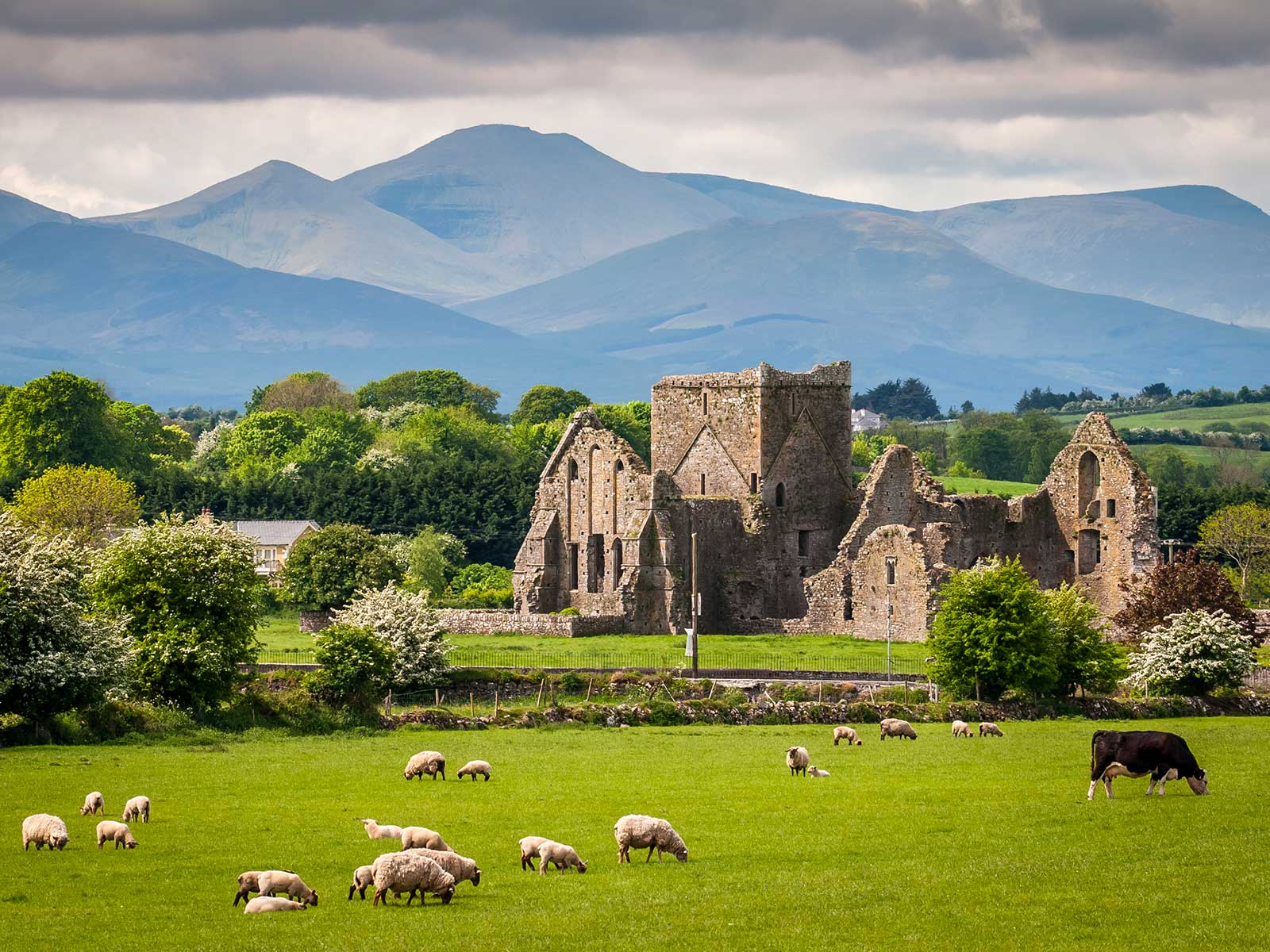
The Dingle Peninsula, or Corca Dhuibhne as it's known in Irish, juts out into the Atlantic Ocean, presenting a dramatic landscape of mountains, sandy beaches, and towering sea cliffs. It’s a designated Gaeltacht area, meaning the Irish language thrives here, adding to its unique charm and cultural richness. As a prominent loop on the magnificent Wild Atlantic Way, the Dingle Peninsula Drive offers a microcosm of Ireland’s stunning west coast, promising an adventure filled with awe-inspiring scenery and historical intrigue.
Planning Your Dingle Peninsula Adventure
To truly savour the Dingle Peninsula, a little planning goes a long way. While the drive can technically be done in a few hours, we recommend dedicating a full day, or even two, to explore its hidden gems.
Best Time to Visit
The Dingle Peninsula is beautiful year-round, but late spring to early autumn (May to September) offers the best chance for milder weather and longer daylight hours. Be prepared for changeable conditions regardless of the season; packing layers and waterproofs is always a good idea.
Getting There and Around
Most visitors drive to Dingle, often starting their journey from nearby Killarney National Park or Tralee. The primary route around the peninsula is the Slea Head Drive (Slí Cheann Sléibhe), a roughly 47-kilometre (29-mile) loop beginning and ending in Dingle Town. It's best driven clockwise to avoid traffic congestion on narrow roads and to ensure you're always on the ocean side for the best views. Consider renting a car if you're flying into Dublin and exploring the country.
Driving Tips for Slea Head
- Go Clockwise:This is crucial for safety and optimal viewing. Most tour buses also follow this direction.
- Take Your Time:The roads are narrow and winding, with frequent blind spots. Sheep often roam freely.
- Use Pull-Outs:Pull over safely at designated spots to admire the views and allow faster traffic to pass.
- Fuel Up:Ensure your tank is full before you leave Dingle Town.
Essential Stops Along the Slea Head Drive
Starting from Dingle Town, here are the must-see stops as you navigate the Slea Head Drive clockwise.
1. Dingle Town
Your journey begins and ends in the charming fishing town of Dingle. Famous for its colourful shopfronts, traditional pubs, and delicious seafood, Dingle is a hub of activity. Spend some time exploring its artisan shops, enjoying a meal, or simply soaking in the atmosphere. For many years, the town was synonymous with Fungie, a beloved resident dolphin who captured the hearts of locals and visitors alike.
Fun Fact:Dingle is home to several award-winning culinary establishments, making it a true food lover's paradise. Don't leave without trying some fresh-off-the-boat seafood!
2. Ventry Beach (Fionntrá)
Just a few kilometres west of Dingle, Ventry Beach is a beautiful, sheltered sandy crescent stretching for several kilometres. It's a perfect spot for a leisurely stroll, a dip in the Atlantic (if you're brave!), or simply to enjoy the vast expanse of sand and sea.
3. Dunbeg Fort (Dún Beag)
Perched dramatically on a cliff edge, Dunbeg Fort is an ancient promontory fort dating back to the Iron Age. Its defensive walls and underground passages (souterrains) offer a glimpse into Ireland's prehistoric past. The views from the fort out over the wild Atlantic are simply spectacular.
4. Beehive Huts (Fahan)
Further along, you'll encounter the Fahan Beehive Huts (clocháin), ancient stone dwellings built without mortar, showcasing remarkable dry-stone masonry skills. These unique structures, often dating from the early Christian period, provide a fascinating insight into the lives of early monastic communities and farmers on the peninsula.
5. Coumeenoole Beach (Com Dhíneol)
Often considered one of Ireland's most beautiful beaches, Coumeenoole is a stunning cove framed by towering cliffs. Its dramatic beauty was famously featured in the filmRyan's Daughter. Be cautious if descending to the beach, as the currents can be strong, but the views from above are breathtaking.
6. Dunquin Pier (Dún Chaoin) & Blasket Islands Viewpoint
This is arguably the most iconic stop on the Slea Head Drive. The zig-zag path leading down to Dunquin Pier is a photographer's dream. From here, you get unparalleled views of the magnificent Great Blasket Island (An Blascaod Mór), the largest of the uninhabited Blasket Islands. Visit the nearby Blasket Centre (Ionad an Bhlascaoid) to learn about the unique literary and cultural heritage of these islands, whose last inhabitants evacuated in 1953. On a exceptionally clear day, you might even spot the distant outline of the Skellig Islands.
7. Clogher Head (Ceann Chloichir)
Just past Dunquin, Clogher Head offers another incredible viewpoint. On a clear day, the views extend across the ocean to the Blasket Islands and along the rugged coastline. It’s a perfect spot to pause, breathe in the fresh sea air, and appreciate the raw power of the Atlantic.
8. Gallarus Oratory (Séipéilín Ghallarais)
A short detour inland will bring you to the remarkably preserved Gallarus Oratory, an early Christian stone church. Built entirely without mortar, its boat-shaped design has remained watertight for over a thousand years, a testament to ancient Irish engineering. It's a serene and historically significant site.
9. Kilmalkedar Church (Cill Maol Céadair)
Continue your inland exploration to Kilmalkedar, a significant monastic site dating back to the 7th century. The ruins include a Romanesque church, an Ogham stone, a sundial, and a stone cross, offering a profound sense of history and spirituality.
10. Conor Pass (An Chonair) - Optional Detour
While not strictly part of the Slea Head Drive, the Conor Pass is an essential experience for many. It's the highest mountain pass in Ireland, offering incredibly dramatic views as it winds its way over the Slieve Mish mountains. The narrow, winding road is not for the faint of heart, but the panoramic vistas of the Dingle Peninsula, the surrounding mountains, and the Atlantic Ocean are truly rewarding. If you're coming from the Tralee side, this is often your entry point to the peninsula's interior.
Beyond the Drive: Dingle's Delights
Food and Drink
Dingle is a culinary hotspot. Indulge in fresh seafood at one of its many restaurants, sample local artisanal cheeses, or enjoy a pint in a traditional pub where live music is often heard. The Dingle Distillery also produces award-winning whiskey, gin, and vodka, offering tours and tastings.
Activities and Exploration
Beyond driving, consider a boat trip from Dingle Harbour (perhaps to spot local wildlife), go sea kayaking, or hike some of the peninsula’s many scenic trails, including sections of the Dingle Way.
Making the Most of Your Dingle Adventure
To fully appreciate the magic of the Dingle Peninsula, allow yourself time to wander, to stop for impromptu photo opportunities, and to engage with the friendly locals. Embrace the unpredictable Irish weather, and know that even on a misty day, the landscape holds a unique, ethereal beauty.
Travel Tip:Be sure to support local businesses, from small cafes to craft shops, to help sustain the unique culture and community of the Dingle Peninsula.
Conclusion
The Dingle Peninsula Drive is more than just a scenic route; it’s an immersive journey through history, culture, and some of Ireland’s most breathtaking natural landscapes. From ancient forts to pristine beaches and vibrant towns, every turn offers a new discovery. Pack your bags, set your GPS (but don't rely on it too much!), and prepare to be enchanted by the unparalleled beauty of Dingle.