
Irish Culture and Customs: What Visitors Need to Know
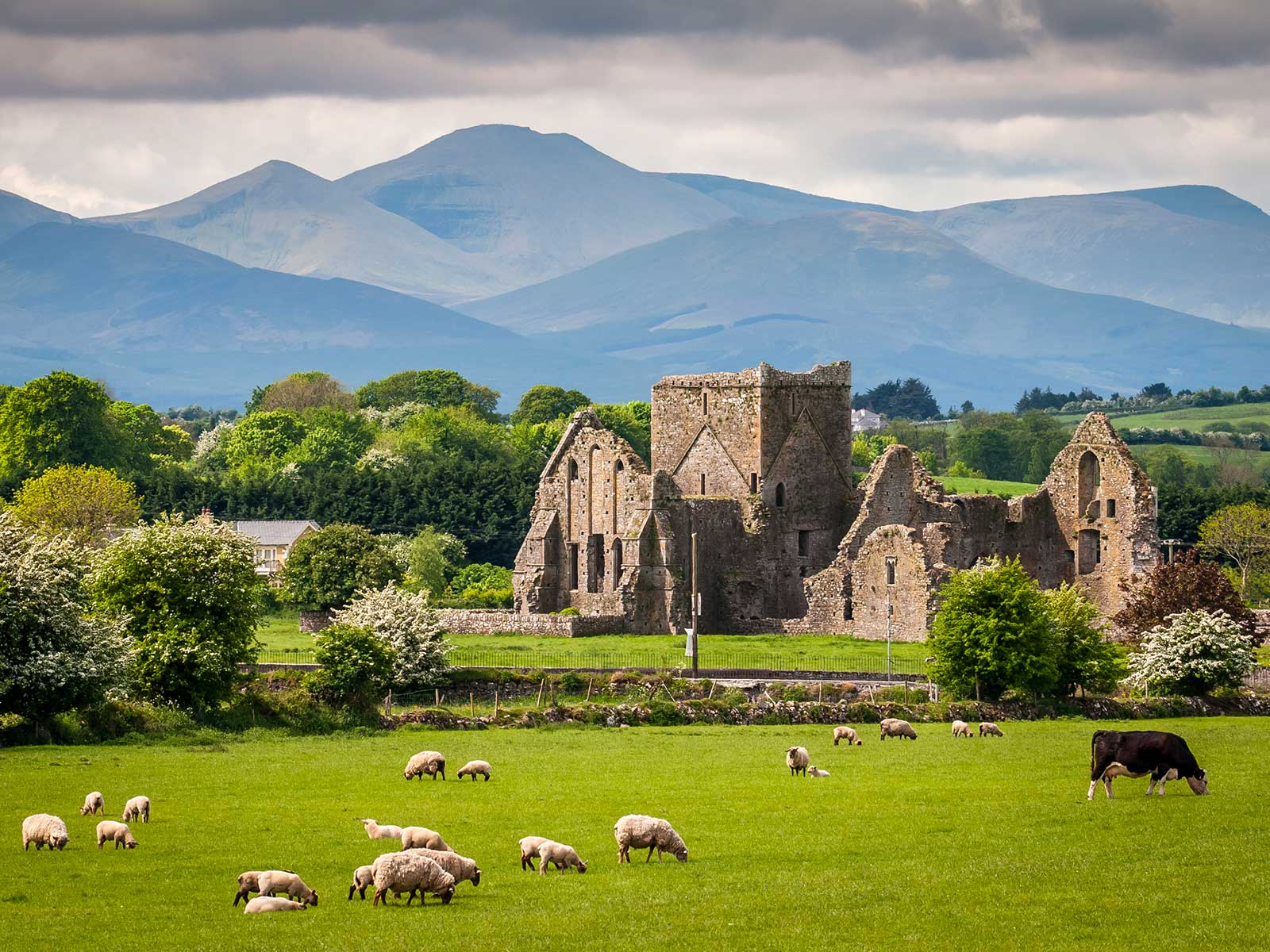
Ireland, the Emerald Isle, beckons with its captivating landscapes, rich history, and the legendary warmth of its people. To truly experience the heart of this vibrant nation, understanding its unique culture and customs is key. This guide offers practical insights to help you navigate and appreciate the authentic Irish way of life.
The Warmth of Irish People
One of the most striking aspects of Irish culture is the genuine friendliness and hospitality you'll encounter. Irish people are renowned for their welcoming nature, often eager to share a story or a laugh with visitors.
The Art of Conversation
Conversation is a cherished pastime in Ireland. Don't be surprised if a stranger strikes up a chat in a shop, on a bus, or in a pub. This isn't intrusive; it's an invitation to connect. Engaging in lighthearted banter, sharing personal anecdotes, and even a bit of good-natured teasing are all part of the social fabric. Active listening and a willingness to participate are greatly appreciated.
Hospitality and Craic
The concept ofcraic(pronounced "crack") is central to Irish social life. It refers to a combination of fun, lively conversation, good company, and an enjoyable atmosphere. You'll hear it often, as in "What's the craic?" (How are things?) or "The craic was mighty!" (It was great fun!). Irish hospitality extends to ensuring everyone feels comfortable and part of the craic, whether you're in a local's home or a bustling pub in Dublin.
Pub Culture: More Than Just a Drink
The Irish pub is far more than just a place to drink; it's a vital community hub, a social institution, and often the heart of local life. It's where friends meet, stories are shared, and music fills the air.
Etiquette in the Pub
When you enter a pub, head straight to the bar to order. Tipping bartenders is not strictly expected for every drink, but if you receive excellent service or are ordering food, leaving a few euros or offering to "buy the barman a drink" is a nice gesture. It's common for groups to buy "rounds" – one person buys drinks for everyone in the group, and then another person takes the next round. If you're invited into a round, it's polite to reciprocate.
Tip:Don't try to rush an Irish pub experience. It's about soaking in the atmosphere, enjoying the company, and letting the conversations flow naturally. Many pubs, like Sean's bar, proudly claim to be among the oldest in the world, offering a deep dive into history with your pint.
Traditional Irish Music (Trad Sessions)
Experiencing a live traditional Irish music session (often called a "trad session") is a highlight for many visitors. Musicians typically gather informally, playing together for the sheer joy of it. You'll find these sessions in pubs across the country, from small villages to larger cities. While clapping along is welcome, avoid talking loudly over the music, especially during quieter instrumental pieces. These sessions are about appreciating the artistry and shared cultural experience.
Language and Communication
While English is the primary language spoken throughout Ireland, visitors will encounter the beautiful and ancient Irish language (Gaeilge) in various forms.
The Irish Language (Gaeilge)
Gaeilge is the first official language of the Republic of Ireland, and you'll see it on road signs, public notices, and government documents. In some regions, particularly along the Wild Atlantic Way in the Gaeltacht (Irish-speaking) areas, it is the community language. Don't worry if you don't speak Irish; everyone will speak English. However, learning a few basic phrases can be a delightful way to show respect for the culture.
Common Phrases and Greetings
- Hello:Dia dhuit(Dee-a Gwit)
- How are you?:Conas atá tú?(Cun-as a-TAW too?)
- Thank you:Go raibh maith agat(Guh rev MAH ug-ut)
- Cheers/Good Health:Sláinte!(SLAHN-che!)
- A hundred thousand welcomes:Céad Míle Fáilte!(Kay-ed MEE-leh FAWL-che!) - a common greeting you'll see everywhere.
Driving and Getting Around
Exploring Ireland by car offers incredible freedom, allowing you to discover hidden gems and stunning vistas like the Cliffs of Moher or the scenic routes of Killarney National Park. However, there are a few important things to remember.
Road Rules and Etiquette
In Ireland, traffic drives on theleft-hand side of the road, and cars are typically right-hand drive. Speed limits are in kilometres per hour. Roads, especially in rural areas or on routes like the Dingle Peninsula, can be narrow, winding, and often lack shoulders. Be prepared for slow driving, and don't be surprised to encounter sheep or other livestock on country roads. Always give way to oncoming traffic when necessary and use designated passing points.
Navigating Rural Roads
Patience is a virtue when driving in Ireland. Take your time, enjoy the incredible scenery, and pull over safely to allow faster traffic to pass if you feel comfortable. GPS systems are generally reliable, but having a physical map as a backup is always a good idea, especially in remote areas where signal can be spotty.
Food and Drink Traditions
Irish cuisine is hearty, wholesome, and deeply rooted in its agricultural heritage. And, of course, the drinks are iconic.
Hearty Staples
Expect delicious, comforting food. A traditional Irish breakfast, featuring sausages, bacon, eggs, black and white pudding, beans, and soda bread, is a fantastic way to start the day. Other staples include Irish stew, shepherd's pie, coddle, and freshly baked soda bread. Seafood, especially along the coast, is exceptionally fresh and delicious.
The Perfect Pint and Whiskey
No visit to Ireland is complete without experiencing a pint of Guinness. Many locals will tell you it tastes best in Ireland. Take your time to enjoy its creamy head and rich flavour. Irish whiskey, distinct from Scotch, is another national treasure. Consider a visit to the Irish Whiskey Museum to learn about its history and production.
Respecting History and Heritage
Ireland's past is rich and complex, marked by ancient myths, Christian monasticism, Viking invasions, Norman conquests, and centuries of struggle for independence. This history is palpable across the landscape.
Sacred Sites and Historical Landmarks
Many sites hold deep historical and cultural significance. When visiting monastic settlements like Glendalough, ancient burial grounds, or historical prisons like Kilmainham Gaol, show respect by following guidelines, staying on marked paths, and refraining from touching or disturbing ancient structures. These places are not just tourist attractions; they are sacred links to the past.
The Importance of Remembrance
The Great Famine (An Gorta Mór) and the struggle for Irish independence are significant parts of the national narrative. You'll encounter memorials and museums dedicated to these events. Approaching these topics with sensitivity and an open mind will deepen your understanding of the Irish identity.
Weather and Practicalities
Ireland's weather is famously unpredictable, and a few practical tips can make your trip more comfortable.
Be Prepared for All Seasons
It's often said that in Ireland, you can experience all four seasons in one day. Pack layers, waterproof outer clothing, and comfortable, waterproof shoes regardless of the time of year. Don't let the rain deter you; it often passes quickly, revealing stunning light and vibrant rainbows!
Tipping and Services
Tipping is customary for good service in restaurants (10-15% is standard if a service charge isn't already included). For taxi drivers, rounding up the fare is common. In pubs, as mentioned, tipping isn't always expected for every drink, but a gesture for good service is appreciated.
Embrace the unique charm, engage with the friendly locals, and allow yourself to be swept away by the magic of Ireland. With these cultural insights, you're well-equipped to create unforgettable memories on the Emerald Isle.