
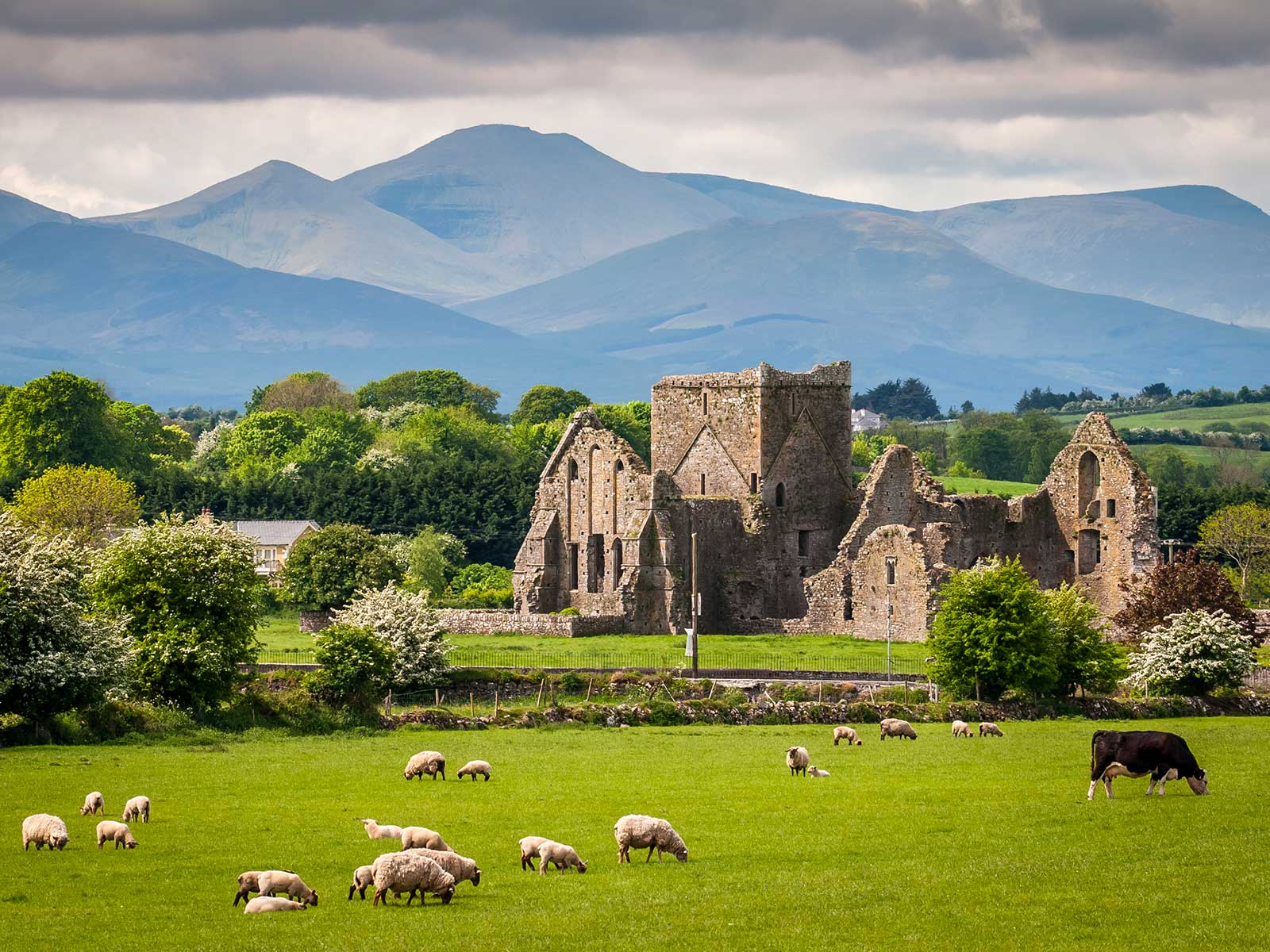
Glendalough Monastic Site: History, Hikes, and Natural Beauty
Nestled deep within the Wicklow Mountains, Glendalough offers a captivating blend of ancient history, serene natural beauty, and invigorating outdoor activities. This historic monastic settlement, founded by St. Kevin in the 6th century, invites visitors to step back in time while immersing themselves in Ireland's stunning landscapes.
From its iconic Round Tower to its tranquil lakes and lush walking trails, Glendalough is a cornerstone of Irish heritage and a true gem for nature lovers. Whether you're seeking spiritual solace, a challenging hike, or simply a picturesque escape, this ancient valley promises an unforgettable experience just a short drive from Dublin.
A Glimpse into the Past: St. Kevin's Legacy
The story of Glendalough, orGleann dá Loch(Valley of Two Lakes), begins with St. Kevin. Seeking a life of solitude and contemplation, he established a hermitage here in the 6th century. Over time, his reputation for holiness attracted followers, leading to the growth of a prominent monastic city that flourished for over 600 years.
Glendalough became a renowned center of learning and pilgrimage, playing a significant role in early Christian Ireland. Despite numerous Viking raids, the settlement persisted, leaving behind a remarkable collection of well-preserved ecclesiastical ruins that stand testament to its enduring spiritual and cultural importance.
The Monastic Settlement: Architectural Marvels
The main monastic site is a fascinating open-air museum, showcasing a collection of stone churches, a cathedral, and its most recognizable landmark, the Round Tower. A visit here is like walking through the pages of an ancient history book.
- The Round Tower:Standing over 30 meters tall, this magnificent structure served as a bell tower, a landmark for approaching visitors, and a place of refuge during attacks. Its remarkably preserved conical roof is a testament to ancient Irish craftsmanship.
- St. Kevin's Church (or Kitchen):A small, stone-roofed oratory, famous for its miniature round tower-like belfry. Its unique architecture makes it one of the most distinctive buildings on the site.
- The Cathedral:Though largely ruined, the cathedral was once the largest and most imposing building in the settlement, reflecting the community's importance.
- Priest's House:A small, vaulted building near the cathedral, possibly used to house relics or as a mortuary chapel.
- St. Mary's Church:The largest of the Romanesque churches, located a short walk from the main cluster.
Fun Fact:Glendalough's Round Tower, like many others across Ireland, was built with a doorway several meters off the ground. This design made it easier to defend and provided better security for its contents during times of raid.
Nature's Embrace: Lakes and Landscapes
Beyond the historical ruins, Glendalough is celebrated for its breathtaking natural environment. The glacial valley, carved during the last Ice Age, is home to two stunning lakes – the Upper Lake and the Lower Lake – surrounded by dramatic mountains and ancient woodlands. For those who appreciate the wild beauty of places like Killarney National Park, Glendalough offers a similarly immersive experience in Ireland's natural splendor.
Exploring the Trails: Hikes for Every Level
Glendalough is a hiker's paradise, offering a network of nine waymarked trails, ranging from gentle strolls to challenging mountain climbs. All trails are clearly signposted with colored arrows, making navigation straightforward.
- Easy Strolls (e.g., Green & Blue Routes):
- The Green Road (3km, 1 hour):A flat, accessible path along the northern shore of the Lower Lake, perfect for families or those seeking a leisurely walk. It offers beautiful views of the monastic site and the lake.
- Lake Walk (Blue Route, 3km, 1 hour):This trail follows the southern shore of the Lower Lake, offering slightly different perspectives and a peaceful atmosphere.
- Moderate Walks (e.g., White & Yellow Routes):
- Poulanass & St. Kevin's Cell (White Route, 4km, 1.5 hours):This popular loop takes you past the Poulanass Waterfall and up to St. Kevin's Cell, a small cave where the saint reportedly lived. It offers stunning views of the Upper Lake.
- Miners' Road Walk (Yellow Route, 5km, 1.5 hours):A relatively flat path along the northern shore of the Upper Lake, leading to the historic mining village. It provides insights into the valley's industrial past.
- Challenging Climbs (e.g., Red & Spinc Routes):
- Spinc and Glendalough Valley Walk (Red Route, 9km, 3-4 hours):This strenuous but highly rewarding loop ascends to the boardwalk along the Spinc ridge, offering panoramic views of both lakes and the entire valley. It's a highlight for serious hikers.
- Derrybawn Woodland Trail (Orange Route, 10km, 3 hours):A challenging forest walk with steep ascents, providing excellent views over the valley from higher elevations.
Remember to wear appropriate footwear and clothing, especially for the longer trails, as weather conditions in the mountains can change rapidly. Bring water and snacks, and always inform someone of your route if venturing onto the more remote paths.
Planning Your Visit to Glendalough
Glendalough is easily accessible and well-equipped to welcome visitors, making it an ideal day trip or part of a longer Wild Atlantic Way or wider Irish exploration.
Getting There
Glendalough is located in County Wicklow, often referred to as the "Garden of Ireland." It's approximately an hour's drive south of Dublin. Public transport options, including direct bus services from Dublin, are also available, making it convenient even without a car.
Visitor Centre & Facilities
The Glendalough Visitor Centre is the perfect starting point for your visit. Here you'll find comprehensive exhibitions detailing the history, archaeology, and wildlife of Glendalough. Knowledgeable staff are on hand to answer questions and provide information about the trails. Facilities include restrooms, a gift shop, and often a cafe for refreshments.
Parking is available at both the monastic site (Lower Lake) and the Upper Lake, with a small fee typically charged per vehicle.
Best Time to Visit
Glendalough is beautiful year-round, but each season offers a different charm. Spring and autumn provide pleasant temperatures for hiking and stunning foliage. Summer is popular, offering longer daylight hours, but can be busier. Winter visits, while colder, can be incredibly atmospheric and offer a peaceful, less crowded experience, often with crisp, clear views.
Responsible Tourism
As a protected national monument and a sensitive natural habitat, visitors are encouraged to practice responsible tourism. Stick to marked paths, take all litter with you, and respect the ancient ruins and wildlife. Dogs are permitted on trails but must be kept on a leash.
Beyond the Valley: A Deep Dive into Serenity
Glendalough is more than just a collection of old buildings and scenic views; it's a place where history, nature, and spirituality converge. The sheer tranquility of the valley, combined with the palpable sense of history, creates an atmosphere that lingers long after your visit. It’s a place to reflect, explore, and reconnect with both the past and the natural world.
Whether you’re tracing the footsteps of saints, challenging yourself on a mountain trail, or simply soaking in the peaceful ambiance, Glendalough offers a truly unique and enriching Irish experience.