
Best Time to Visit Ireland: Weather, Crowds, and Events
Ireland, the Emerald Isle, beckons with its verdant landscapes, rich history, and vibrant culture. Deciding when to experience its magic depends largely on your priorities: do you chase sunshine, avoid crowds, or seek out festive celebrations? This guide will help you pinpoint the ideal season for your unforgettable Irish adventure.
Understanding Ireland's Climate
Ireland is famous for its mild, temperate climate, often described as having "four seasons in one day." While extreme temperatures are rare, rain is a frequent visitor, contributing to the island's lush greenery. Layered clothing is always recommended, regardless of the season.
Spring (March – May)
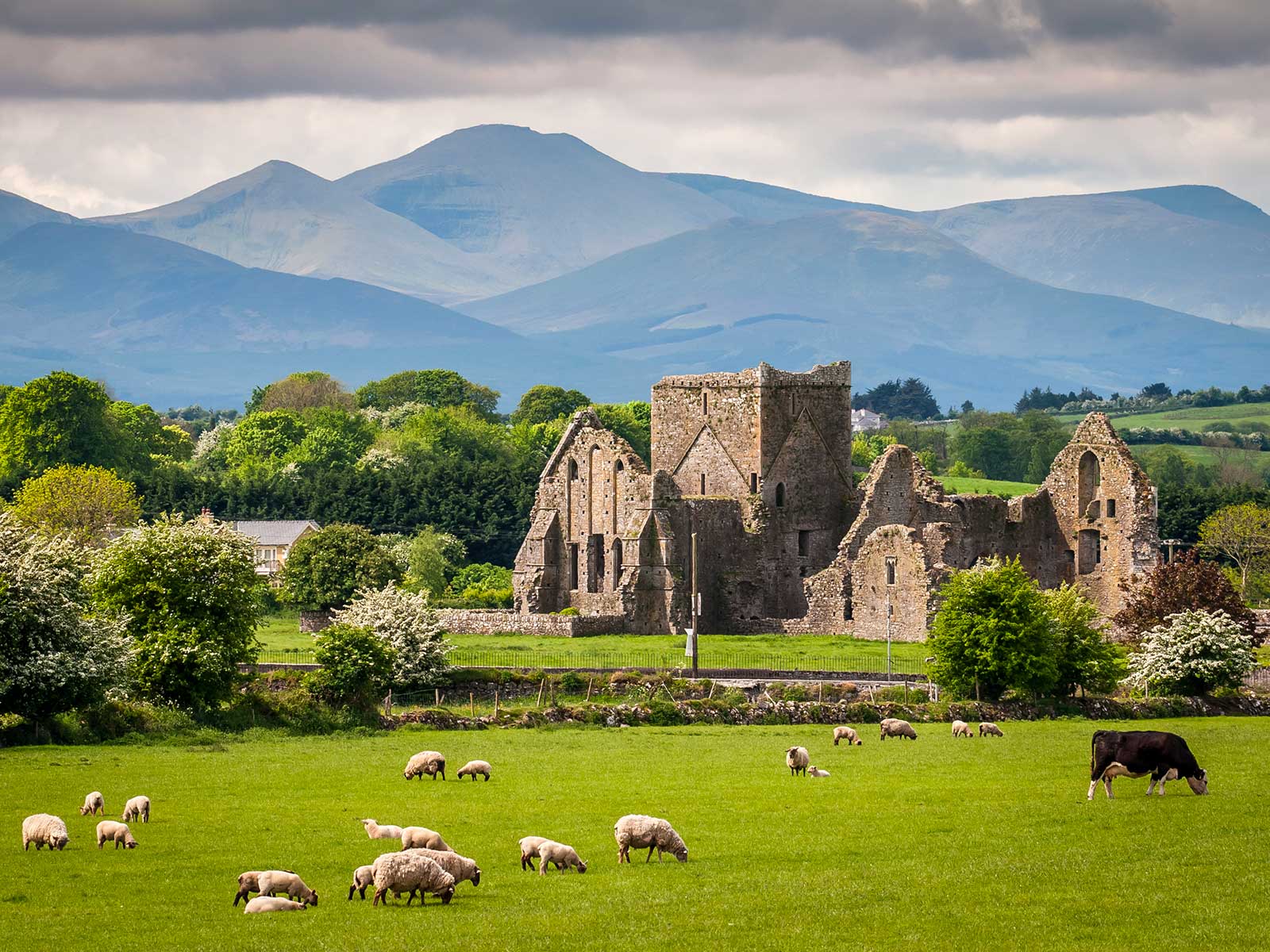
Spring in Ireland is a time of renewal, as the landscape bursts into vibrant green, wildflowers bloom, and lambs dot the fields.
Weather in Spring
Temperatures gradually rise from around 5-10°C (41-50°F) in March to 10-15°C (50-59°F) by May. While still prone to showers, spring often offers pleasant, sunny spells, especially in late April and May. Days become noticeably longer, providing more daylight for exploration.
Crowds and Costs in Spring
Early spring (March) sees a surge of visitors around St. Patrick's Day, particularly in cities like Dublin. Outside of this period, crowds are moderate, making it an excellent time to visit popular attractions like the Cliffs of Moher or Glendalough without the peak summer rush. Accommodation and flight prices are generally more affordable than in summer, though they start to climb in May.
Events in Spring
- St. Patrick's Day (March 17th):A nationwide celebration with parades, music, and festivities. Dublin hosts the largest parade.
- TradFest Temple Bar (January - often extends into early March):While primarily in January, traditional music events can spill over, particularly around St. Patrick's Day.
- Dublin Dance Festival (May):Showcasing contemporary dance from Ireland and abroad.
Tip:If you plan to visit around St. Patrick's Day, book your accommodation and travel well in advance, as prices and demand skyrocket.
Pros:Lush landscapes, fewer crowds (outside St. Patrick's Day), increasing daylight, moderate prices.
Cons:Still a chance of cool, wet weather, some attractions or services might have reduced hours early in the season.
Summer (June – August)
Summer is Ireland's peak tourist season, offering the warmest weather, longest days, and a lively atmosphere.
Weather in Summer
Average temperatures range from 15-20°C (59-68°F), occasionally reaching higher. While rain is still a possibility, you'll experience the most sunshine during these months. Days are incredibly long, with daylight extending past 10 PM in June, perfect for exploring the Wild Atlantic Way or hiking in Killarney National Park.
Crowds and Costs in Summer
Expect larger crowds at major attractions and higher prices for flights, accommodation, and car rentals. Popular spots like the Cliffs of Moher, the Guinness Storehouse, and the Skellig Islands(which are only accessible seasonally, typically late spring to early autumn) will be busy. Booking everything in advance is crucial.
Events in Summer
- Bloomsday (June 16th):Dublin celebrates James Joyce's "Ulysses" with readings, performances, and themed events.
- Galway Arts Festival (July):One of Ireland's premier arts festivals, featuring theatre, music, comedy, and visual arts.
- Puck Fair (August):One of Ireland's oldest festivals in Killorglin, County Kerry, featuring a wild goat crowned king.
- Rose of Tralee International Festival (August):A celebration of Irish culture and beauty.
Pros:Warmest weather, longest daylight hours, vibrant atmosphere, all attractions open.
Cons:Peak crowds, highest prices, essential to book far in advance.
Autumn (September – November)
Autumn paints Ireland in hues of gold and russet, offering a beautiful and often more relaxed travel experience after the summer rush.
Weather in Autumn
September often feels like an extension of summer, with mild temperatures around 10-15°C (50-59°F). October sees a noticeable drop to 7-12°C (45-54°F), and by November, temperatures can dip to 5-10°C (41-50°F). Rain becomes more frequent, and days shorten, but crisp, clear autumn days are truly magical. This is a fantastic time for scenic drives through places like The Dingle Peninsula.
Crowds and Costs in Autumn
Crowds significantly thin out after early September, making it an ideal time for those seeking a more tranquil visit. Prices for accommodation and flights begin to decrease, offering better value. Many attractions remain open, though some may start to operate on reduced hours by late October.
Events in Autumn
- Galway International Oyster & Seafood Festival (September):Celebrate Ireland's seafood heritage.
- Cork Jazz Festival (October):A renowned international jazz festival.
- Halloween (October 31st):Originating from the ancient Celtic festival of Samhain, Ireland celebrates Halloween with gusto, particularly the Bram Stoker Festival in Dublin.
Fun Fact:Halloween traditions, including jack-o'-lanterns, originated in Ireland, where turnips were originally used before pumpkins became popular in America.
Pros:Stunning autumn colours, fewer crowds, more affordable prices, pleasant temperatures in early autumn.
Cons:Increasing rainfall, shorter days, some seasonal attractions may close by late autumn.
Winter (December – February)
Winter in Ireland is generally mild but damp, offering a cosy charm and a chance to experience the festive season or enjoy the quiet beauty of the landscape.
Weather in Winter
Temperatures typically hover between 2-8°C (36-46°F). While snow is rare outside of higher elevations (like the mountains around Giant's Causeway or parts of the Wild Atlantic Way), frost is common, and rainfall can be persistent. Days are short, with daylight lasting only about 8 hours in December.
Crowds and Costs in Winter
This is the off-peak season, meaning the fewest crowds and the best prices for flights and accommodation (excluding the Christmas and New Year period). Many outdoor attractions might be less appealing due to weather, but indoor gems like the Irish Whiskey Museum,Kilmainham Gaol, or a warm session at Sean's bar become even more inviting.
Events in Winter
- Christmas Markets (December):Cities like Dublin, Galway, and Cork host festive markets.
- New Year's Eve Celebrations (December 31st):Concerts and fireworks, especially in Dublin.
- TradFest Temple Bar (January):A celebration of traditional Irish music in Dublin.
- Six Nations Rugby (February/March):A major sporting event that brings a buzz, especially if Ireland is playing at home.
Pros:Fewest crowds, best prices (outside holidays), cosy pub atmosphere, festive cheer.
Cons:Coldest and wettest weather, shortest daylight hours, some attractions closed for the season.
Key Considerations for Your Trip
Packing for Ireland
Regardless of the season, layering is key. Always pack waterproof outerwear (jacket and trousers), comfortable walking shoes, and an umbrella. Even in summer, evenings can be cool. Don't forget a hat and gloves for the colder months.
Driving in Ireland
Renting a car offers the most flexibility to explore, especially along routes like the Wild Atlantic Way. Remember to drive on the left! Roads can be narrow, particularly in rural areas like those around The Dingle Peninsula.
Booking in Advance
For peak season (summer and St. Patrick's Day), booking flights, accommodation, and popular tours well in advance is essential. Even in shoulder seasons, securing key bookings can save money and ensure availability.
Conclusion
Ireland truly offers something special in every season. Whether you dream of vibrant spring greenery, long summer days, picturesque autumn colours, or the cosy charm of winter, understanding the seasonal nuances will help you plan your perfect trip. Embrace the unpredictable weather, pack accordingly, and prepare for an unforgettable experience on the Emerald Isle.