
The Danube River in Hungary: Exploring Budapest & Beyond
The mighty Danube, Europe's second-longest river, carves a majestic path through the heart of Hungary, profoundly shaping its landscape, history, and culture. More than just a waterway, it serves as the vibrant artery of Budapest and a gateway to charming towns and breathtaking scenery beyond the capital. Join us as we explore the Danube's enduring allure, from the bustling cityscapes to the tranquil bends upstream.
The Danube in Budapest: A City Divided and United
In Budapest, the Danube is undeniably the star. It gracefully divides the historic, hilly Buda on the west bank from the flatter, bustling Pest on the east, creating a dynamic visual contrast that defines the city's unique charm. This division is also its union, with iconic bridges gracefully arching across, connecting the two halves and allowing for seamless exploration.
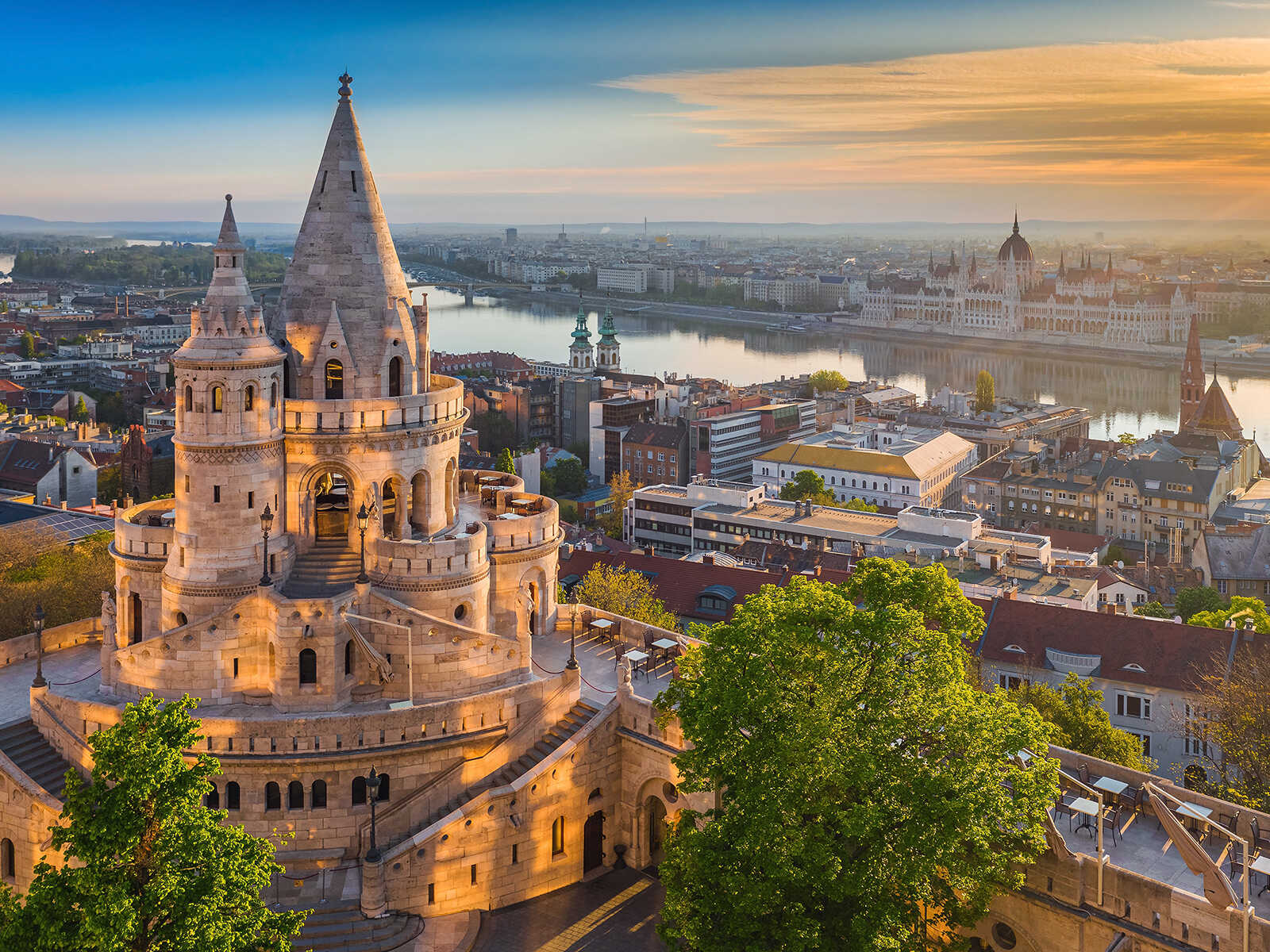
Walking along the Danube Promenade on the Pest side offers unparalleled views of Buda's UNESCO World Heritage sites. From here, you can admire the grandeur of Buda Castle, the intricate spires of the Matthias Church, and the fairytale-like Fishermen’s Bastion perched high above. On the Buda side, the panoramic views of Pest are equally captivating, dominated by the neo-Gothic splendor of the Hungarian Parliament Building, especially striking when illuminated at night.
Crossing the Danube: Budapest's Iconic Bridges
Budapest's bridges are not merely functional crossings but architectural marvels in their own right, each with its own story and character. The most famous is theChain Bridge(Széchenyi Lánchíd), an elegant suspension bridge guarded by stone lions, symbolizing the city's unification in 1873. Further south, the greenLiberty Bridge(Szabadság híd) connects the Great Market Hall on the Pest side with Gellért Hill and the famous Gellért Baths on the Buda side. The longest is theMargaret Bridge(Margit híd), which leads to the verdant Margaret Island, a popular recreational haven in the middle of the river.
Did you know?The Chain Bridge was the first permanent bridge to connect Buda and Pest, a monumental achievement in its time and a powerful symbol of Hungarian progress and independence.
River Activities & Experiences in the Capital
One of the best ways to experience the Danube in Budapest is from the water itself. River cruises are plentiful, offering various options from short sightseeing tours to romantic dinner cruises with live music. These cruises provide a unique perspective on the city's architecture and an unforgettable opportunity to witness Budapest's landmarks twinkle to life after dusk.
Beyond cruises, the riverbanks themselves invite exploration. Stroll along the Pest promenade, perhaps starting near Váci u., one of Budapest's main shopping streets, and head north towards the Parliament. Don't miss the poignant "Shoes on the Danube Bank" memorial, a tribute to Jewish victims during WWII. For a more elevated view, ascend to the top of Citadella on Gellért Hill for breathtaking panoramas of the entire city and the sweeping river below.
Beyond Budapest: Exploring the Danube Bend
While Budapest showcases the Danube's urban grandeur, the river's journey through Hungary extends far beyond the capital, leading to one of the country's most picturesque regions: the Danube Bend (Dunakanyar). This is where the river makes a dramatic turn, winding through rolling hills and charming historic towns that are perfect for day trips.
Esztergom: The Cradle of Hungarian Christianity
Located approximately an hour north of Budapest, Esztergom is a city steeped in history, serving as the birthplace of Hungary's first king, St. Stephen, and the country's spiritual heart. Its most dominant feature is the magnificent Esztergom Basilica, the largest church in Hungary and a stunning example of Neoclassical architecture. Perched high above the Danube, its dome offers incredible views of the river, the town, and even into Slovakia across the Mária Valéria Bridge.
Visegrád: Royal Splendor and Panoramic Views
Further along the bend, Visegrád offers a glimpse into Hungary's medieval past. Dominated by the stunning Visegrád Citadel, or Fellegvár (Cloud Castle), this historic town was once a royal seat. Visitors can explore the remains of the Royal Palace of Matthias Corvinus, a testament to Hungary's Renaissance golden age, and enjoy unparalleled panoramic views of the Danube curving through the forested hills. The hike up to the Citadel is rewarding, but shuttle buses are also available.
Szentendre: The Artists' Village
Nestled just north of Budapest, Szentendre is a charming riverside town renowned for its Mediterranean atmosphere, colorful Baroque houses, narrow cobbled streets, and vibrant artistic community. It's a popular escape from the city, easily accessible by boat, train, or bus. Spend an afternoon browsing art galleries, visiting museums, or simply enjoying a coffee at a riverside cafe. The Szentendre Skanzen Village Museum, an open-air ethnographical museum, offers a fascinating insight into traditional Hungarian rural life, making it a wonderful stop for families and history enthusiasts.
Practical Tips for Exploring the Danube
- Transportation:Within Budapest, public transport (trams, metro, buses) is excellent. For the Danube Bend, regular trains and buses connect Budapest with Esztergom, Visegrád, and Szentendre. Seasonal boat services also run between these towns, offering a scenic way to travel.
- Best Time to Visit:Spring (April-May) and Autumn (September-October) offer pleasant weather for sightseeing and fewer crowds. Summer can be hot but is ideal for river cruises and outdoor activities. Winter brings a magical, often snowy, landscape, though some seasonal attractions may be closed.
- Footwear:Comfortable walking shoes are essential, especially for exploring the hilly parts of Buda or the cobbled streets of Szentendre.
- Combine City & Nature:Don't limit your trip to Budapest. The Danube Bend offers a fantastic contrast of nature, history, and charming small-town life that perfectly complements the capital's urban energy.
The Danube's Enduring Legacy
From the grandeur of its capital to the tranquil beauty of its northern reaches, the Danube River is an inseparable part of Hungary's identity. It has witnessed centuries of history, inspired countless artists, and continues to be a central artery for commerce and culture. Exploring the Danube, whether by boat, on foot, or from a hilltop vista, offers an unforgettable journey into the heart and soul of Hungary.
Whether you're admiring the iconic Hungarian Parliament Building from a river cruise, wandering through the ancient streets of Esztergom, or simply enjoying the peaceful flow of the water, the Danube promises an enriching and memorable experience for every traveler.