
Hungarian Culture: Thermal Baths, Paprika & Traditions
Hungary, a landlocked gem in Central Europe, boasts a captivating culture rich in history, vibrant traditions, and a warmth that truly embraces visitors. From its ancient thermal waters to its iconic spicy cuisine and enduring folk customs, the Hungarian spirit offers an unforgettable journey into the heart of Europe.
The Healing Embrace of Hungarian Thermal Baths
Hungary sits atop a vast network of thermal springs, making thermal bathing not just a pastime but a profound cultural institution. For centuries, these mineral-rich waters have been revered for their therapeutic properties, offering relaxation, healing, and a unique social experience.
The tradition dates back to Roman times, further enriched by the Ottoman occupation, which left behind a legacy of beautiful bathhouses. Today, these baths range from grand, ornate complexes to more intimate, local establishments, each offering a distinct atmosphere. Visitors can immerse themselves in various pools of different temperatures, enjoy steam rooms, saunas, and even partake in a game of chess while soaking.
Budapest, often dubbed the "City of Spas," is home to some of the most famous baths, including the magnificent Széchenyi Thermal Bath, an iconic yellow Neo-baroque palace offering multiple outdoor and indoor pools. Beyond the capital, other notable thermal experiences await, such as the natural thermal lake of Lake Hévíz, the world's second-largest thermal lake, where one can float among water lilies even in winter.
Did you know?Hungarian thermal baths are not just for relaxation; many locals use them for their reputed health benefits, treating various ailments from joint pain to skin conditions. It's a place where generations gather, socialize, and unwind.
Paprika: The Soul of Hungarian Cuisine
No discussion of Hungarian culture is complete without mentioning paprika. More than just a spice, paprika is the very essence of Hungarian cooking, a vibrant red powder that defines the flavor and color of countless national dishes. Imported to Hungary in the 16th century, it quickly became an integral part of the culinary landscape, evolving into a symbol of national identity.
Hungarian paprika comes in various grades, from sweet (édesnemes) and delicate to hot (csípős) and fiery, each contributing a unique character. It's the cornerstone of world-renowned dishes such as the hearty Goulash (gulyás), a rich meat and vegetable stew, and Chicken Paprikash (csirkepaprikás), a creamy, paprika-infused chicken dish. Other staples include Fisherman's Soup (halászlé) and various types of sausages and cold cuts, all generously seasoned with the crimson spice.
Beyond paprika, Hungarian cuisine offers a delightful array of flavors. Indulge in savory Lángos, a fried dough specialty often topped with sour cream and cheese, or satisfy your sweet tooth with Kürtőskalács (chimney cake), a sweet, spit-roasted pastry. Don't forget to sample Hungary's renowned wines, particularly the exquisite Tokaji dessert wine, often referred to as "the wine of kings, the king of wines."
A Tapestry of Hungarian Traditions and Festivals
Hungarian culture is a vibrant mosaic of deeply rooted traditions, celebrated through folk art, music, and numerous festivals throughout the year.
Folk Art and Music
Traditional Hungarian folk art is renowned for its intricate beauty. Delicate embroidery, often featuring floral motifs, adorns textiles and costumes, particularly from regions like Matyóföld. Ceramics, wood carving, and painted furniture also showcase distinctive Hungarian patterns and craftsmanship. Folk music, characterized by its soulful melodies and energetic rhythms, is often accompanied by instruments like the cimbalom (a hammered dulcimer), violin, and accordion. Traditional folk dances, full of passion and elaborate footwork, are a joy to behold and participate in.
To experience these traditions firsthand, a visit to the Szentendre Skanzen Village Museum offers an open-air journey through various regional architectural styles and traditional ways of life.
Celebrations and Holidays
Hungarian holidays are steeped in unique customs. Easter, for instance, features the playful tradition of "sprinkling" (locsolkodás), where boys playfully sprinkle girls with water or cologne in exchange for painted eggs or treats. Christmas is a time for family, carols, and festive meals, with Mikulás (St. Nicholas) visiting in early December to leave small gifts for well-behaved children.
National holidays commemorate significant historical events, such as March 15th (commemorating the 1848 Revolution) and August 20th (St. Stephen's Day, celebrating the founding of the Hungarian state), often marked by parades, fireworks, and cultural events. Perhaps one of the most unique festivals is Busójárás in Mohács, a UNESCO-listed tradition where masked figures (Busó) chase away winter and welcome spring with ancient rituals and vibrant processions.
Architecture and History
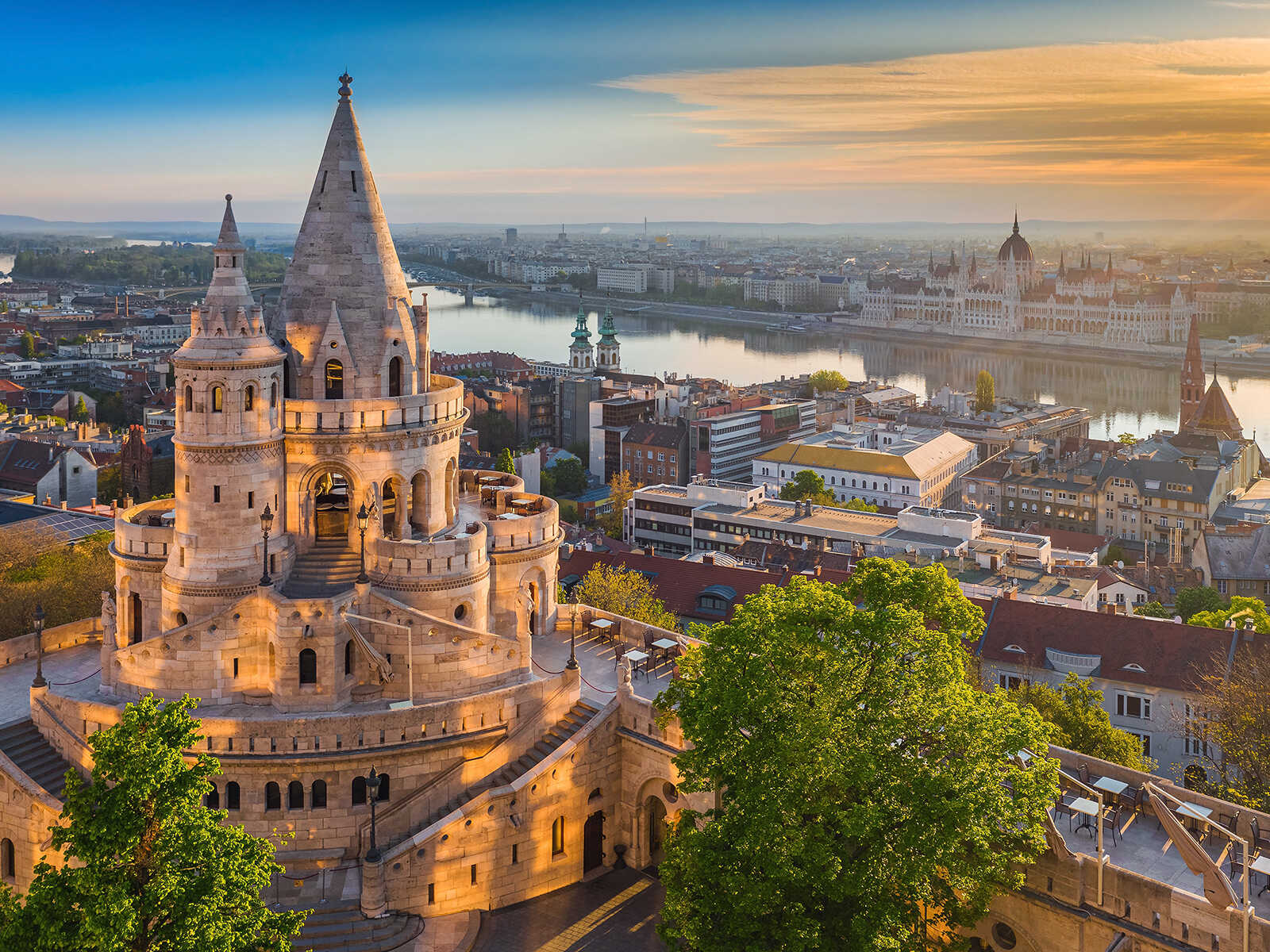
Hungary's long and complex history is etched into its diverse architecture, from Roman ruins to Ottoman mosques, medieval castles, and grand Austro-Hungarian edifices. Budapest itself is an open-air museum. Marvel at the Neo-Gothic splendor of the Hungarian Parliament Building, explore the historic Buda Castle complex, and enjoy panoramic views from the fairytale-like Fishermen’s Bastion. Climb up to the Citadella for another commanding vista of the city.
For those interested in 20th-century history, the House of Terror museum offers a poignant look at fascist and communist regimes, while Memento Park showcases statues and monuments from the communist era. The grand Hősök tere(Heroes' Square) stands as a testament to Hungary's national leaders and historical events.
Beyond Budapest, explore the spiritual grandeur of the Esztergom Basilica, one of the largest churches in Hungary, or the impressive Pécs Cathedral. The Royal Palace of Matthias Corvinus in Visegrád offers a glimpse into Renaissance royalty. In the west, Sopron's Fire Tower stands as a symbol of the city's rich past. The Great Hungarian Plain is home to the Hortobágyi National Park, where the traditions of the Hungarian cowboys (csikós) and native animal breeds are preserved.
Exploring Beyond Budapest: Regional Charms
While Budapest is undoubtedly a cultural hub, Hungary's regions offer diverse experiences. The "Hungarian Sea,"Lake Balaton, is a popular summer destination for swimming, sailing, and wine tasting. The historic city of Eger boasts a magnificent Castle of Eger and a renowned wine region famous for its "Bull's Blood" wine. For nature lovers, the Aggtelek National Park offers spectacular cave systems, a UNESCO World Heritage site.
Embracing Hungarian Hospitality
At the heart of Hungarian culture is a deep sense of hospitality. Hungarians are proud of their heritage and generally welcoming to visitors. Engaging with locals, trying a few basic Hungarian phrases, and participating in cultural experiences will undoubtedly enrich your journey and create lasting memories.
Conclusion
Hungarian culture is a captivating blend of ancient traditions, vibrant flavors, and a resilient spirit. From the soothing embrace of its thermal baths to the fiery zest of its paprika-infused cuisine and the heartwarming charm of its folk customs, Hungary invites you to discover a truly unique and enriching travel experience. Explore its historic cities, vibrant countryside, and immerse yourself in the warmth of its people.