
Getting Around Hungary: A Guide to Public Transportation, Trains & Driving
Navigating Hungary is an integral part of experiencing its rich history, vibrant cities, and stunning natural landscapes. Whether you prefer the efficiency of public transport, the scenic routes of train travel, or the freedom of driving, Hungary offers a diverse range of options to suit every traveler's style. This guide will help you understand the best ways to explore this captivating Central European nation.
Public Transportation in Hungarian Cities
Hungary's cities, particularly Budapest, boast efficient and extensive public transportation networks. While Budapest offers a comprehensive system, smaller cities generally rely on bus services.
Budapest: A Hub of Urban Mobility
Budapest's public transport system, operated by BKK (Centre for Budapest Transport), is a reliable and easy way to get around the sprawling capital. It comprises:
- Metro:Four lines crisscross the city, connecting major hubs and attractions. Line M1 (the Millennium Underground) is the oldest underground railway in mainland Europe, offering a charming journey to sites like Hősök tere and the Széchenyi Thermal Bath.
- Trams:Iconic yellow trams are a fantastic way to see the city. Tram lines 2 and 4/6 are particularly popular with tourists, offering scenic routes along the Danube or through bustling boulevards.
- Buses & Trolleybuses:An extensive network covers areas not reached by metro or tram, including uphill to the Citadella and providing connections to places like Memento Park.
- HÉV (Suburban Railway):These trains connect Budapest with surrounding towns, such as Szentendre, home to the Szentendre Skanzen Village Museum.
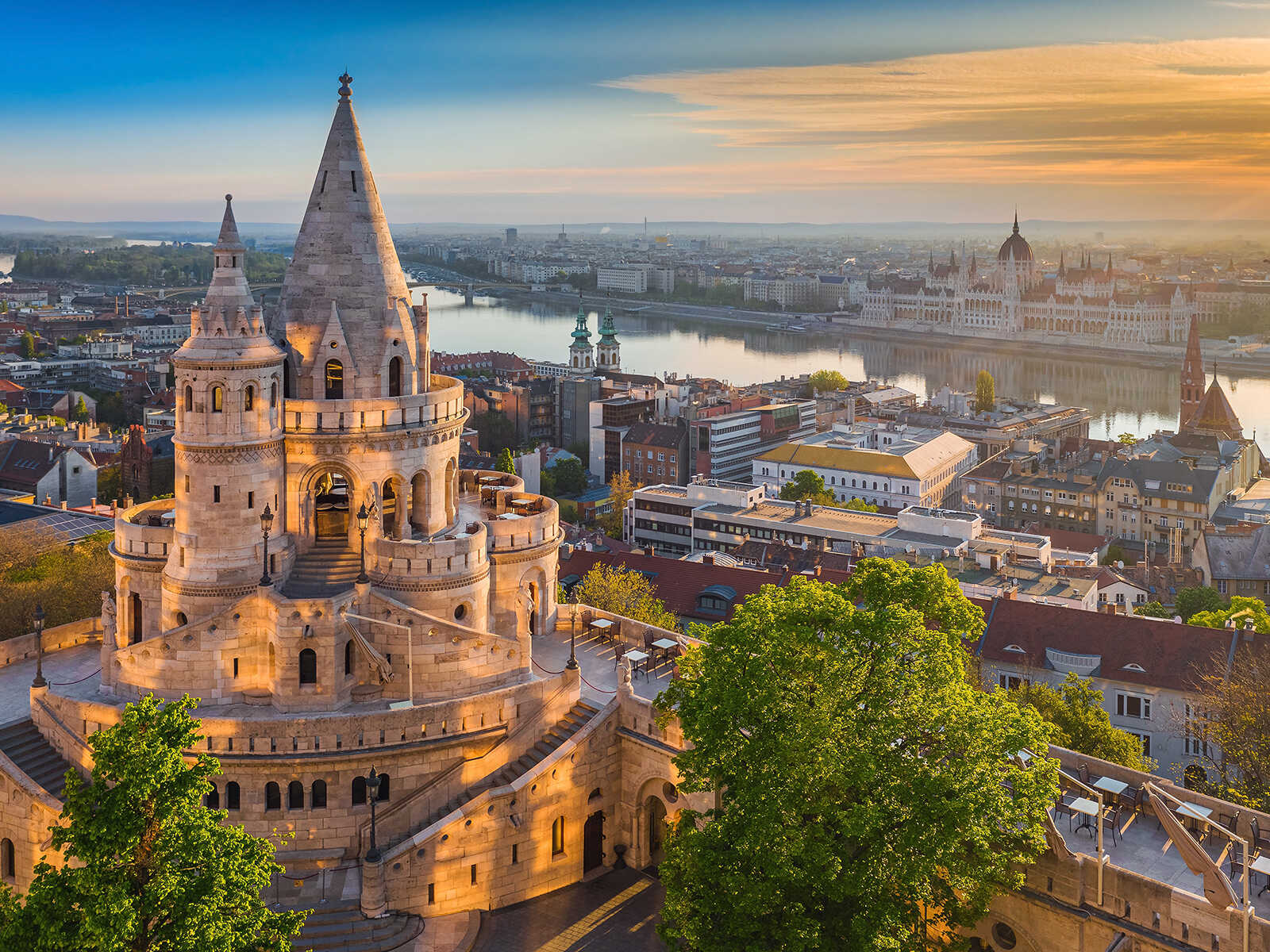
- Funicular & Chairlift:While not part of the standard public transport network, the Buda Castle Funicular offers a quick ascent to Buda Castle and the Fishermen’s Bastion, and the Zugliget Chairlift provides scenic views.
Tickets & Travelcards:Various ticket options are available, from single tickets to daily, 3-day, 7-day, and monthly passes. The Budapest Card also offers unlimited travel along with discounts on attractions. Remember to validate your ticket upon boarding or entering a metro station. Unvalidated tickets can result in fines.
Major attractions like the Hungarian Parliament Building,House of Terror, and the lively Váci u. are all easily accessible via Budapest's public transport network.
Public Transport in Other Hungarian Cities
Beyond Budapest, most Hungarian cities like Pécs, Szeged, or Debrecen primarily rely on local bus networks. These are generally efficient for getting around city centers and to major points of interest, such as the Pécs Cathedral. Tickets can usually be purchased from kiosks, at the bus station, or directly from the driver (often at a slightly higher price).
Trains in Hungary: Scenic & Efficient Intercity Travel
Hungary's national railway company, MÁV-START, operates a comprehensive train network connecting most major towns and cities. Train travel is often a comfortable and scenic way to explore the country.
- InterCity (IC) Trains:These are the fastest and most comfortable options, connecting Budapest with larger regional centers like Pécs, Szeged, Debrecen, and Eger (near the Castle of Eger). A seat reservation is usually required for IC trains.
- Regional Trains:Slower but more frequent, regional trains serve smaller towns and villages, offering a more local experience. They are ideal for trips to destinations such as Lake Balaton or the historic city of Esztergom, home to the impressive Esztergom Basilica.
Booking Tickets:Tickets can be purchased online via the MÁV-START website, at train stations, or through vending machines. Buying in advance is advisable for popular routes, especially during peak season. Always validate your ticket if required, or ensure it's stamped/checked by a conductor on board.
Travel Tip:Hungary's railway network offers a unique perspective on the country's diverse landscapes, from the Great Hungarian Plain to the rolling hills of Transdanubia. Consider a train journey for a relaxed and picturesque travel experience.
Buses in Hungary: Reaching Every Corner
While trains connect major cities, Hungary's national bus company, Volánbusz, fills in the gaps, providing extensive coverage to nearly every town and village, including those not served by rail. Buses are often the only public transport option for reaching more remote areas like Hortobágyi National Park or Aggtelek National Park.
- Intercity Buses:These connect towns and cities, sometimes offering more direct routes than trains for certain journeys, or simply serving different destinations.
- Local & Regional Buses:Crucial for accessing smaller settlements and rural attractions.
Booking Tickets:Bus tickets can be bought at bus stations (look for "Autóbusz-állomás"), from the driver (for a slightly higher fare), or online for longer-distance routes. It's wise to arrive at the bus station a bit early, especially for popular routes or during busy times.
Driving in Hungary: Freedom and Flexibility
Renting a car in Hungary offers unparalleled flexibility, allowing you to explore at your own pace and reach off-the-beaten-path destinations like the thermal waters of Lake Hévíz or the scenic roads to the Royal Palace of Matthias Corvinus in Visegrád.
Requirements & Road Rules:
- Driving License:An EU driving license is valid. For non-EU citizens, an International Driving Permit (IDP) alongside your national license is strongly recommended and often required by rental companies and law enforcement.
- Road Quality:Major highways (motorways) are generally well-maintained. Secondary roads can vary in quality, especially in rural areas.
- Vignette (Toll Sticker):Hungary uses an electronic vignette system for motorways. You must purchase an e-vignette before driving on motorways. These can be bought online, at petrol stations, or border crossings. Failure to have a valid vignette results in heavy fines.
- Speed Limits:Generally, 50 km/h in urban areas, 90 km/h on main roads, 110 km/h on expressways, and 130 km/h on motorways.
- Headlights:Dipped headlights are mandatory outside built-up areas, even during the day.
- Alcohol Limit:Hungary has a strict zero-tolerance policy for alcohol consumption while driving.
- Parking:Parking in Budapest and other large cities can be challenging and expensive. Look for paid parking zones or garages.
Other Transportation Options
- Cycling:Hungary is increasingly bike-friendly, especially in rural areas and around Lake Balaton, which has excellent cycling paths. Budapest also has a public bike-sharing system (MOL Bubi).
- Taxis & Ride-Sharing:Taxis are readily available in cities. Always use official taxis or reputable ride-sharing apps (like Bolt in Budapest). Agree on a price or ensure the meter is running to avoid overcharging.
- Boats:During warmer months, ferries operate on Lake Balaton, and various boat trips are available on the Danube in Budapest, offering unique perspectives of the city.
General Tips for Getting Around Hungary
- Plan Ahead:Use online journey planners like Google Maps, the BKK Futár app (for Budapest), or the MÁV-START and Volánbusz websites for intercity travel.
- Language:While English is spoken in tourist areas, especially in Budapest, having a translation app or basic Hungarian phrases can be helpful, particularly in rural areas.
- Hungary Card/Budapest Card:If you plan extensive travel and sightseeing, consider purchasing a tourist card that includes unlimited public transport and discounts.
No matter your preferred mode of transport, Hungary offers a diverse and accessible network to help you discover its many treasures. Enjoy your journey!