
Where to Stay in Lake Atitlán: Best Towns & Accommodation Guide
Nestled in the highlands of Guatemala,Lake Atitlán is a breathtaking volcanic crater lake surrounded by picturesque villages, each with its own unique charm and offerings. Choosing where to stay can significantly shape your experience, whether you seek vibrant nightlife, serene spiritual retreats, or deep cultural immersion.
This guide will help you navigate the diverse options, ensuring you find the perfect base for your Guatemalan adventure. From bustling hubs to tranquil lakeside havens, discover the best towns and accommodation types that cater to every traveler's preference and style.
Understanding Lake Atitlán's Vibe
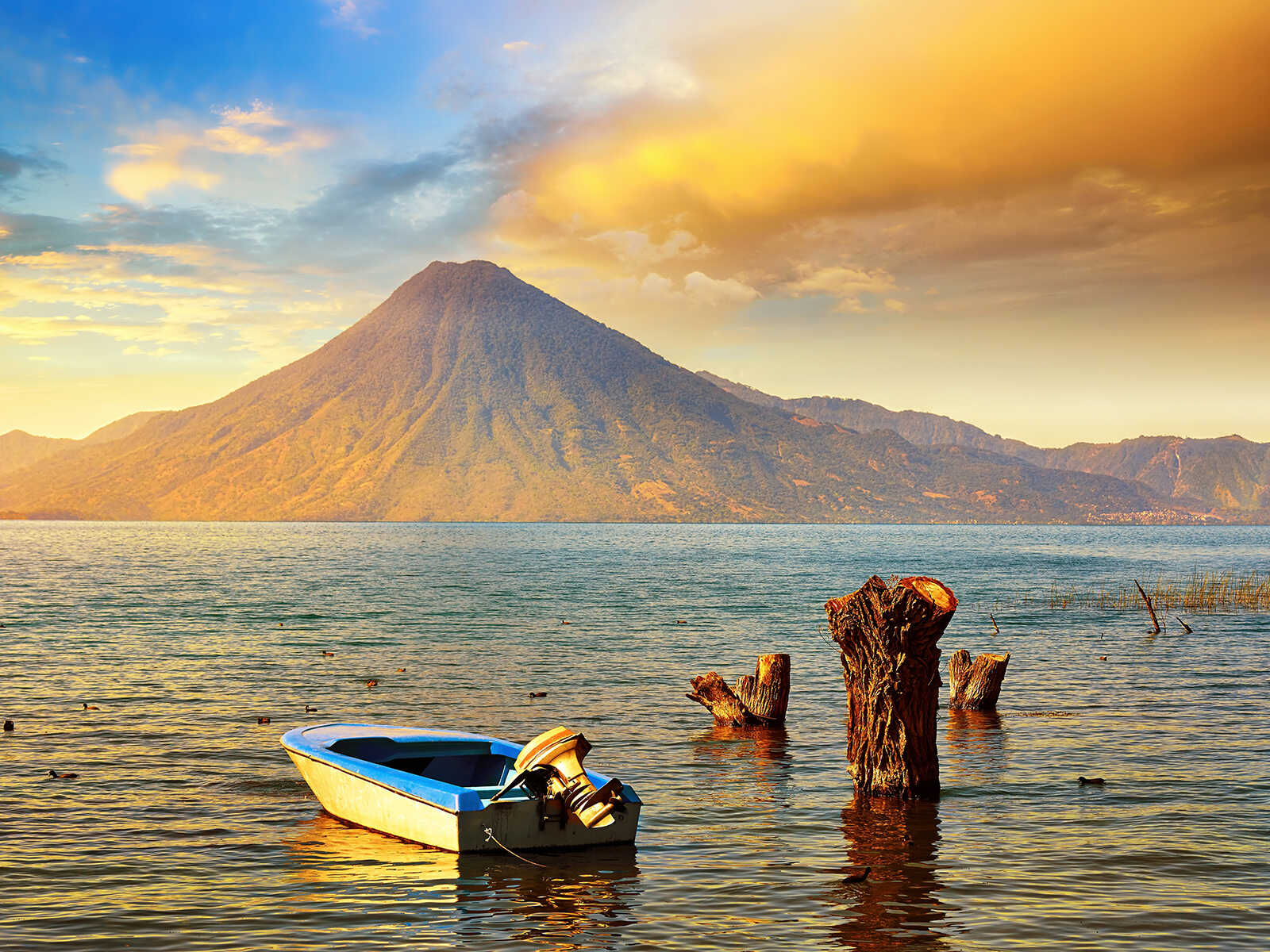
Lake Atitlán is not just a destination; it's an experience. Often hailed as one of the most beautiful lakes in the world, it's flanked by three majestic volcanoes – Atitlán, Tolimán, and San Pedro – and dotted with a dozen indigenous Mayan villages. Each village offers a distinct atmosphere, making it crucial to understand what you're looking for before settling on a place to stay.
Consider your priorities: Are you traveling solo, with family, or as a couple? Do you prefer a lively atmosphere or quiet contemplation? Are you seeking cultural immersion, adventure, or relaxation? The lake offers it all, but concentrated in different areas.
Key Towns & Villages Around Lake Atitlán
Panajachel: The Gateway Town
Panajachel, often simply called "Pana," is the most accessible and developed town on the lake. It serves as the primary gateway, with frequent bus connections from major cities like Antigua and Guatemala City. This bustling hub offers a wide range of services, making it a convenient base for many visitors.
- Vibe:Lively, commercial, convenient, good for first-timers.
- Who it's for:Travelers seeking easy access, a wide array of amenities, and a starting point for exploring other villages. Families and those on shorter trips often find Pana ideal.
- Attractions:Calle Santander (main street) for shopping, restaurants, bars, ATMs, and tour operators. Access to local markets and boat docks for onward travel.
- Accommodation:You'll find everything from budget-friendly hostels and guesthouses to mid-range hotels and a few more upscale options, many offering lake views.
San Pedro La Laguna: The Backpacker's Hub
Located on the southwestern shore,San Pedro La Lagunais renowned for its vibrant backpacker scene, affordable living, and numerous Spanish language schools. It's a popular choice for budget travelers and those looking to stay for an extended period.
- Vibe:Energetic, social, budget-friendly, party-oriented in some areas.
- Who it's for:Backpackers, young travelers, students, and those seeking a lively social scene with plenty of opportunities for nightlife and meeting other travelers.
- Attractions:Spanish schools, hiking Volcán San Pedro, vibrant nightlife, cheap eats, and easy access to other towns by boat.
- Accommodation:Dominated by hostels and very affordable guesthouses. There are also some charming boutique hotels emerging.
San Juan La Laguna: The Artisan Village
Just a short tuk-tuk ride from San Pedro,San Juan La Lagunaoffers a stark contrast with its focus on art, culture, and community tourism. It's known for its indigenous cooperatives, particularly weaving and painting.
Travel Tip:San Juan is an excellent place to support local artisans directly. Many cooperatives offer demonstrations of natural dyeing and traditional weaving techniques.
- Vibe:Authentic, artistic, calm, culturally rich.
- Who it's for:Travelers interested in cultural immersion, ethical tourism, art, and a more peaceful environment than San Pedro.
- Attractions:Art galleries, weaving cooperatives, herbal medicine gardens, coffee tours, and stunning murals depicting Mayan life.
- Accommodation:Mostly charming guesthouses and smaller, locally run hotels.
Santiago Atitlán: Traditional Mayan Heartbeat
The largest of the lakeside towns,Santiago Atitlánis steeped in tradition and Mayan culture. It's famous for its unique blend of Catholic and indigenous religious practices, particularly the veneration of Maximón, a folk saint.
- Vibe:Deeply traditional, bustling local life, less tourist-centric than Pana or San Pedro.
- Who it's for:Travelers seeking a truly authentic cultural experience, history buffs, and those interested in indigenous customs.
- Attractions:Maximón's shrine (its location changes annually), the beautiful church, local market, and vibrant street life. This town is also a good base for visiting the Chichicastenango Market on market days (Thursdays and Sundays), though Panajachel is often preferred for its direct transport.
- Accommodation:A mix of simple guesthouses and a few more established hotels, often with a focus on cultural immersion.
San Marcos La Laguna: The Spiritual Haven
San Marcos La Lagunahas earned a reputation as the lake's spiritual and wellness capital. It attracts yogis, meditators, healers, and those seeking personal growth and a bohemian lifestyle.
- Vibe:Tranquil, spiritual, bohemian, wellness-focused.
- Who it's for:Individuals interested in yoga, meditation, alternative therapies, healthy living, and a relaxed, introspective atmosphere.
- Attractions:Numerous yoga studios, meditation centers, holistic workshops, vegan/vegetarian eateries, and a peaceful ambiance.
- Accommodation:Predominantly eco-lodges, boutique hotels with wellness programs, and charming guesthouses.
Santa Cruz La Laguna: Secluded Beauty
Accessible primarily by boat,Santa Cruz La Lagunaoffers stunning views, excellent hiking opportunities, and a more secluded, peaceful experience compared to the larger towns. Its upper village, Santa Cruz de la Sierra, is home to a vibrant indigenous community.
- Vibe:Quiet, peaceful, scenic, ideal for relaxation and outdoor activities.
- Who it's for:Couples, families, hikers, and those looking to disconnect and enjoy nature.
- Attractions:Hiking trails between villages, snorkeling/diving in the lake, and the CECAP vocational school offering culinary experiences.
- Accommodation:A few exquisite eco-lodges and guesthouses, often with breathtaking lake views and private docks.
Jaibalito: The Remote Escape
Even more secluded than Santa Cruz,Jaibalitois a tiny village with very limited amenities, accessible almost exclusively by boat. It's perfect for those who truly want to get away from it all.
- Vibe:Extremely quiet, remote, exclusive, serene.
- Who it's for:Travelers seeking ultimate tranquility, privacy, and a luxurious escape.
- Attractions:Essentially, the peace and quiet, stunning views, and the opportunity to truly relax.
- Accommodation:Home to some of the most luxurious and secluded hotels and private rentals on the lake.
Types of Accommodation on Lake Atitlán
Regardless of the town you choose,Lake Atitlán offers a diverse range of accommodation styles to suit every budget and preference:
- Hostels:Abundant in San Pedro and Panajachel, offering dormitory beds and private rooms for budget travelers and social butterflies.
- Guesthouses (Hospedajes):Family-run establishments offering simple, often charming, rooms with a local feel. Found in almost every village.
- Boutique Hotels:Stylish and often uniquely designed hotels, typically offering more personalized service and amenities. Common in San Marcos, Santa Cruz, and Panajachel.
- Eco-lodges:Environmentally conscious accommodations, often nestled in nature with a focus on sustainability and tranquility. Prevalent in San Marcos, Santa Cruz, and Jaibalito.
- Vacation Rentals:From charming lakeside bungalows to luxurious villas, many properties are available for short-term rentals, ideal for families or longer stays.
Practical Tips for Your Stay
- Transportation:The primary mode of transport between villages is public "lanchas" (boats), which run frequently during daylight hours. Tuk-tuks are used for getting around within towns.
- Money:ATMs are most reliable in Panajachel and San Pedro. Many smaller villages operate on a cash-only basis, so it's wise to carry small denominations of Guatemalan Quetzales.
- Language:While Spanish is widely spoken, many indigenous communities also speak various Mayan languages. Learning a few basic Spanish phrases will enhance your experience.
- Safety:Lake Atitlán is generally safe, but like any travel destination, exercise common sense. Avoid walking alone at night, especially between villages, and be aware of your belongings.
- Connectivity:Wi-Fi is available in most accommodations and many cafes, particularly in the more developed towns. However, be prepared for intermittent service in more remote areas.
Choosing where to stay on Lake Atitlán is the first step in crafting your unforgettable Guatemalan journey. Each village offers a distinct flavor, promising a unique and enriching experience tailored to your travel desires.