
Is Guatemala Safe for Travelers? Essential Safety Tips & Advice
Guatemala, a country brimming with ancient Mayan history, vibrant indigenous culture, and breathtaking natural landscapes, captivates countless travelers each year. While concerns about safety are common for any new destination, with proper preparation and awareness, Guatemala offers an incredibly rewarding and secure travel experience.
This comprehensive guide aims to equip you with essential safety tips and practical advice, helping you navigate Guatemala confidently and enjoy its unparalleled beauty.
Understanding Guatemala's Safety Landscape
Like many developing nations, Guatemala has its share of socio-economic challenges, which can sometimes manifest in crime, particularly in larger urban centers and less-frequented areas. However, tourist destinations are generally well-accustomed to international visitors and often have enhanced security measures.
It’s crucial to understand that the vast majority of visits are trouble-free. The key to a safe trip lies in exercising common sense, being aware of your surroundings, and taking proactive precautions, rather than allowing fear to overshadow the country's incredible appeal.
General Safety Precautions for Travelers
Before You Go
- Research Thoroughly:Stay informed about the regions you plan to visit. Check travel advisories from your home country's government.
- Travel Insurance:Always invest in comprehensive travel insurance that covers medical emergencies, theft, and trip cancellations.
- Consult Your Embassy:Register your travel plans with your embassy or consulate. They can provide assistance in emergencies.
- Vaccinations:Consult your doctor about recommended vaccinations and any necessary preventative medications.
While You're There
- Situational Awareness:Be mindful of your surroundings, especially in crowded places like markets or bus terminals. Avoid walking alone at night.
- Protect Valuables:Don't flash expensive jewelry, cameras, or electronics. Keep your phone out of sight when not in use. Use a money belt for cash, passports, and important documents.
- Documents & Copies:Keep photocopies or digital copies of your passport and other important documents separate from the originals. Leave your physical passport in a secure place at your accommodation, carrying a photocopy.
- Inform Someone:Let a trusted person know your itinerary and check in regularly.
- Transportation:Opt for reputable shuttle services or pre-arranged private transport, especially for inter-city travel. While local "chicken buses" offer a unique cultural experience, they can sometimes be targets for petty crime and are less safe on winding roads.
- Night Safety:Avoid walking alone at night, even in seemingly safe areas. Use registered taxis or ride-sharing apps (where available) after dark.
- ATMs:Use ATMs located inside banks or major shopping centers during daylight hours. Be discreet and vigilant.
- Drugs and Alcohol:Avoid illicit drugs. Be cautious with alcohol consumption, especially in unfamiliar settings, and never leave drinks unattended.
- Watch for Scams:Be wary of overly friendly strangers offering unsolicited help or advice, as they may be attempting to distract you or lead you into a scam.
Traveler's Insight:"The warmth and hospitality of the Guatemalan people are truly unforgettable. Engaging with locals respectfully and speaking a few words of Spanish can greatly enhance your experience and even your safety."
Navigating Specific Regions and Destinations
Antigua
The colonial gem of Antigua is generally very safe for tourists. The city center is well-policed, particularly around popular landmarks like the Santa Catalina Arch. However, pickpocketing can occur in crowded areas, and it's best to avoid walking on unlit streets outside the main tourist core after dark.
Lake Atitlán
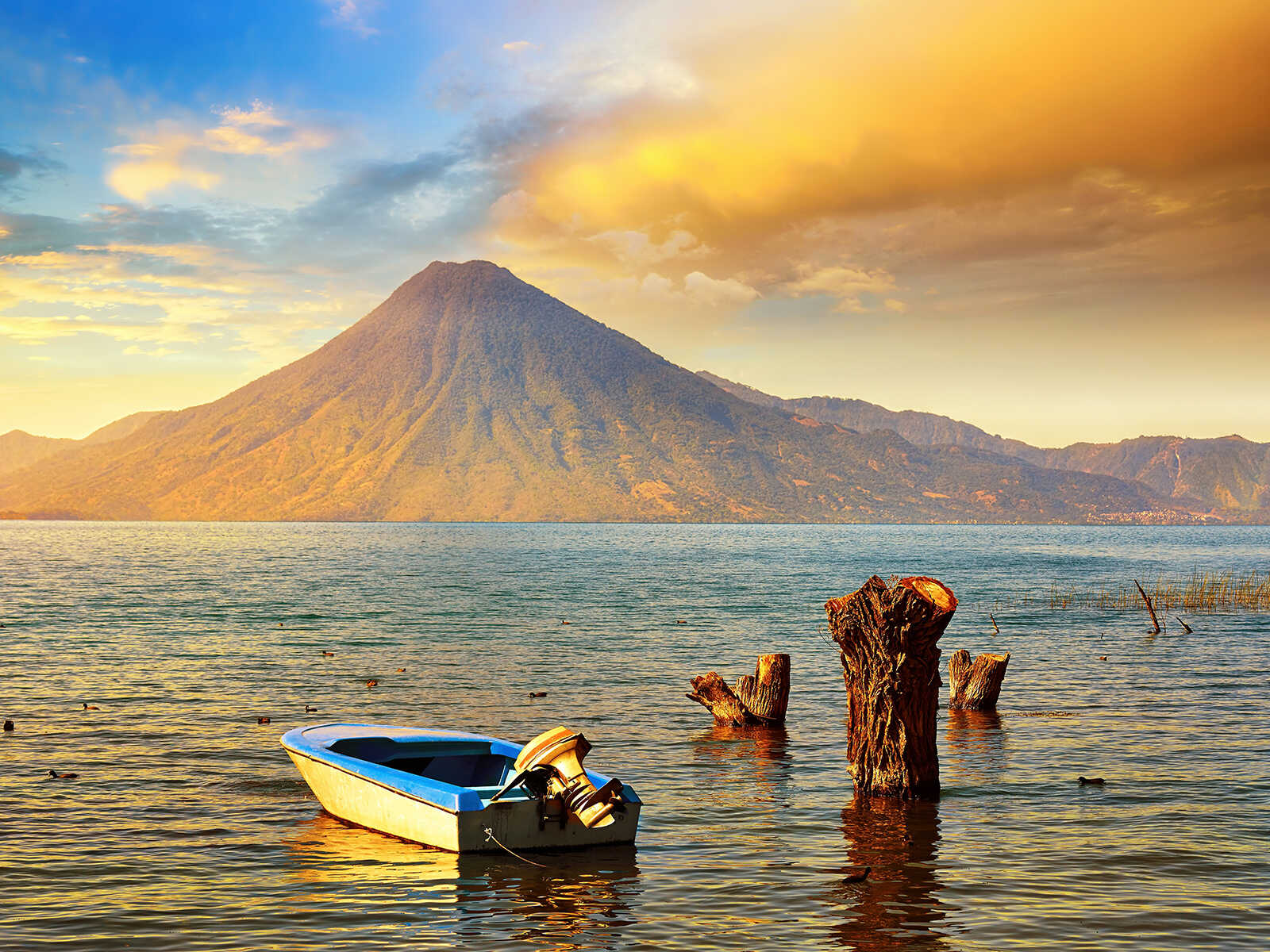
The villages surrounding Lake Atitlán are popular and mostly safe during the day. Water taxis (lanchas) are the primary mode of transport between villages. Avoid traveling between villages by boat after sunset, as this can be riskier. Stick to well-trafficked areas and be mindful of your belongings.
Petén Region (Tikal, Yaxha)
The vast Petén region, home to the magnificent Mayan ruins of Tikal and Yaxha National Park, is best explored with organized tours and reputable transport. These archaeological sites are usually very secure. When visiting other historical sites like the Acropolis of Quirigua, ensure your transport is pre-arranged and reliable. Traveling on your own through remote parts of Petén can be risky.
Quetzaltenango (Xela) & Western Highlands
Quetzaltenango (Xela) is Guatemala's second-largest city and a hub for Spanish language schools. It's generally safe during the day, but exercise caution, especially at night. When visiting nearby attractions like the Chichicastenango Market, be extra vigilant with your belongings due to large crowds.
Semuc Champey & Cobán
The journey to the Natural Monument Semuc Champey, near Cobán, involves remote and sometimes challenging roads. It's highly recommended to visit as part of an organized tour with a trusted operator. This ensures secure transport and guides who know the area well.
Pacific Coast (Monterrico)
The black sand beaches of Monterrico offer a relaxed vibe. The main safety concerns here relate to strong rip currents in the ocean, so always swim with caution and observe warning flags. Be aware of your belongings on the beach, especially when unattended.
Rio Dulce & Livingston
The Rio Dulce area and the Garifuna town of Livingston are generally safe for tourists, especially when traveling by boat. Ensure your boat operator is reputable and that life jackets are available. Be mindful of your belongings in crowded areas or on public docks.
Volcano Hikes (Acatenango, Pacaya)
Hiking active volcanoes like Acatenango and Pacaya are incredible experiences but should always be done with a certified and reputable guide. Guides are essential for navigation, safety from environmental hazards, and security. Never attempt these hikes independently. More remote natural attractions like Chicabal Lake or Lachuá Lake also require local guides or organized tours due to their secluded nature.
Transportation Safety in Guatemala
Choosing your mode of transport wisely is a key aspect of safety in Guatemala. While "chicken buses" (converted American school buses) are an iconic part of Guatemalan culture and incredibly cheap, they are generally not recommended for tourists due to safety concerns, including reckless driving and potential for crime. For inter-city travel, opt for tourist shuttles, first-class buses (Pullman-style), or private transfers, which are significantly safer and more comfortable.
Within cities, use registered taxis or ride-sharing apps like Uber (available in Guatemala City and Antigua). Always confirm the fare before starting a taxi journey. Avoid driving yourself if possible, as road conditions can be poor, signage limited, and local driving habits aggressive.
Health & Environmental Safety
- Water & Food:Drink only bottled or purified water. Be cautious with street food and ensure all food is cooked thoroughly.
- Sun Protection:The Guatemalan sun can be intense. Use high SPF sunscreen, wear a hat, and seek shade, especially between 10 AM and 4 PM.
- Insect Repellent:Carry insect repellent, especially in tropical regions, to protect against mosquito-borne diseases like dengue or malaria (consult your doctor for specific recommendations).
- Altitude Sickness:Cities like Antigua and Quetzaltenango are at high altitudes. Take it easy on your first day, stay hydrated, and avoid excessive alcohol to prevent altitude sickness.
- Medical Facilities:Major cities have private hospitals and clinics that offer good care, but in rural areas, facilities may be limited. Ensure your travel insurance covers medical evacuation.
Cultural Sensitivity & Local Interactions
Respect for local customs and traditions goes a long way in ensuring a positive and safe experience. Dress modestly, especially in religious sites and indigenous communities. Always ask permission before taking photos of people, particularly children. Learning a few basic Spanish phrases can open doors and show respect for the local culture.
Emergency Contacts & Resources
- Tourist Assistance (INGUAT):The Guatemalan Tourism Institute (INGUAT) offers tourist assistance. You can find their contact information on their official website.
- Local Police:Dial 110 or 120 for general police assistance.
- Your Embassy:Keep your embassy's emergency contact details handy.
Final Thoughts: Is Guatemala Safe?
The answer, unequivocally, is yes – with smart travel practices and a healthy dose of common sense. Guatemala is a country of profound beauty, rich history, and incredibly kind people. By following these essential safety tips and advice, you can mitigate risks and fully immerse yourself in the magic of this Central American jewel. Don't let exaggerated fears deter you from experiencing the vibrant culture, ancient wonders, and stunning landscapes that await you in Guatemala.