
Best Time to Visit Guatemala: Weather & Travel Seasons Guide
Guatemala, a vibrant tapestry of ancient Mayan culture, stunning volcanic landscapes, and lush rainforests, captivates travelers year-round. Deciding the best time to visit often hinges on understanding its unique climate patterns, which dictate everything from trail conditions to festival calendars. This guide will help you navigate Guatemala's weather and travel seasons to plan your perfect adventure.
Understanding Guatemala's Climate: A Land of Eternal Spring (and More!)
Guatemala’s climate is largely defined by two distinct seasons: the dry season (known asverano, or summer) and the rainy season (invierno, or winter). However, due to its diverse topography, encompassing high-altitude plateaus, tropical lowlands, and coastal regions, local weather can vary significantly. While the central highlands often enjoy a temperate "eternal spring" climate, the Pacific and Caribbean coasts are hot and humid, and the northern Petén region experiences tropical heat.
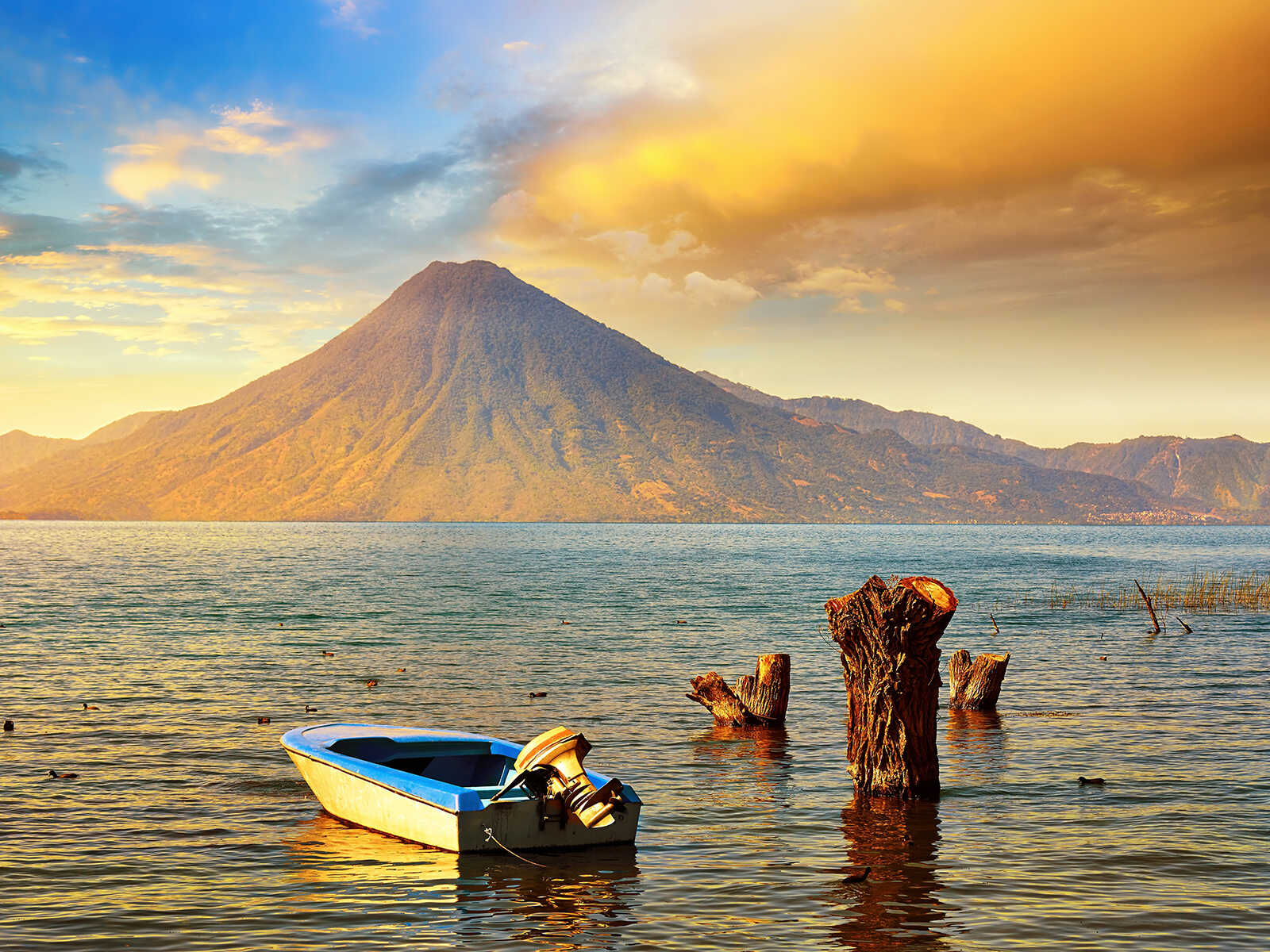
Fun Fact:Despite being a tropical country, Guatemala's high altitudes mean that temperatures in places like Lake Atitlán and Antigua can drop significantly at night, often requiring a jacket even in the dry season.
The Dry Season (November to April): Guatemala's Peak Travel Time
Considered by many to be the best time to visit, the dry season offers abundant sunshine, lower humidity, and more comfortable temperatures, especially in the highlands.
Weather Characteristics
- Sunshine:Predominantly clear, sunny days across most of the country.
- Rainfall:Minimal to no rain, especially from January to March.
- Temperature:Warm days, cooler evenings and nights in the highlands. Coastal and lowland areas remain hot.
- Humidity:Noticeably lower, making outdoor activities more pleasant.
Pros of Visiting During the Dry Season
- Ideal for Outdoor Activities:Perfect for hiking volcanoes like Acatenango or Pacaya, exploring Mayan ruins such as Tikal and Yaxha National Park, and enjoying the markets of Chichicastenango Market.
- Easier Travel:Roads are generally in better condition, and travel between destinations is smoother.
- Festivals:Coincides with major holidays like Christmas, New Year's, and the spectacular Semana Santa (Easter) celebrations in Antigua, centered around landmarks like the Santa Catalina Arch.
Cons of Visiting During the Dry Season
- Crowds:This is peak tourist season, meaning popular sites and towns can be crowded.
- Higher Demand:Accommodation and tour prices may be higher, and booking in advance is essential, especially around major holidays.
- Dust:Some unpaved roads can become dusty.
Specific Month Details During the Dry Season
- November - December:A beautiful transition period as the rains subside. Lush landscapes, pleasant temperatures. Ideal for festive holiday travel.
- January - February:The heart of the dry season. Coolest temperatures in the highlands, perfect for strenuous hikes and cultural exploration.
- March - April:Warmer across the country as the dry season progresses. Can be very hot in the lowlands. Semana Santa usually falls in late March or April, making it a vibrant but busy time.
The Rainy Season (May to October): A Lush, Quieter Experience
Often referred to as the "green season," the rainy season brings a different kind of beauty to Guatemala. Don't let the name deter you; rain usually comes in predictable afternoon downpours, leaving mornings clear and sunny.
Weather Characteristics
- Rainfall:Afternoon showers are common, varying in intensity. September and October often see the heaviest rains.
- Sunshine:Mornings are typically bright and clear, with clouds building up in the afternoon.
- Temperature:Warmer overall than the dry season, especially in the highlands, with higher humidity.
- Lushness:The country transforms into a vibrant green landscape.
Pros of Visiting During the Rainy Season
- Fewer Crowds:Generally, fewer tourists, allowing for a more intimate experience at popular sites.
- Lush Landscapes:The scenery is incredibly vibrant and green, especially around waterfalls and natural pools like Natural Monument Semuc Champey and Lachuá Lake.
- Lower Prices:Accommodation and some tour prices may be more affordable.
- Photography:The dramatic cloud formations and vibrant colors offer fantastic photographic opportunities.
Cons of Visiting During the Rainy Season
- Travel Disruptions:Unpaved roads can become muddy and challenging, potentially leading to delays or difficult access to remote areas.
- Humidity:Higher humidity can be less comfortable for some travelers.
- Mosquitoes:More prevalent, especially in lowland areas.
- Hurricane Season:While Guatemala is not typically in the direct path of hurricanes, the Caribbean coast (Livingston,Rio Dulce) can be affected by tropical storms, especially in September and October.
Specific Month Details During the Rainy Season
- May - June:The start of the rains. Often characterized by short, refreshing showers. Still a great time to visit before the peak of the season.
- July - August:Mid-rainy season, but often experiences a "canícula" – a mini-dry spell of a week or two with less rain. Popular for summer travel. Good for exploring the Rio Dulce area.
- September - October:Typically the wettest months. While mornings are often clear, afternoon deluges can be heavy and prolonged. Access to some remote areas might be challenging. This is also a good time to visit the Pacific coast, like Monterrico, for turtle nesting season.
Regional Weather Variations & Best Activities
Guatemala's diverse geography means weather can vary dramatically across its regions.
- Western Highlands (Antigua,Lake Atitlán, Quetzaltenango,Chichicastenango Market,Chicabal Lake):Enjoys a temperate "eternal spring" climate. Warm days (20-25°C / 68-77°F) and cool nights (10-15°C / 50-59°F). The dry season is ideal for hiking, cultural tours, and exploring vibrant markets.
- Petén Lowlands (Tikal,Yaxha National Park, Flores,Acropolis of Quirigua):Hot and humid year-round, with daytime temperatures often exceeding 30°C (86°F). The dry season makes exploring ruins more comfortable due to less mud and fewer mosquitoes.
- Caribbean Coast (Livingston,Rio Dulce):Hot, humid, and receives more rainfall than other regions, even during the dry season. Best for exploring Garifuna culture, boat trips, and relaxing by the water.
- Pacific Coast (Monterrico):Hot and humid. Known for its black sand beaches and turtle nesting (May-October). The dry season is popular for beachgoers, while the rainy season is prime for wildlife viewing.
- Alta Verapaz (Cobán,Natural Monument Semuc Champey,Lachuá Lake):Characterized by a cloud forest environment, it's generally humid and receives significant rainfall throughout the year, especially from May to November. The natural beauty of these sites is stunning regardless of the season, though heavy rains can affect road conditions.
Festivals and Special Events
Guatemala's rich cultural calendar can also influence the best time to visit:
- Semana Santa (Holy Week):Typically in March or April. Antigua hosts some of the most elaborate and beautiful processions in the world, with intricate sawdust carpets. This is a truly unique experience but requires booking far in advance.
- Día de los Muertos (All Saints' Day):November 1st. Celebrated with unique traditions, including giant kite festivals in towns like Sumpango and Santiago Sacatepéquez.
- Christmas and New Year:Festive season, especially in Antigua and Guatemala City, with parades and fireworks.
Travel Tips for Any Season
- Pack Layers:Essential for Guatemala's varying microclimates. Even in the dry season, highland evenings can be chilly.
- Rain Gear:Always carry a lightweight rain jacket or umbrella, especially during the rainy season, but also as a precaution in the dry season.
- Sun Protection:The sun is strong year-round. Bring sunscreen, a hat, and sunglasses.
- Insect Repellent:Crucial for lowland and jungle areas, particularly during the rainy season.
- Book Ahead:Especially during the dry season and major holidays (Semana Santa, Christmas), accommodations and popular tours can fill up quickly.
- Be Flexible:During the rainy season, some travel plans might need minor adjustments due to weather or road conditions. Embrace the spontaneity!
Ultimately, the best time to visit Guatemala depends on your priorities. Whether you seek clear skies for volcano hikes and ancient ruins, or lush landscapes and fewer crowds, Guatemala offers a memorable experience in any season. Plan wisely, and prepare for an unforgettable journey into the heart of the Mayan world.