
Easter in Greece: Traditions, Celebrations, & Travel Tips
Experience Easter in Greece, a deeply significant and spiritually rich celebration that offers a unique glimpse into Greek culture and Orthodox traditions. Beyond its religious importance, it's a vibrant time of year to witness centuries-old customs, indulge in festive feasts, and immerse yourself in the warmth of Greek hospitality.
Why Celebrate Easter in Greece?
Greek Orthodox Easter, known as "Pascha," is the most important religious holiday on the Hellenic calendar, often considered even more significant than Christmas. It's a time when families gather, ancient rituals are observed with reverence, and entire communities come alive with a profound sense of anticipation and joy. Visiting during this period offers travelers an unparalleled opportunity to participate in authentic local life, observe fascinating traditions, and enjoy the beautiful spring weather as Greece awakens after winter.
The Holy Week: A Journey of Faith and Festivities
The preparations and celebrations for Easter span an entire week, known as "Megali Evdomada" or Holy Week, each day holding specific significance and customs.
Clean Monday (Kathara Deftera)
While not strictly part of Holy Week, Clean Monday marks the beginning of Great Lent, 40 days before Easter. It's a public holiday characterized by outdoor excursions, picnicking on Lenten foods (lagana bread, seafood, halva), and kite-flying, symbolizing the spiritual cleansing and lightness of the soul.
Holy Thursday (Megali Pempti)
This day is dedicated to the Last Supper. Greek households traditionally dye hard-boiled eggs a vibrant red, symbolizing the blood of Christ and his sacrifice. These "kokkina avga" are central to the Easter Sunday meal. Another beloved tradition is the baking of "tsoureki," a sweet, brioche-like bread often braided and decorated with a red egg.
Good Friday (Megali Paraskevi)
Good Friday is a solemn day of mourning. All church bells ring mournfully, and flags are flown at half-mast. In the evening, the "Epitaphios" (an intricately decorated bier representing Christ's tomb) is paraded through the streets of every town and village. This moving procession, accompanied by hymns and often led by local philharmonic bands, is a powerful experience. In Corfu, the Epitaphios processions are particularly elaborate and renowned, with unique musical accompaniments and multiple processions occurring simultaneously.
Travel Tip:If attending an Epitaphios procession, dress respectfully in dark colors and be prepared for crowds. It's a deeply moving event for Greeks.
Holy Saturday (Megalo Savvato)
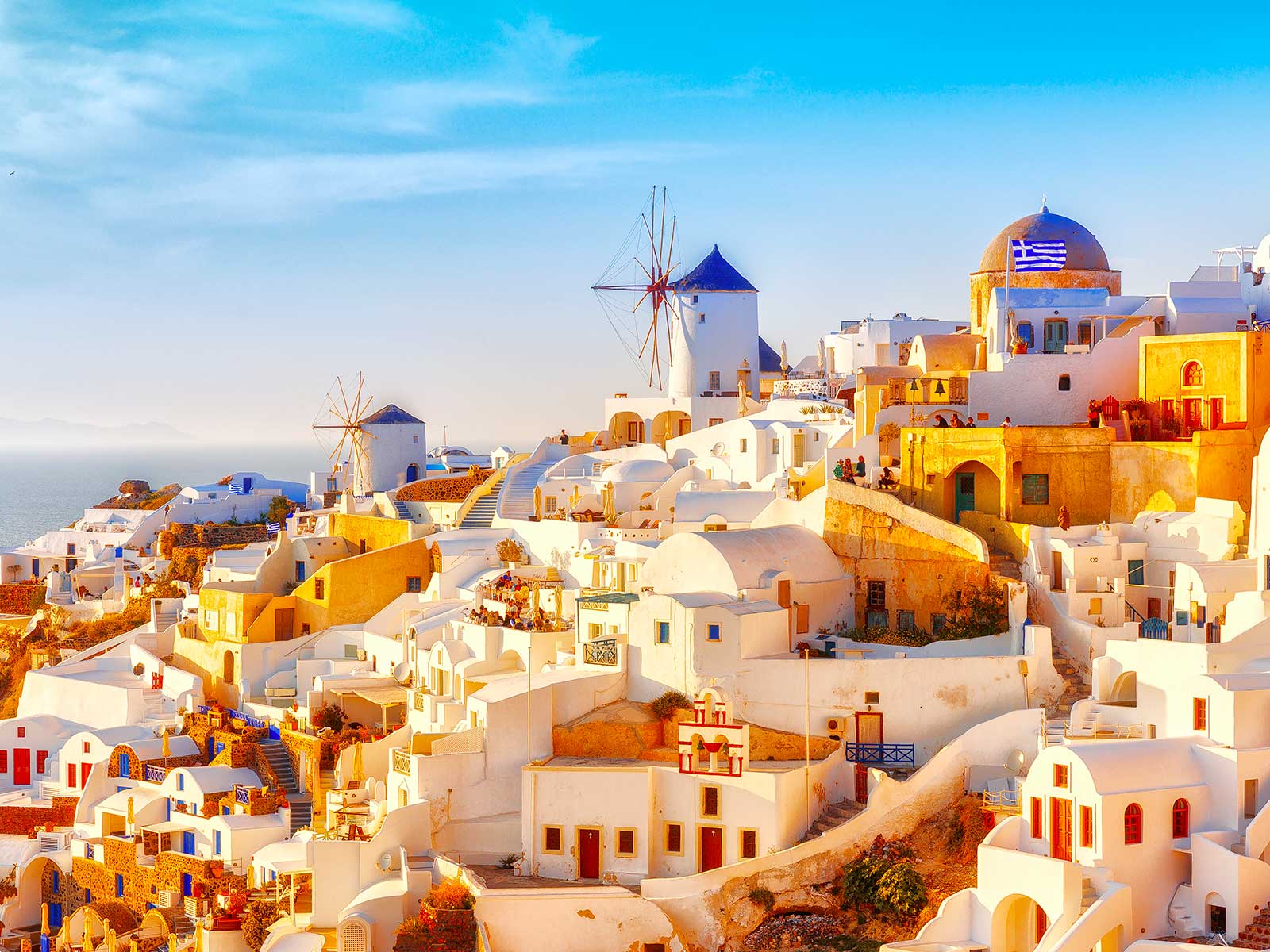
This is a day of anticipation. In the morning, the "First Resurrection" is celebrated with churches vigorously shaking their bells, and priests scattering laurel leaves. The highlight, however, is the Midnight Mass (Anastasi), which begins around 11 PM. Churches are packed, and just before midnight, the "Holy Light" (Fos) arrives from Jerusalem, distributed from candle to candle. At midnight, the priest proclaims "Christos Anesti!" (Christ is Risen!), and fireworks light up the sky. Everyone lights their candle from the Holy Light, carries it home, and uses its flame to make the sign of the cross above their doorway for good luck. The Lenten fast is broken with a traditional "magiritsa" soup. For a truly memorable experience, consider attending Midnight Mass in a picturesque setting like Santorini or a bustling city like Thessaloniki.
Easter Sunday (Kyriaki tou Paskha)
Easter Sunday is a day of immense joy, feasting, and celebration. Families gather, often outdoors, to roast a whole lamb or goat on a spit, a culinary centerpiece of the day. The red eggs are cracked in a game called "tsougrisma," where participants tap their eggs against others, and the person whose egg remains uncracked is said to have good luck for the year. Music, dancing, and abundant food and wine continue throughout the day. Exploring traditional villages in the Peloponnese offers an authentic taste of these family-centered celebrations.
Regional Easter Traditions
While core traditions are shared, many regions boast unique customs that add to the richness of Greek Easter.
Corfu's Botides
The island of Corfu is arguably the most famous for its distinctive Easter celebrations. On Holy Saturday morning, following the "First Resurrection," locals throw large clay pots (botides) filled with water from their balconies, smashing them in the streets below. This noisy and spectacular tradition symbolizes the expulsion of evil and the welcoming of spring and renewal.
Meteora's Spiritual Ambiance
While not a unique tradition, visiting Meteora during Easter offers a profoundly spiritual experience. The ancient monasteries perched atop dramatic rock formations provide an awe-inspiring backdrop for the solemnity of Holy Week and the joy of the Resurrection.
Nafplio's Elegant Celebrations
The charming town of Nafplio in the Peloponnese offers a more refined yet equally traditional Easter experience. Its picturesque old town and Venetian architecture provide a beautiful setting for the Epitaphios procession and the joyous Easter Sunday celebrations.
Essential Travel Tips for Easter in Greece
Planning a trip during Easter requires some foresight to ensure a smooth and memorable experience.
Check the Dates Carefully
Greek Orthodox Easter often falls on a different date than Western Christian Easter, sometimes by several weeks. Always verify the specific dates for Orthodox Easter when planning your trip.
Book in Advance
Easter is a peak travel period for Greeks, especially for popular destinations like Santorini,Mykonos,Corfu, or even mainland spots like Delphi. Accommodations, flights, and ferry tickets, particularly for islands, should be booked well in advance.
Transportation Considerations
Expect increased traffic and crowded public transport, especially around Good Friday and Holy Saturday. Ferry schedules may be adjusted, and some bus routes might have reduced frequency. If you plan to rent a car, book it early.
Embrace the Local Cuisine
During Lent, many Greeks observe a strict fast, meaning you'll find plenty of delicious vegan and seafood options. On Easter Sunday, prepare for a meat-centric feast, dominated by lamb. Don't miss trying the traditional "magiritsa" soup on Holy Saturday night.
Respect Local Customs
Easter is a deeply religious and cultural event. Dress modestly when visiting churches and during processions. Be mindful of the solemnity of Good Friday and the celebratory nature of Easter Sunday.
Weather
April and May in Greece typically bring pleasant spring weather, with blooming wildflowers and milder temperatures. However, it can still be cool in the evenings, especially in mountainous areas or early in the season, so pack layers.
Where to Experience Easter
Greece offers countless wonderful places to experience Easter, each with its unique charm.
Athens
The capital city provides a comprehensive Easter experience. Attend an Epitaphios procession in a historic neighborhood like Plaka, with the illuminated Acropolis as a backdrop. Many churches throughout Athens offer Midnight Mass, followed by fireworks.
The Greek Islands
For unique traditions,Corfu is unparalleled. For picturesque settings,Santorini offers breathtaking views during the Midnight Mass fireworks. Islands like Rhodes or Zakynthos also offer beautiful settings for traditional celebrations. Smaller, less touristy islands might offer an even more intimate, authentic experience.
Mainland Wonders
The spiritual majesty of Meteora provides an unforgettable setting for Easter. The historical towns of the Peloponnese, such as Nafplio or near ancient sites like Olympia, offer a chance to witness traditional village celebrations amidst stunning landscapes. Consider a visit to Delphi for a blend of ancient history and modern traditions.
Celebrating Easter in Greece is more than just a holiday; it's an immersive cultural journey that deepens your understanding of Hellenic traditions and spiritual life. From the solemn processions of Good Friday to the joyous feasts of Easter Sunday, it’s a time of profound beauty, community, and unforgettable memories. Plan your trip to witness this extraordinary period and experience the heart and soul of Greece.