
Day Trips from Siem Reap: Beyond Angkor Wat's Temples
While the majestic temples of Angkor Wat rightly draw visitors from across the globe, Siem Reap offers a captivating gateway to explore Cambodia's diverse landscapes, rich culture, and history beyond the ancient city. Venture further afield to discover hidden gems, serene natural wonders, and poignant insights into Cambodian life.
Why Explore Beyond Angkor?
Stepping away from the main Angkor Wat complex allows you to experience a different side of Cambodia. These day trips offer a chance to engage with local communities, witness stunning natural beauty, delve deeper into the country's past, and appreciate the resilience and spirit of its people. It's an opportunity to enrich your understanding of this incredible nation.
Enchanting Waterways and Floating Villages
Tonlé Sap Lake: A Glimpse into Rural Life
The vast Tonlé Sap Lake, Southeast Asia's largest freshwater lake, is a UNESCO Biosphere Reserve and a vital lifeline for millions of Cambodians. A day trip here offers a unique insight into the floating villages that dot its shores, where life unfolds on the water.
Among the most popular villages are:
- Kampong Phluk:Known for its stilted houses that rise dramatically from the water during the wet season and reveal their tall stilts in the dry season. Boat trips often include navigating through the village and exploring the flooded forest.
- Kampong Khleang:A larger, more authentic village further afield, offering a less touristy experience. Here, you'll see bustling markets, schools, and even pagodas floating or built on high stilts, all interconnected by waterways.
- Chong Kneas:The closest and often busiest floating village, offering quick boat tours.
Visiting Tonlé Sap Lake provides a profound perspective on the adaptability of Cambodian communities and the ecological importance of this unique ecosystem. Be prepared for varying water levels depending on the season, which dramatically changes the landscape.
Ancient Ruins Beyond the Main Circuit
Phnom Kulen National Park: Sacred Mountain and Waterfalls
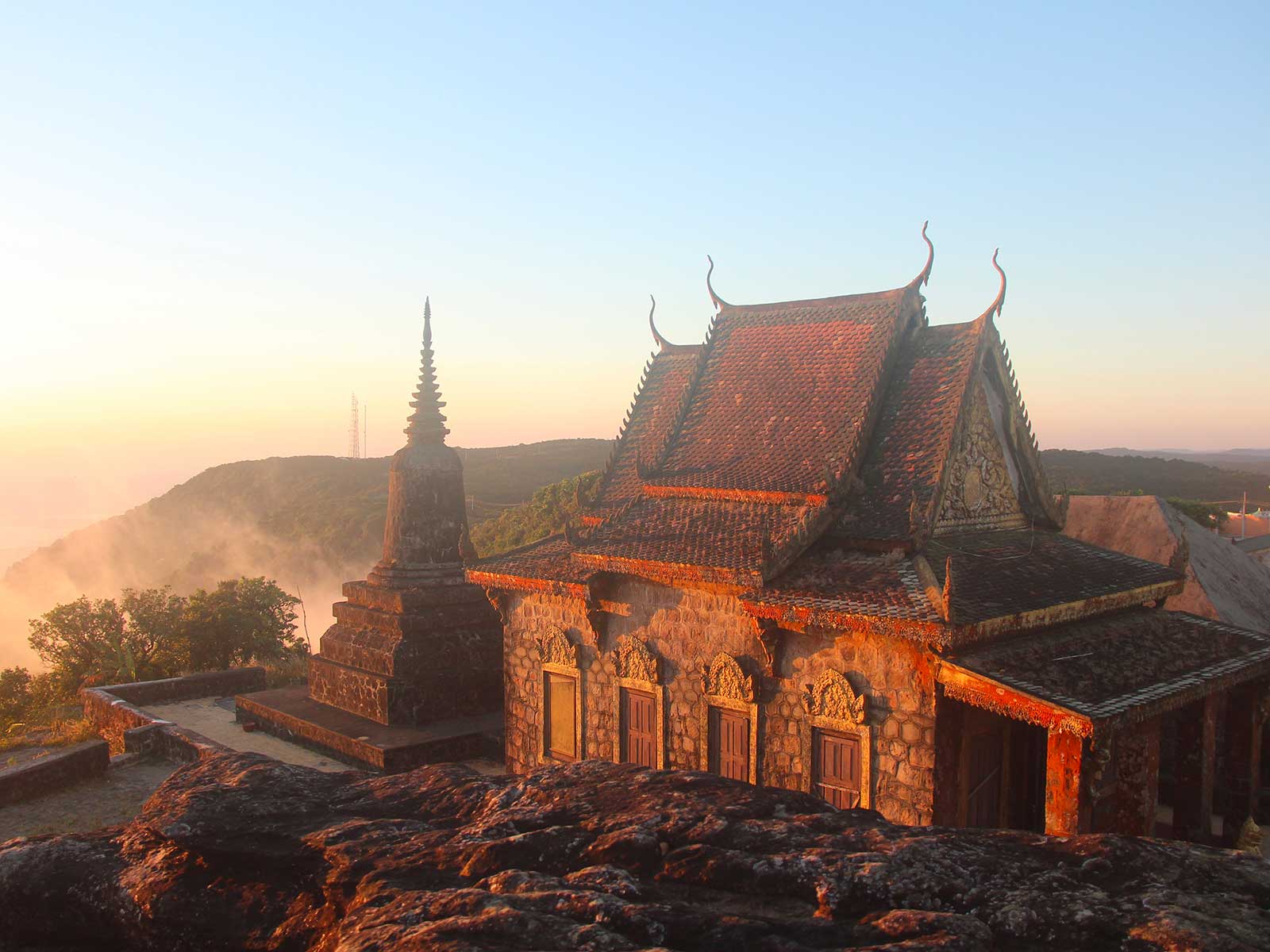
Phnom Kulen, or Kulen Mountain, is considered the most sacred mountain in Cambodia and is a popular pilgrimage site. A day trip here offers a blend of natural beauty, ancient history, and spiritual significance.
Highlights include:
- The River of 1000 Lingas (Kbal Spean):A unique site where Hindu carvings, including hundreds of lingas (phallic symbols of Shiva), are etched into the sandstone riverbed, believed to fertilize the waters flowing to Angkor Wat.
- Kulen Waterfall:A beautiful two-tiered waterfall where visitors can swim in the natural pools below, offering a refreshing break from the heat.
- Preah Ang Thom Pagoda:Home to a giant reclining Buddha carved into a massive sandstone boulder, offering panoramic views of the surrounding jungle.
The journey up the mountain winds through lush forests, making the drive itself part of the adventure. It's a fantastic escape into nature and a deeper understanding of Cambodian spiritual beliefs.
Beng Mealea: The Jungle Temple
For those seeking a true Indiana Jones experience, Beng Mealea delivers. This sprawling 12th-century temple lies largely unrestored, consumed by the jungle. Gigantic trees sprout from its crumbling towers, and moss-covered stones lie scattered in chaotic piles, offering a dramatic contrast to the meticulously restored temples of Angkor Wat.
Travel Tip:Beng Mealea provides an incredible opportunity for photography, with its interplay of ancient stonework and encroaching nature. Be sure to wear sturdy shoes as you'll be navigating uneven terrain.
Walking through Beng Mealea involves climbing over rubble, navigating narrow passages, and admiring the intricate carvings that hint at its former glory. It's a captivating site that evokes a strong sense of discovery and adventure.
Koh Ker: The Pyramid Temple
Located further north, Koh Ker was briefly the capital of the Khmer Empire in the 10th century. Its most striking feature is Prasat Thom, a seven-tiered pyramid temple that rises dramatically from the jungle floor, reminiscent of ancient Mayan structures.
This remote site offers a collection of diverse temples and shrines, many of which are still being reclaimed from the jungle. Due to its distance, Koh Ker sees fewer visitors than other sites, providing a more tranquil and immersive experience. It's often combined with a visit to Beng Mealea for a full day out.
Banteay Srei: The Citadel of Women
Although technically part of the larger Angkor Wat complex, Banteay Srei is located about 37 kilometers north of Siem Reap and warrants a dedicated mention as a distinct half-day trip. Known as the "Citadel of Women" or "Temple of Pink Ladies," this exquisite 10th-century Hindu temple is renowned for its incredibly intricate and well-preserved carvings in pink sandstone.
The delicate artistry and miniature scale of the temple set it apart from the grandiosity of other Angkor Wat structures. The carvings depict scenes from Hindu mythology with stunning detail, making it a true masterpiece of Khmer art.
Cultural Insights and Community Engagement
Cambodian Landmine Museum & APOPO Visitor Centre
For a poignant and educational experience, visit the Cambodian Landmine Museum, founded by Aki Ra, a former child soldier who now dedicates his life to clearing landmines. The museum offers a sobering look at Cambodia's tragic past and the ongoing efforts to make the country safe.
Nearby, the APOPO Visitor Centre showcases the incredible work of "hero rats" trained to detect landmines and tuberculosis. Both sites offer profound insights into the resilience of the Cambodian people and the challenges they continue to overcome.
Artisans Angkor and Silk Farm
Discover Cambodia's vibrant artistic heritage with a visit to Artisans Angkor. This organization helps revive traditional Khmer arts and crafts, providing training and employment to young Cambodians. You can observe artisans at work, crafting everything from stone carvings and lacquering to silk painting and silverwork.
For a deeper dive into silk production, head to the Angkor Silk Farm. Here, you can learn about the entire process, from silkworm cultivation and thread extraction to the intricate weaving of beautiful Cambodian silk textiles. It’s a fascinating glimpse into a traditional industry.
Phare, The Cambodian Circus
While an evening activity, Phare, The Cambodian Circus, is often considered a highlight of any Siem Reap itinerary and can be easily combined with a day trip. More than just a circus, Phare offers a unique blend of theater, music, dance, and acrobatics, telling Cambodian stories through performance art. It also supports education and vocational training for disadvantaged youth.
Practical Tips for Your Day Trips
- Transportation:
- Tuk-tuk:Ideal for shorter distances like Tonlé Sap Lake or Banteay Srei. Negotiate a full-day rate with your driver.
- Taxi/Car with Driver:Recommended for longer trips like Phnom Kulen, Beng Mealea, or Koh Ker, offering comfort and air conditioning.
- Motorbike/Scooter:Only for experienced riders and with proper licensing, as roads can be challenging.
- Booking Tours:Many hotels and guesthouses can arrange private drivers or group tours. You can also book through reputable tour operators in Siem Reap.
- What to Bring:
- Water:Essential to stay hydrated in the Cambodian heat.
- Sun Protection:Hat, sunglasses, and high-SPF sunscreen.
- Insect Repellent:Especially for jungle temples and rural areas.
- Comfortable Shoes:For walking over uneven terrain at temple sites.
- Modest Clothing:Especially for visiting pagodas or sacred sites (shoulders and knees covered).
- Respect Local Culture:Always ask permission before taking photos of people, and be mindful of local customs.
Conclusion
Siem Reap is far more than just a gateway to Angkor Wat. By dedicating a day or two to explore beyond the main temples, you'll uncover a rich tapestry of natural beauty, ancient history, and vibrant Cambodian culture. These day trips offer a chance to connect with the heart of Cambodia, creating memories that extend far beyond the iconic spires of Angkor.