
How to Get from Cotonou to Pendjari National Park
Embarking on a journey from Benin's bustling economic capital, Cotonou, to the pristine wilderness of Pendjari National Park is an adventure that promises unforgettable wildlife encounters. While the distance is significant, spanning the length of the country, careful planning ensures a smooth and rewarding expedition to one of West Africa's best safari destinations.
Pendjari National Park, a UNESCO World Heritage Site and part of the W-Arly-Pendjari (WAP) Complex, is a jewel in Benin's crown, offering a rare glimpse into diverse ecosystems and a rich array of wildlife. From elephants and lions to various antelope species and a vibrant birdlife, the park is a testament to successful conservation efforts. Reaching this remote paradise requires a multi-stage journey, primarily overland, traversing diverse landscapes and local cultures.
The Journey's First Leg: Cotonou to Northern Benin
The vast majority of the journey from Cotonou to Pendjari National Park involves traveling north to cities like Natitingou or Tanguiéta, which serve as key gateways to the park. This leg covers approximately 600-700 kilometers and can take anywhere from 10 to 14 hours, depending on your chosen mode of transport and road conditions. Most travelers opt to break this journey with an overnight stop.
Option 1: Public Transport (Bush Taxis & Minibuses)
This is the most authentic and budget-friendly way to travel across Benin. Bush taxis (taxi-brousse) and shared minibuses depart from various motor parks (gares routières) in Cotonou, typically heading towards Natitingou, the largest town in the Atacora region. While economical, be prepared for a long journey with multiple stops, potential delays, and a less comfortable ride.
- Departure Points:In Cotonou, ask for the "Gare du Nord" or specific parks serving northern routes. Locals can direct you.
- Process:Vehicles usually depart once full. Arrive early in the morning for the best chance of getting a seat and completing a significant portion of the journey during daylight hours.
- Comfort:Expect vehicles to be packed, often beyond their intended capacity. Luggage is usually tied to the roof.
- Duration:The drive to Natitingou can take 12-15 hours, often necessitating an overnight stay along the way or a very early start.
Option 2: Private Car or Hired Driver
For those prioritizing comfort, flexibility, and directness, hiring a private car with a driver is an excellent choice. This allows for stops as needed, greater control over your schedule, and a more relaxed journey. Many tour operators in Cotonou can arrange this, or you can find independent drivers.
- Benefits:Door-to-door service, air conditioning (if available), personal space, and the ability to choose your departure time.
- Vehicles:Look for a reliable sedan or SUV, especially one with good suspension for varying road conditions.
- Logistics:Discuss the itinerary, potential overnight stops, and what's included in the service (e.g., fuel, driver's accommodation if applicable) beforehand.
- Cost:This is significantly more expensive than public transport but offers a premium travel experience.
Overnight Stop: Natitingou or Tanguiéta
Given the long distances, an overnight stop is highly recommended. Natitingou is the most common choice, offering a range of accommodation options, restaurants, and a lively market. Tanguiéta, a smaller town located closer to the park entrance, is another practical alternative, allowing for an earlier start to your safari adventure the next day.
Tip:Natitingou is also known for its picturesque Tata Somba houses nearby, unique fortified mud dwellings that are a fascinating cultural side-trip if you have extra time.
The Final Stretch: From Gateway Towns to Pendjari National Park
Once you've reached Natitingou or Tanguiéta, you are relatively close to the park entrance. However, this final leg requires a specific type of vehicle, ideally a 4x4, especially during the rainy season or for navigating the park's internal tracks.
Option 1: Arranging a Safari Vehicle and Guide
This is the most common and recommended method for park entry and exploration. Most visitors arrange their safari vehicle and guide through their accommodation in Natitingou or Tanguiéta, or directly with a reputable tour operator.
- Park Regulations:It is mandatory to enter Pendjari National Park with a registered guide. These guides are invaluable for spotting wildlife and navigating the park's vast terrain.
- Vehicle Type:A 4x4 vehicle is essential for navigating the park's unpaved roads and tracks, especially for optimal wildlife viewing.
- Booking:It's advisable to book your safari vehicle and guide in advance, particularly during peak dry season (November to March), to ensure availability.
- From Natitingou:The drive to the park entrance (Arly Gate) is approximately 1.5-2 hours.
- From Tanguiéta:Tanguiéta is closer, with the drive to the park entrance taking about 30-45 minutes.
Option 2: Self-Driving to the Park
While possible, self-driving to Pendjari National Park and within it requires careful consideration. You will still need to hire a park guide at the entrance.
- Vehicle Requirements:A robust 4x4 vehicle is absolutely necessary.
- Local Knowledge:Be aware that road signs are minimal, and GPS can be unreliable in remote areas. Local knowledge from a guide is crucial for safety and effective wildlife tracking.
- Permits:Ensure you understand all park entry fees and regulations before arriving.
- Safety:Always inform park authorities of your planned routes and expected return times.
Essential Travel Tips for Your Pendjari Journey
- Best Time to Visit:The dry season (November to March) is ideal for wildlife viewing as animals congregate around water sources, and roads are more accessible. The wet season (April to October) offers lush landscapes but challenging road conditions and denser vegetation, making wildlife spotting harder.
- Health Precautions:Consult your doctor about necessary vaccinations (Yellow Fever is often required) and malaria prophylaxis. Carry insect repellent and practice mosquito avoidance.
- What to Pack:Light, neutral-colored clothing for safaris, sun hat, sunglasses, high-factor sunscreen, sturdy walking shoes, binoculars, camera with zoom lens, power bank, basic first-aid kit, and sufficient bottled water.
- Currency:The local currency is the West African CFA franc (XOF). Ensure you have enough cash for park fees, guide services, and local purchases, as ATMs are scarce outside major towns.
- Language:French is the official language. Learning a few basic phrases will be helpful.
- Accommodation in Pendjari:There are lodges within the park offering comfortable stays, often including meal plans and organized game drives. Booking these well in advance is crucial.
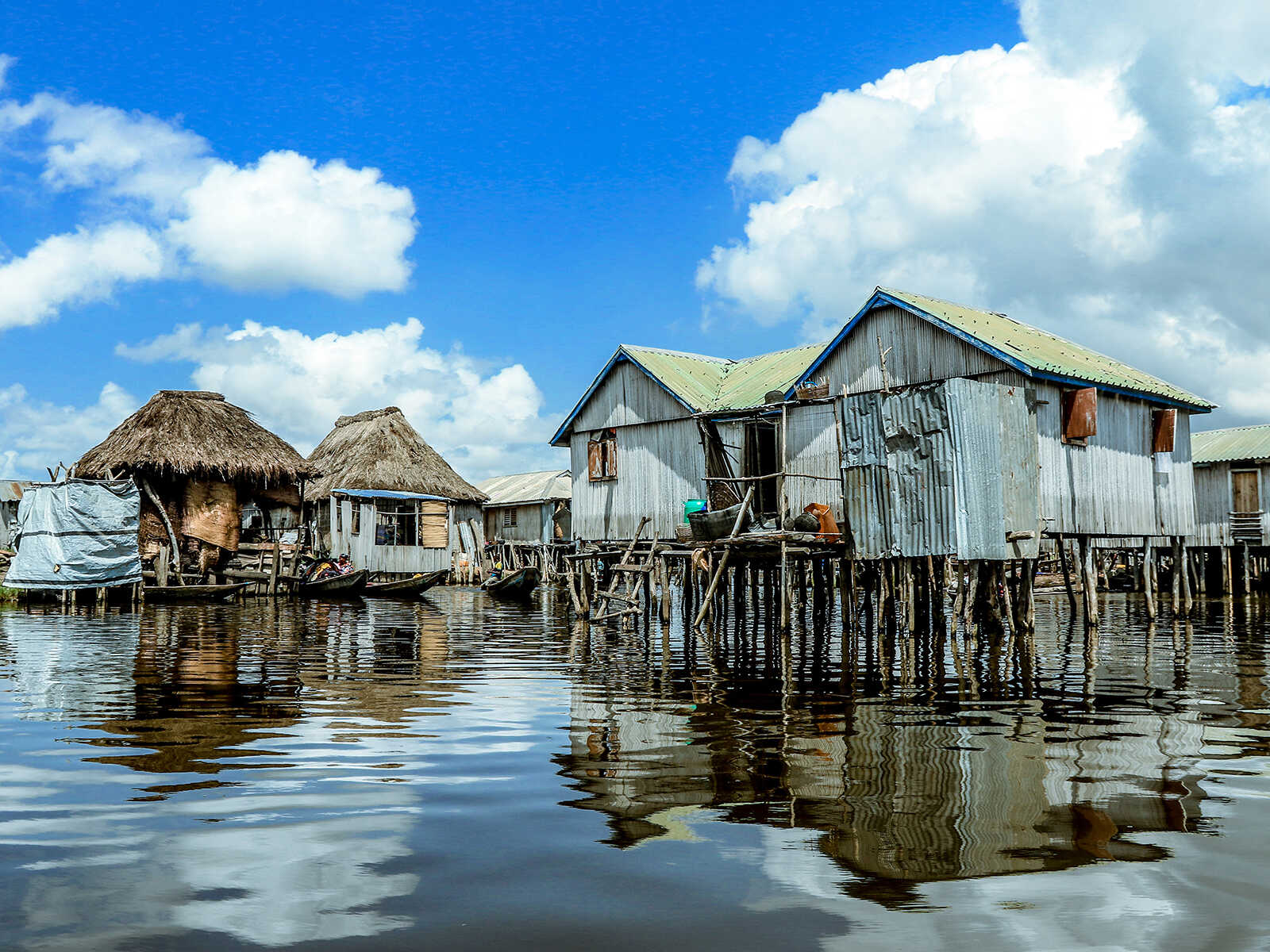
- Beyond Pendjari:While in Benin, consider exploring other fascinating sites like the historical Royal Palaces of Abomey, the unique stilt village of Ganvie, or the poignant Porte Du Non Retour in Ouidah. Each offers a different perspective on Benin's rich heritage.
Making the Most of Your Pendjari Experience
Once you arrive at Pendjari National Park, the adventure truly begins. Dedicate at least two to three full days to explore its diverse ecosystems. Early morning and late afternoon game drives offer the best chances for wildlife sightings, particularly for predators. Your guide will be key to unlocking the park's secrets, sharing insights into animal behavior and the local environment.
The journey from Cotonou to Pendjari is an integral part of the adventure, offering a chance to witness the vastness and beauty of Benin. While it requires patience and preparation, the reward of experiencing one of West Africa's last great wildernesses makes every kilometer worthwhile.